Affiliate disclosure: This post contains affiliate links. If you buy through them, GothicMood earns a small commission at no extra cost to you.
When someone died in a Victorian home, the family covered the mirrors, stopped the clocks, and carried the body out feet first.
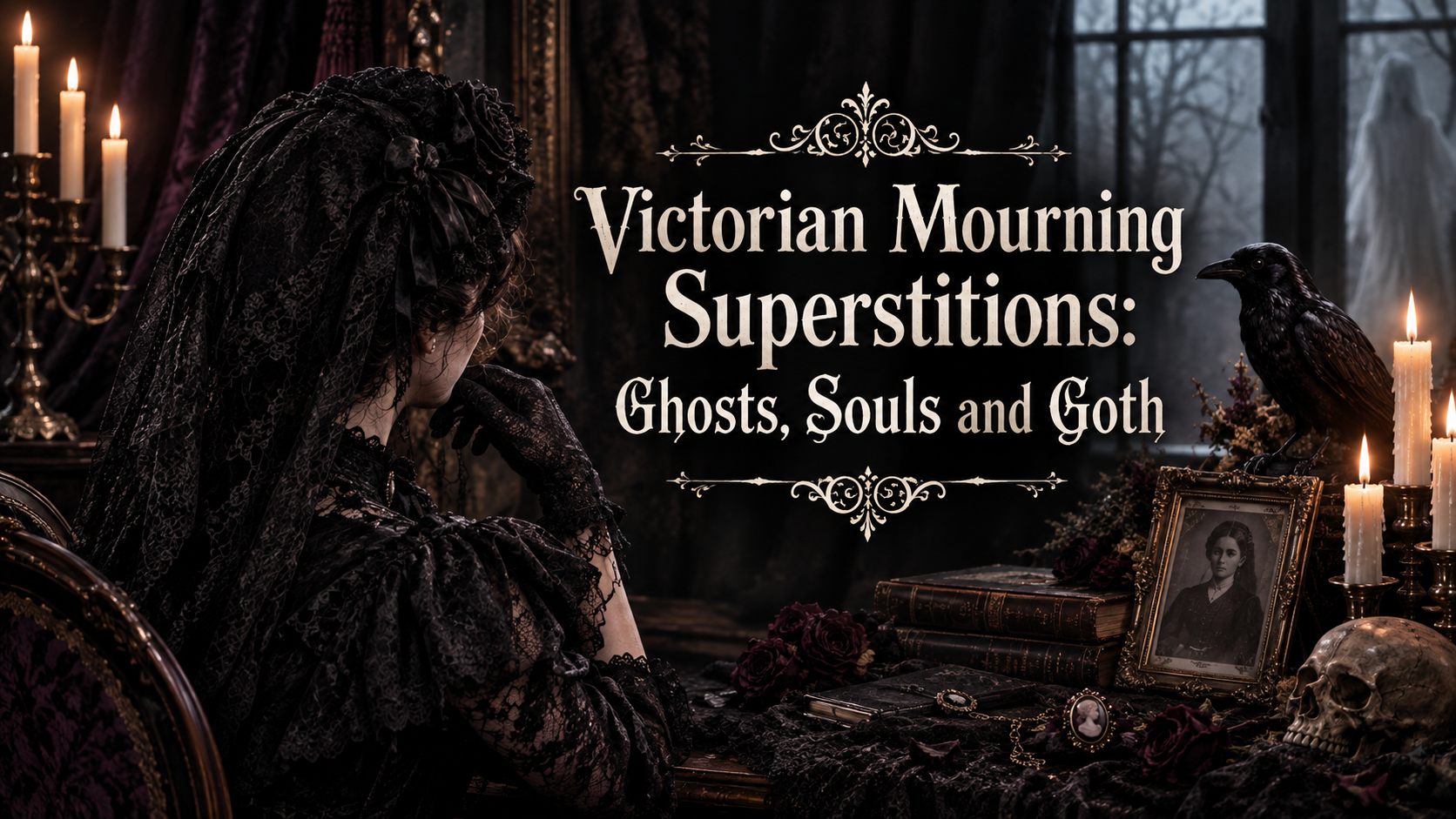
These Victorian mourning superstitions look theatrical now. For the people who followed them, they were practical, because a soul that lingered could cause trouble.
Goth culture inherited a lot from that world. The black clothes, the lockets, the candlelit rooms and the love of a good ghost story all have roots there.
This guide covers what people believed about souls and ghosts, how the séance craze took off, and how you can borrow the best parts for your own space.
You will find the history first, then five small rituals to try this week, a short reading list and a shopping guide.
What Victorian families did when someone died
Death happened at home, and the household followed a script.
A wreath of laurel or boxwood, tied with black crape, hung on the front door.
Passersby knew without a word. Relatives stayed with the body until burial, which is where the custom of the wake comes from.
Then came the rules that protected the living from the dead.
| Custom | What families did | What it meant |
| Covering mirrors | Draped them in black crape or veiling, or turned them to the wall | The spirit could get trapped in the glass |
| Stopping clocks | Halted every clock in the house | Marked the exact time of death |
| Carrying the body out feet first | Moved the dead through the front door with the feet leading | The spirit could not look back and beckon the living to follow |
| Closing windows and curtains | Shut the house tight until the funeral | The soul would not leave before the service |
| Hanging a wreath on the door | Tied laurel or boxwood with black crape | Warned neighbors that a death had occurred |
Not every family believed every rule. Still, the logic pointed one way. The dead person needed to find the road to the afterlife, and the living needed protection while the spirit left.
Victorians also argued about what came next. Scientists, clergy and ordinary people clashed over the afterlife, and that argument fed a wave of folklore and superstition.
Mourning clothes: grief as a dress code
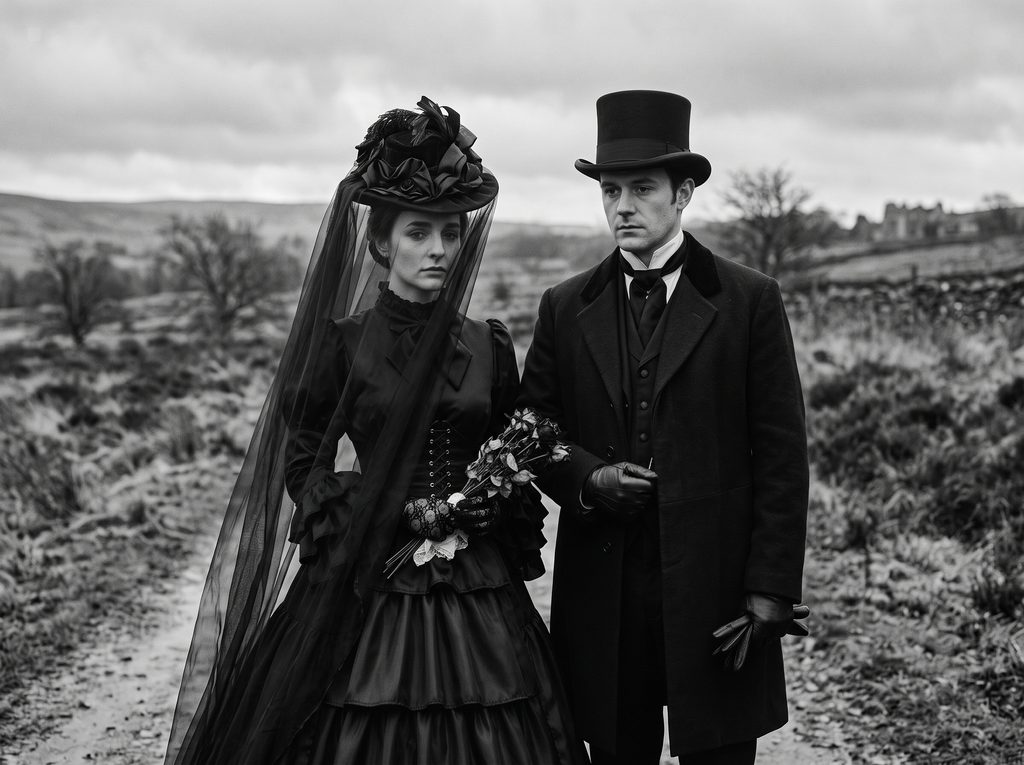
Prince Albert died in 1861. Queen Victoria wore black for the rest of her life, and public mourning rituals caught on fast.
The rules for widows ran long. A widow wore a bonnet with a heavy crape veil over her face for the first three months. She then wore the veil pushed back for another nine. Deep mourning could last up to two years.
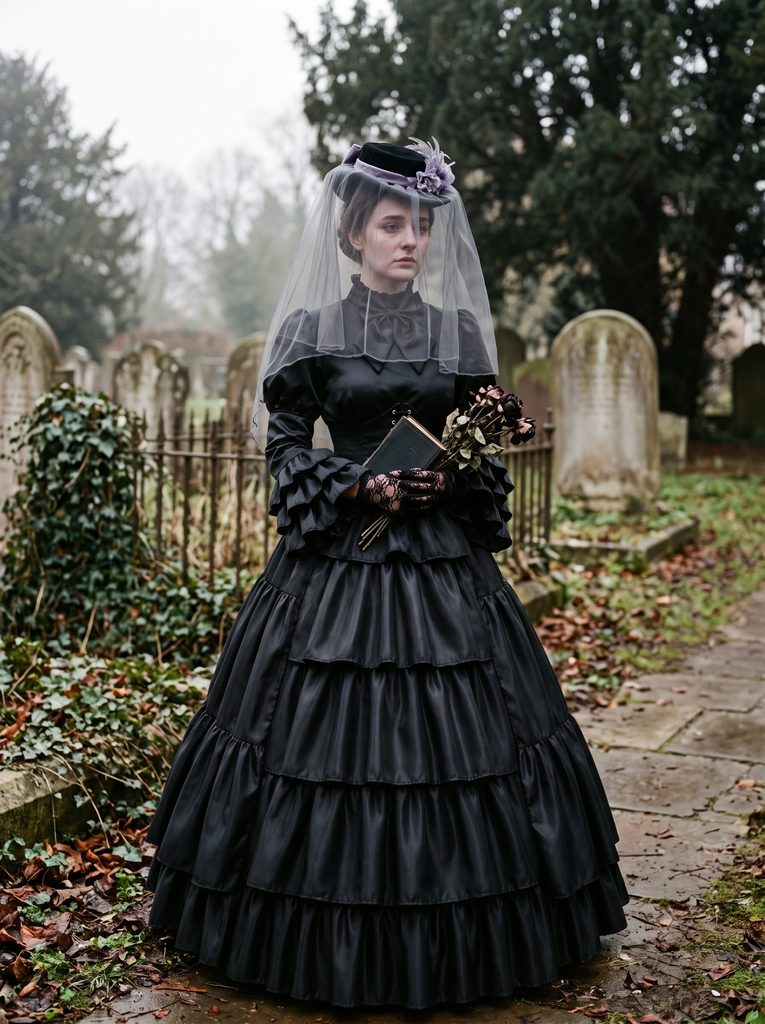
After that came half-mourning. Mourners could add grey, lavender or mauve and ease back toward ordinary life.
The fabric mattered too. Crape had a deliberately dull finish that absorbed light instead of reflecting it. That flat, heavy black is the ancestor of the velvet and lace you see in modern goth wardrobes.
If you want the silhouette without the two-year rulebook, our guide to Victorian goth dresses shows how to build the look.
Mourning jewelry carried its own code. A pearl marked the death of a child. White enamel meant the dead woman had never married. Every piece told a story to anyone who knew how to read it.
When the dead started talking back
On March 31, 1848, two young sisters in Hydesville, New York, said they had contacted a spirit through rapping sounds in their house. They named the ghost as a peddler murdered there five years earlier.
Their séances grew into a national tour, and Spiritualism spread across the United States. Telegraphs had started sending messages down wires only four years before. People who could receive words from far away began to wonder about messages from farther.
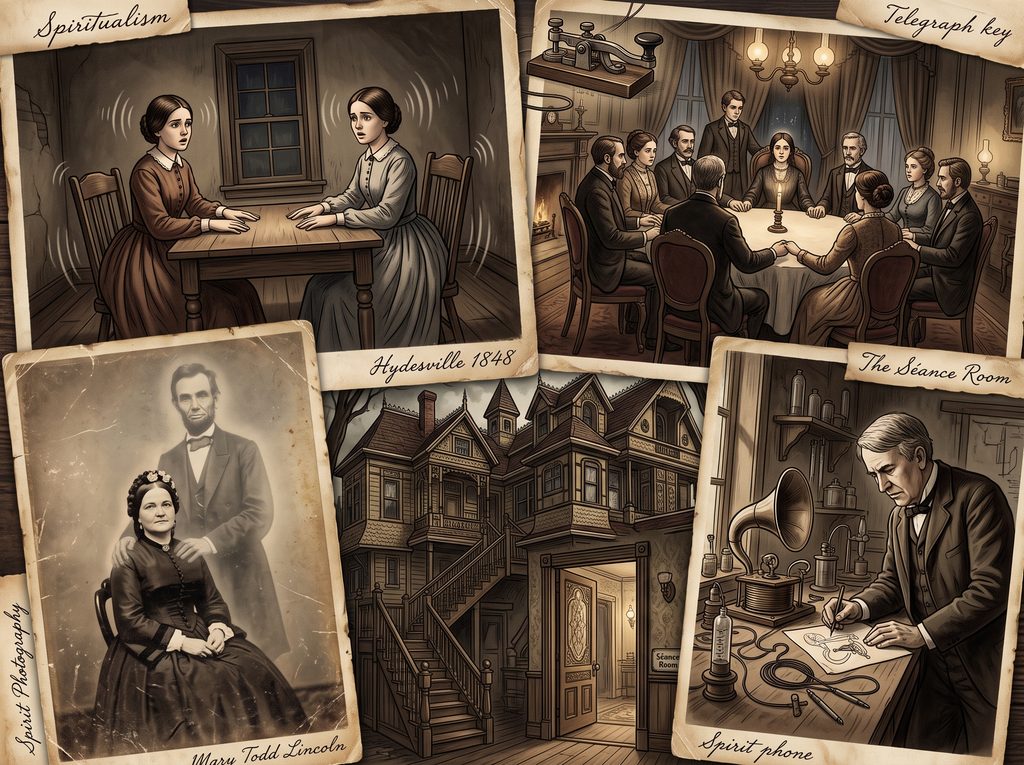
The movement lost some shine in 1888, when one of the Fox sisters admitted the raps came from cracking joints. By then it did not matter. Spiritualism already had its followers, and estimates put them at more than 12 million.
Photography added a visual layer. In 1861, a Boston engraver named William Mumler took a self-portrait and found another figure in the developed image. Spirit photography took off. Mumler charged as much as ten dollars and guaranteed results.
In 1869 he faced fraud charges and walked free. One of his most famous sitters was Mary Todd Lincoln. The print shows what looks like Abraham Lincoln standing behind her.
Even Thomas Edison joined in. He sketched out a plan for a spirit phone that could reach the other side.
If you want to see where this séance culture ended up, look at the Winchester Mystery House. Our Winchester Mystery House guide covers the tickets, the tours and the stories behind the famous seance room.
The Ouija board: a parlor game with a reputation
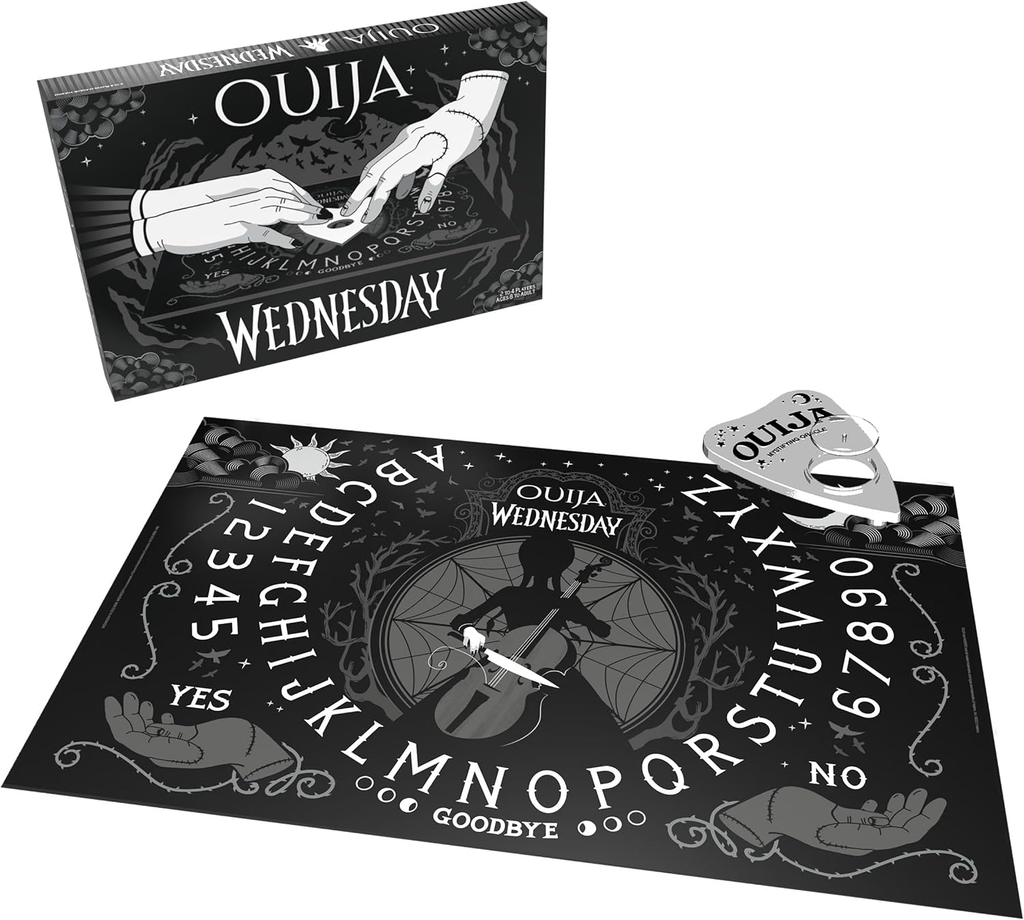
Elijah Bond patented the Ouija board on February 10, 1891, under patent number 446,054. The patent office filed it under toys and games.
His business partner Charles Kennard said the name came from an ancient Egyptian word for good luck. The next owner, William Fuld, told a different story about the name. Hasbro has held the rights since it bought Parker Brothers in 1991.
Before the board picked up its dark reputation, people played it as a simple parlor game. Skeptics still compare its mechanics to pendulum divination.
Treat it as a prop with history. A talking board looks striking on a wall or at the center of a game night.
Ghosts as unfinished grief
Modern readers often treat ghost stories as stories about loss. The Welcome to Gothic Land podcast (Alice in Gothic Land) describes the ghost as what appears when a loss never got named or mourned. It ties that idea to Carl Jung’s Shadow, the part of the psyche we push out of sight.
Scholars make a related point. The essay collection Ghosts and the Gothic, edited by Ruth Heholt and Joanne Ella Parsons, argues that ghosts sit at the center of the Gothic and drag hidden truths into the open.
That reading explains why Victorian customs still feel familiar. Covering a mirror, wearing black and keeping a locket all give grief a shape. Goths never stopped valuing that.
Five ways to bring this into your space
1. Build a remembrance shelf
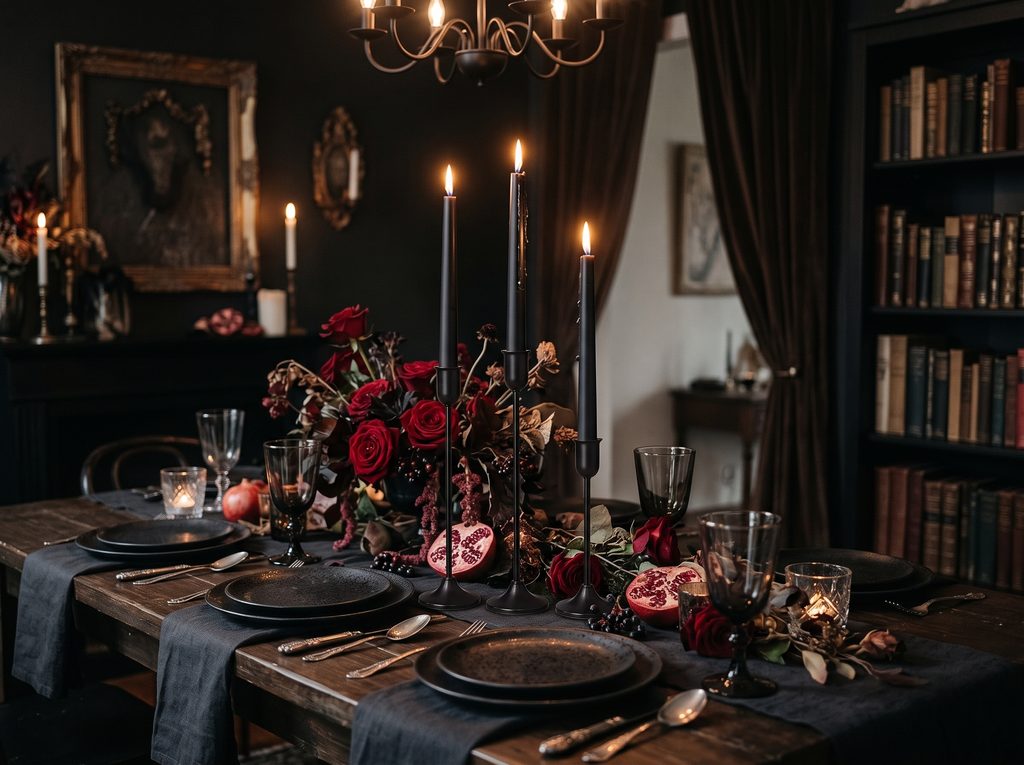
Pick one shelf. Add a photo of someone you miss, a candle and one small object that belonged to them. Light the candle when you think of them, and never leave it burning unattended.
Shop | Black Taper Candles and Holder
2. Wear a locket
A locket holds a tiny photo or a lock of hair, and it fits the Victorian tradition perfectly. Choose a pearl for a child, white enamel for a young woman, or plain black for everyone else.
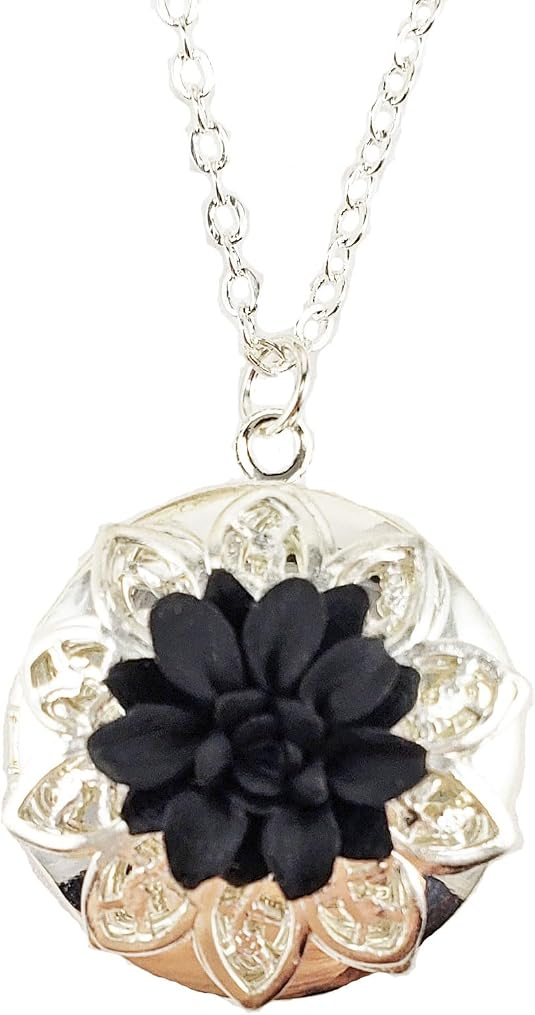
Shop | Victorian-style Mourning Locket
3. Write letters to the dead
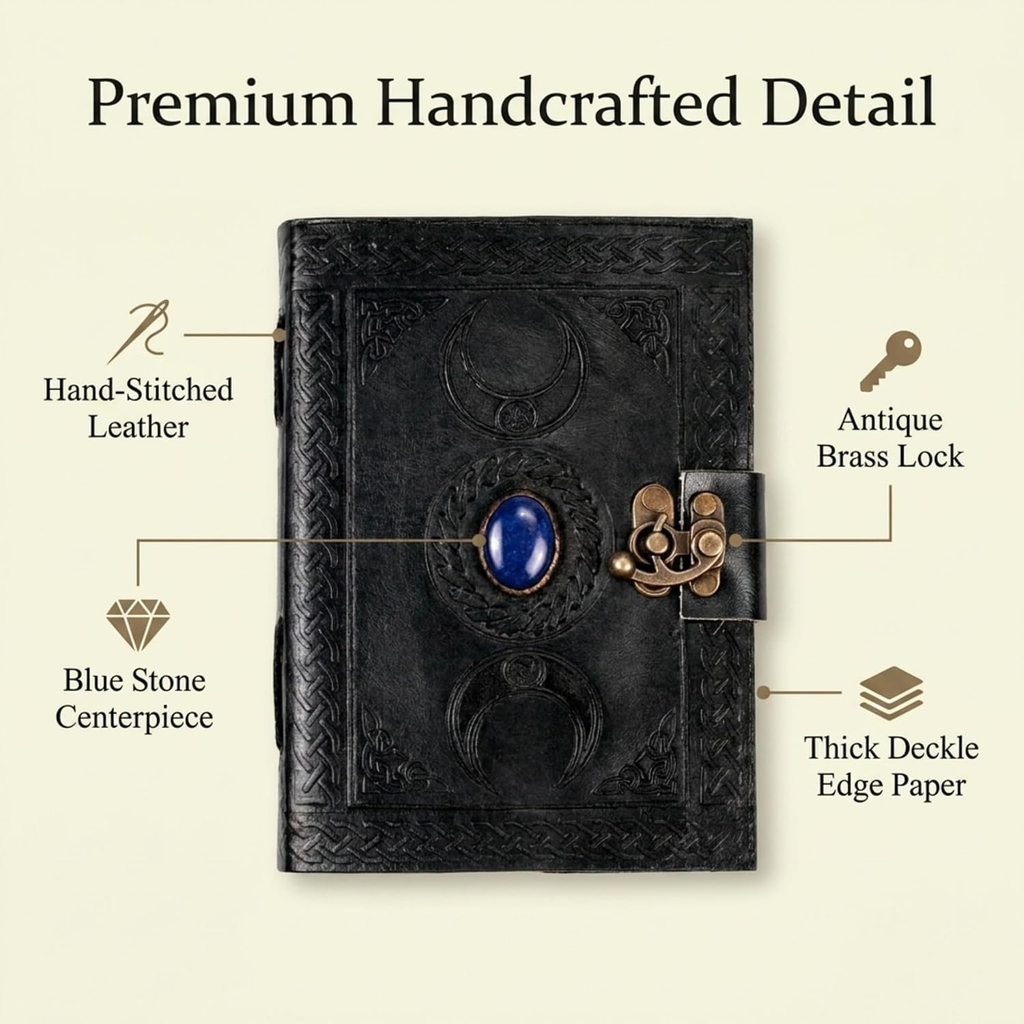
Keep a journal for the people you cannot call anymore. Write what happened this week. Nobody has to read it.
4. Try half-mourning colors
Black gets all the attention, but the Victorians saved a quieter palette for the last stage of grief. Grey, lavender and mauve look striking against black lace. Try one of them as an accent.
5. Host a ghost story night
Victorians loved telling ghost stories at Christmas, and Charles Dickens helped revive the habit with A Christmas Carol in 1843. Turn off the lights, pass around a book and read aloud. Short stories work best.

Three books that treat ghosts differently
Each of these picks gives you a different reason to open it.
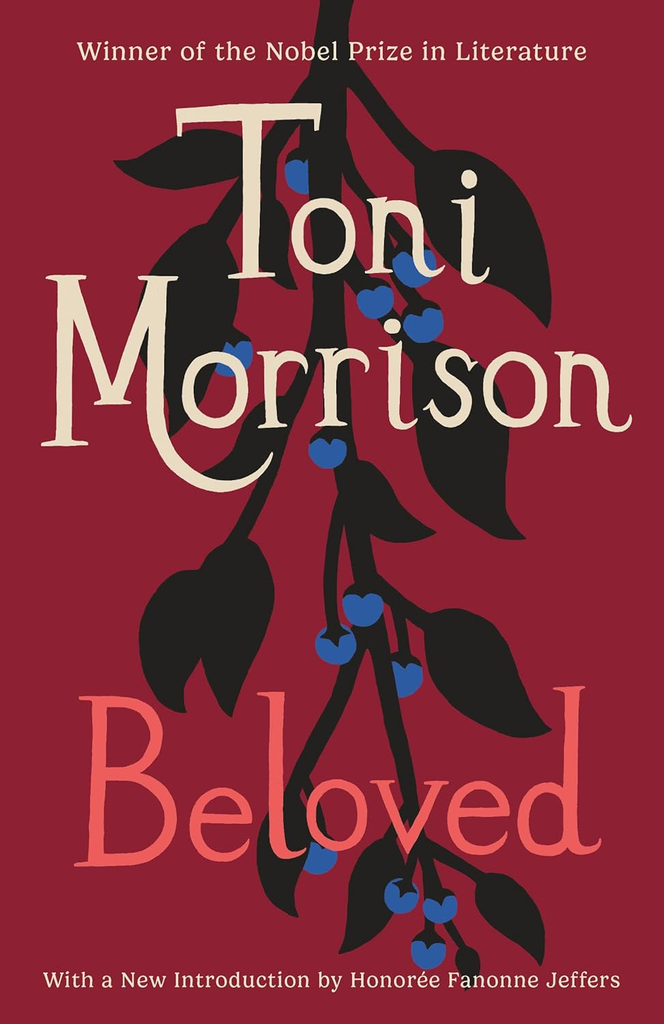
Beloved by Toni Morrison treats the ghost as inherited pain. Morrison ranks among the leading figures of the modern Gothic, and this novel shows why.
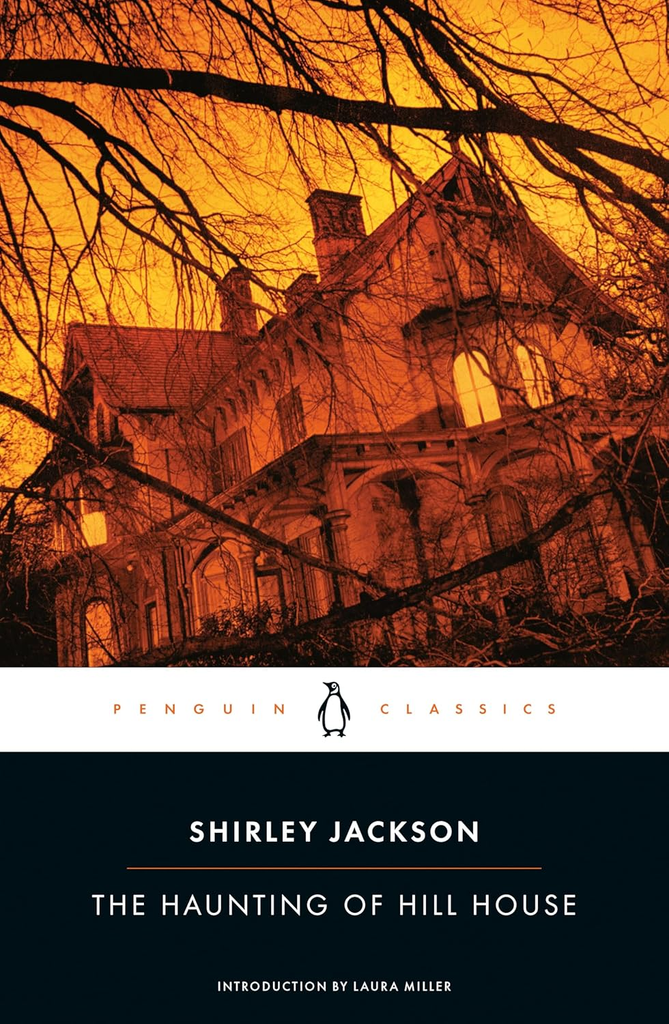
The Haunting of Hill House by Shirley Jackson keeps its ghosts ambiguous. The 1963 film adaptation by Robert Wise never shows a single ghost on screen, and you can find it in our list of gothic horror movies for Halloween.
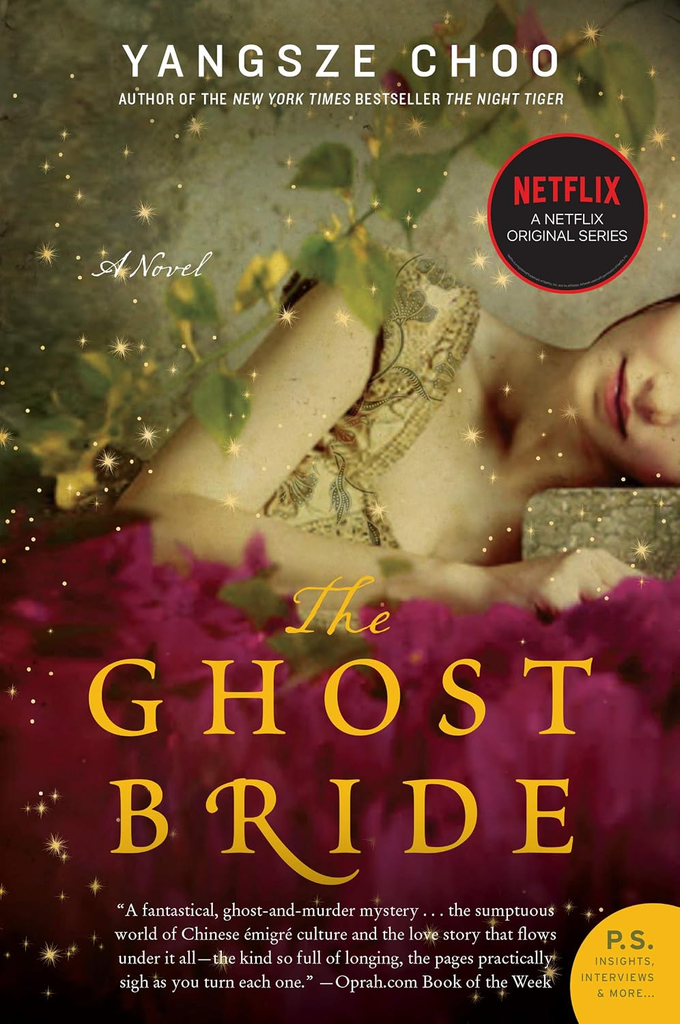
The Ghost Bride by Yangsze Choo is a debut novel about ghost marriages, a rare cultural practice. Pick it up if you want romance, history and a heroine who has to deal with a dead suitor.
Quick shopping guide
| Item | Pick it if you | Style note |
| Mourning locket | want one piece you will wear daily | Choose pearl, white enamel or black to match the old codes |
| Taper candles and holder | want a shelf that feels like a small shrine | Black wax looks best against pale walls |
| Leather journal | prefer private ritual over display | Keeps the letters out of sight |
| Vintage-style talking board | host game nights and love wall art with a story | Hang it or lean it on a mantel |
| Ghost story paperbacks | want a cheap way to start tonight | Stack three on the nightstand |
FAQ
Did Victorians really cover their mirrors?
Yes. Families draped them in black crape or veiling. Some turned them to the wall. The goal was to keep the dead person’s spirit from getting trapped in the glass.
What is half-mourning?
Half-mourning was the later stage of grief, when mourners could wear grey, lavender or mauve. It marked a slow return to ordinary life.
How many people followed Spiritualism?
Estimates put the movement at more than 12 million followers. It started with two sisters in a small New York town in 1848.
Did the Fox sisters fake their séances?
In 1888, one of the Fox sisters admitted the rapping sounds came from cracking joints. Plenty of believers kept the faith anyway.
Your next step
Pick one ritual from the list and try it this week. Start with the remembrance shelf, because it takes ten minutes. Then tell us in the comments which one you chose, and share the Victorian custom that surprised you most.