

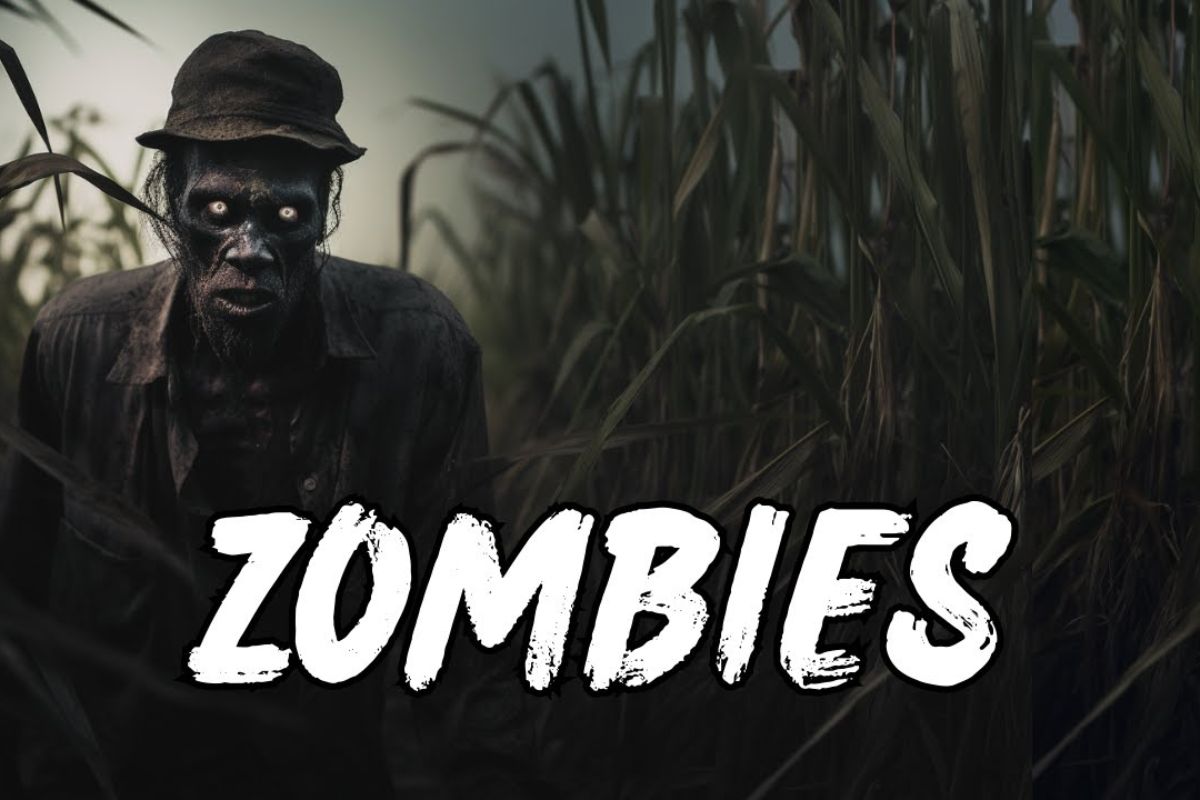
Shuffling corpses dominate our screens, while undead hordes overrun movies, TV shows, and video games. American zombies have become an inescapable pop culture horror phenomenon, symbolizing pandemics, social collapse, and loss of humanity. But where did this obsession truly begin? The answer lies far from Hollywood—in Haiti, where Haitian zombie folklore emerged from Vodou beliefs, colonial trauma, and the fear of spiritual enslavement. These early zombies were never flesh-eating monsters, but living humans stripped of free will, reflecting the brutal realities of slavery and colonial oppression.
This journey from Haitian folklore to American zombie horror exposes uncomfortable truths about cultural appropriation, colonial fear narratives, and Western commodification. As the concept crossed into American pop culture, its spiritual significance was erased and reshaped into profitable entertainment, fueling a billion-dollar horror industry. By understanding the origin of zombies, we uncover how America transformed cultural trauma into spectacle, replacing sacred meaning with violence, consumption, and fear—while silencing the voices from which the myth was born.
Origins of the Zombie in Haitian Folklore
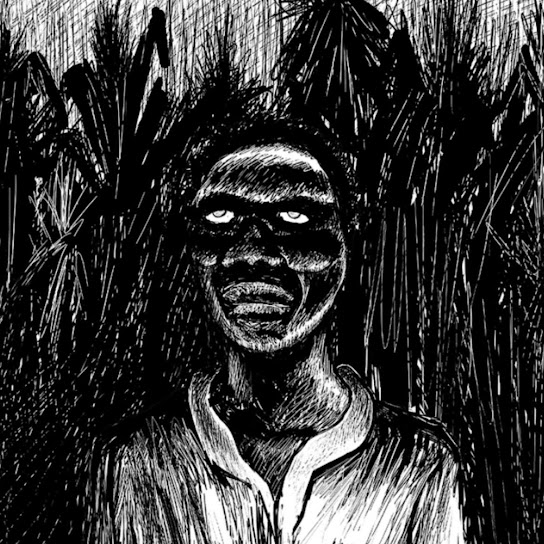
Haitian Vodou beliefs gave birth to the zonbi, a concept vastly different from modern zombie mythology. Within Haitian spiritual traditions, the zonbi represented a corpse reanimated through sorcery, stripped of will and consciousness. This wasn’t mere superstition—it reflected the anthropology of zombies rooted in African-Caribbean syncretism. The bokor zombie myth centered on malevolent priests who could capture the Ti Bon Ange, or soul essence, condemning victims to eternal servitude. Traditional zombie beliefs positioned these beings as cautionary tales, warning against spiritual vulnerability and social transgressions within tightly-knit communities.
The cultural history of zombies in Haiti carries profound symbolic weight beyond simple horror. Zombies and slavery metaphor connections run deep—the ultimate oppression meant losing autonomy even after death. Plantation labor under French colonialism created conditions where zombies and loss of identity became terrifyingly relevant. Folklore vs Hollywood zombies differs drastically because Haitian zonbi embodied spiritual enslavement, not cannibalistic hunger. These folklore creatures served as moral warnings, reminding communities that death offered no escape from exploitation. The zombie folklore explained reveals how colonized people processed generational trauma through supernatural enslavement narratives.
The Role of Vodou, Bokors, and Spiritual Control
Bokors function as controversial figures within Vodou zombies explained frameworks—practitioners who walk the boundary between healing and harm. Unlike houngans, the benevolent priests, bokors allegedly possess knowledge to create zonbi through toxic preparations. Ethnobotanist Wade Davis documented how tetrodotoxin from puffer fish might induce death-like states, though his research remains disputed. The religious origins of zombies intertwine with genuine pharmaceutical possibilities, blurring zombie myth vs reality. Cultural symbols surrounding bokors reflect community fears about unchecked power and spiritual violation.
Western writers weaponized these misunderstood practices into racist entertainment. William Seabrook’s The Magic Island (1929) sensationalized Haitian culture for white audiences hungry for exotic thrills. His accounts portrayed Vodou as primitive sorcery rather than sophisticated religious practice. This colonial narratives in zombie films foundation established American fear narratives that persist today. The Western distortion of folklore erased spiritual complexity, replacing sacred belief systems with “savage” caricatures designed to justify continued intervention in Haiti.
How Zombies Entered American Consciousness
America’s military occupation of Haiti (1915–1934) sparked zombie fascination through soldier accounts and journalist exploitation. Marines stationed in Port-au-Prince brought home forbidden tales of nocturnal ceremonies and reanimated corpses. These stories fed existing zombies and colonialism narratives, positioning Haiti as a mysterious land requiring civilizing forces. Where did zombies come from became a question filtered through imperial propaganda rather than cultural respect. Travel writers capitalized on this appetite, producing sensational features that transformed Haitian zombie folklore into pulp commodities.
Journalists deliberately framed these accounts to emphasize racial othering and exotic danger. Magazine spreads featured dramatic illustrations of drum-beating ceremonies and mindless servants. This media barrage established undead in American culture as inherently foreign and threatening. The zombie history timeline shows how quickly sacred beliefs became entertainment products divorced from their origins. Cultural appropriation in horror began here, setting precedents that Hollywood would amplify for decades. These early distortions shaped what is a zombie in folklore versus commercial fiction.
Early Zombie Films and Racist Stereotypes in Hollywood
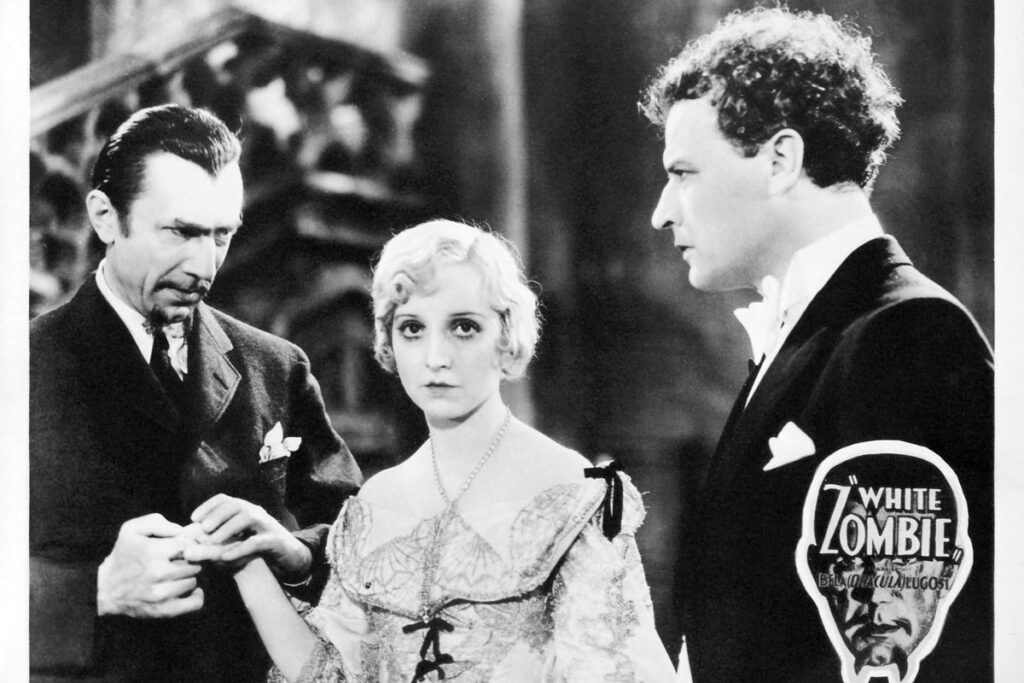
White Zombie (1932) starring Bela Lugosi inaugurated American zombie movies while perpetuating damaging stereotypes. The film cast Haitian characters as mindless plantation servants controlled by a white villain, reinforcing colonial power fantasies. Famous zombie films from this era consistently positioned Vodou as evil witchcraft rather than legitimate spirituality. The zombie horror genre was born through representation of Vodou in media that prioritized white savior narratives over cultural accuracy. These classic zombies vs modern zombies differ tremendously, yet early racism embedded itself deeply.
Subsequent 1940s productions like I Walked with a Zombie (1943) doubled down on plantation nostalgia and primitive imagery. Drums and torchlight ceremonies became visual shorthand for danger in zombie apocalypse movies of that period. Zombie stereotypes in media hardened into formulas that misrepresentation of Haitian culture guaranteed. Directors stripped away spiritual context, leaving only exotic backdrops for white protagonists. This evolution of zombies in media prioritized box office returns over ethical horror storytelling, establishing patterns still visible today.
| Early Zombie Film | Year | Problematic Elements |
|---|---|---|
| White Zombie | 1932 | Plantation setting, mind control by white villain |
| I Walked with a Zombie | 1943 | White savior narrative, exoticized Vodou |
| Revolt of the Zombies | 1936 | Asian stereotypes, mystical control themes |
The Birth of the Modern American Zombie
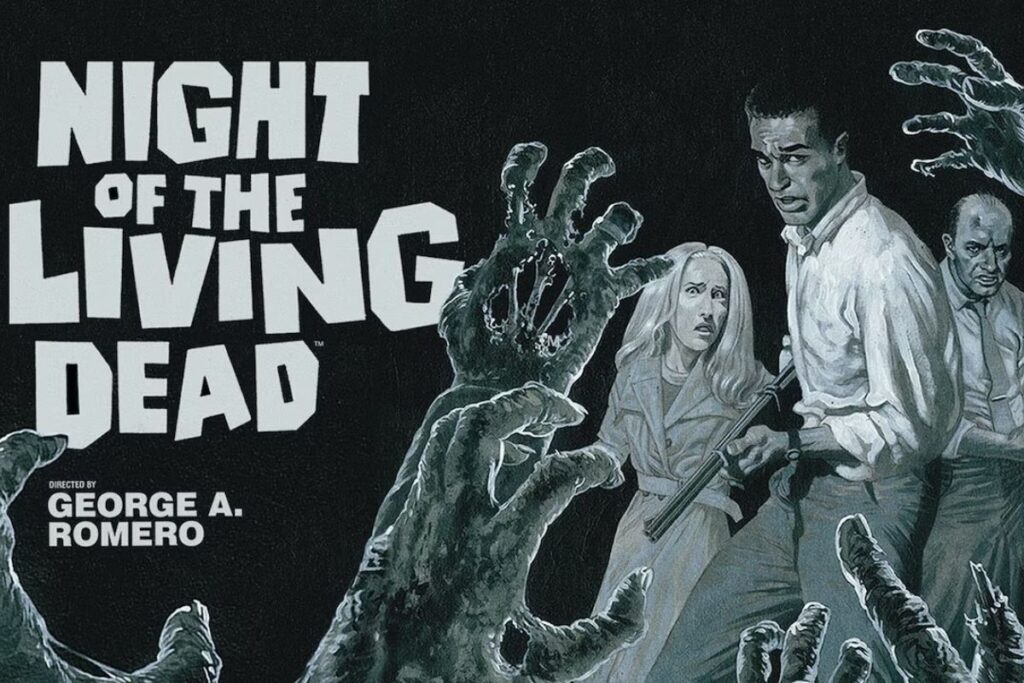
George A. Romero revolutionized pop culture horror with Night of the Living Dead (1968), creating modern American zombies distinct from their predecessors. His flesh-eating ghouls—never called zombies in the original film—arose from radiation rather than mysticism. This shift from supernatural zombies to viral zombies vs supernatural zombies reflected Cold War anxieties about science gone wrong. Romero zombies moved in apocalyptic swarms, replacing individual monsters with societal collapse scenarios. The evolution of zombie types accelerated dramatically, spawning an entire undead mythology subgenre.
Romero embedded biting social commentary beneath gore and terror. Casting Duane Jones, a Black actor, as the competent protagonist while white characters failed represented revolutionary horror as social commentary. Vietnam War subtext permeated every scene, questioning authority and military solutions. This George A Romero zombies approach transformed zombies in pop culture from exotic curiosities into mirrors reflecting American dysfunction. The modern zombie portrayals Romero pioneered continue influencing creators who understand apocalyptic narratives offer powerful critique vehicles.
Zombies as Metaphors in American Society
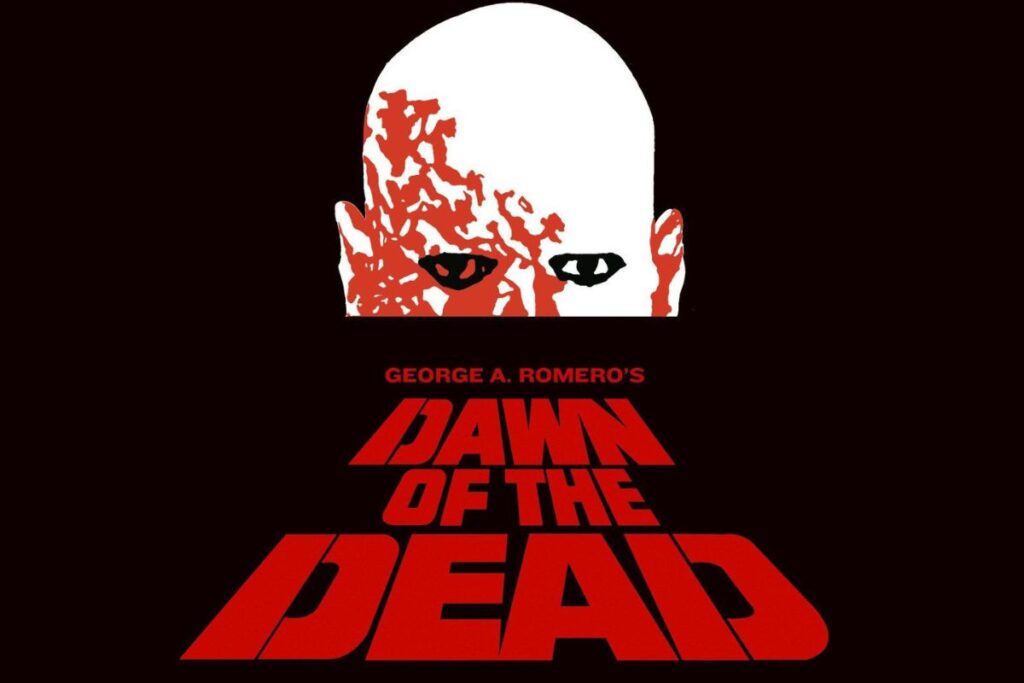
Consumerism became Romero’s primary target in Dawn of the Dead (1978), set entirely within a shopping mall. Zombies as cultural symbols reached peak effectiveness as mindless shoppers mimicked undead hordes. The social meaning of zombies evolved to critique capitalist excess and materialist obsession. This Dawn of the Dead symbolism resonated during Reagan-era America, where mall culture dominated suburban landscapes. Zombies and loss of identity parallels grew sharper as conformity pressures intensified. The mass infection trope became shorthand for societal diseases beyond literal viruses.
Contemporary zombie symbolism in America addresses pandemic fears and climate anxieties. Post-COVID audiences recognize how quickly normalcy collapses when systems fail. Post apocalyptic zombies reflect legitimate collapse concerns rather than abstract nightmares. Class warfare subtexts appear in films showing wealthy survivors versus desperate masses. The cultural evolution of zombies demonstrates their infinite adaptability as horror archetypes capable of absorbing each generation’s deepest fears. This flexibility explains why are zombies popular in America across decades and demographic shifts.
Zombies in American TV, Movies, and Comics
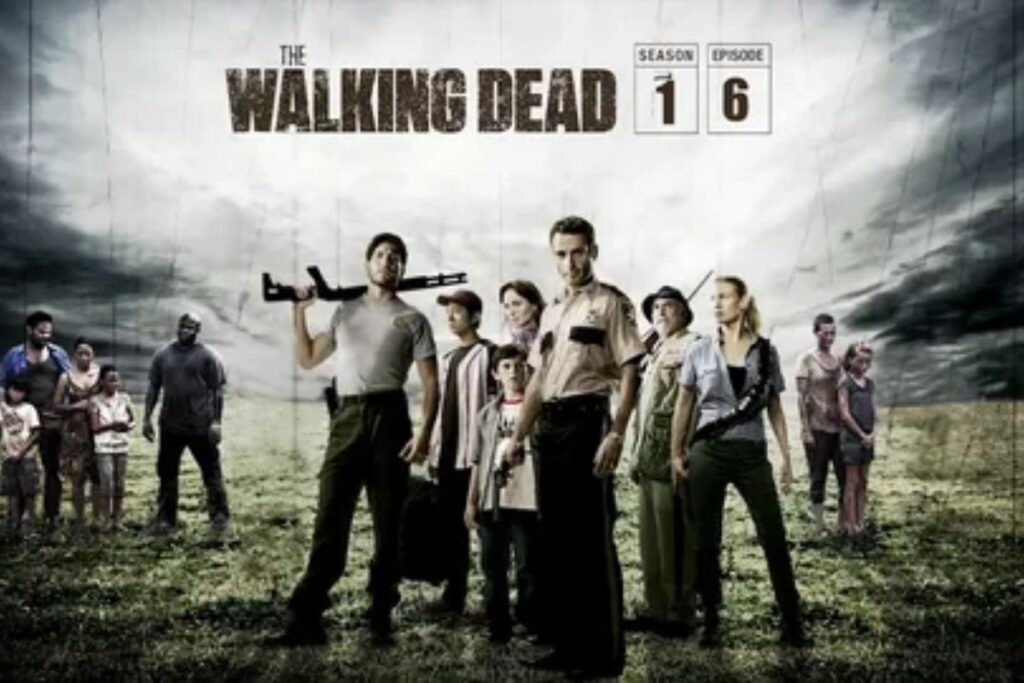
The Walking Dead (2010–2022) proved zombies in pop culture could sustain serialized storytelling for 11 seasons. The show prioritized character drama over monster spectacle, positioning the undead in entertainment as environmental hazards rather than primary threats. The Walking Dead cultural impact extended beyond ratings—it spawned multiple spin-offs and normalized horror television for mainstream audiences. This zombie TV shows phenomenon demonstrated audiences craved prolonged apocalypse narratives exploring human nature under pressure.
Film franchises expanded zombie versatility across genres beyond traditional horror. World War Z offered geopolitical scope examining how did zombies change over time through global pandemic lens. Resident Evil merged viral zombies with action spectacle. Marvel Zombies provided alternate universe zombie comics history where superheroes became infected monsters. These famous zombie films and comics proved the undead in American culture transcended single-genre limitations, infiltrating every entertainment medium available.
The Evolution of Zombie Types in Pop Culture

Slow zombies vs fast zombies debates rage among horror enthusiasts who view speed as philosophical dividing line. Romero’s shambling corpses emphasized inevitability and overwhelming numbers. Danny Boyle’s 28 Days Later (2002) introduced sprinting “infected” that prioritized immediate terror. Fast zombies transformed survival tactics from fortification to constant mobility. This evolution of zombie types reflected changing cultural anxieties—slower economic collapse versus sudden catastrophic events. World War Z zombie type took speed further with swarm behavior suggesting unstoppable natural forces.
Genre-bending variations demonstrate remarkable adaptability. iZombie merged detective procedural with comedy, while Warm Bodies explored romantic zombie redemption. Intelligent zombies in fiction like Day of the Dead’s Bub suggested retained humanity possibilities. The fungal infection in The Last of Us represented modern zombie portrayals grounded in plausible mycology rather than supernatural forces. These zombie variations prove zombie legends accommodate infinite creative permutations while maintaining core appeal.
| Zombie Type | Example | Key Characteristic |
|---|---|---|
| Classic Slow | Night of the Living Dead | Relentless shambling, overwhelming numbers |
| Fast Infected | 28 Days Later | Sprinting aggression, immediate danger |
| Intelligent | Day of the Dead | Retained memories, learning capability |
| Romantic | Warm Bodies | Redemption through love, regained humanity |
| Fungal | The Last of Us | Scientific plausibility, environmental spread |
How Haitian Folklore Is Often Misrepresented
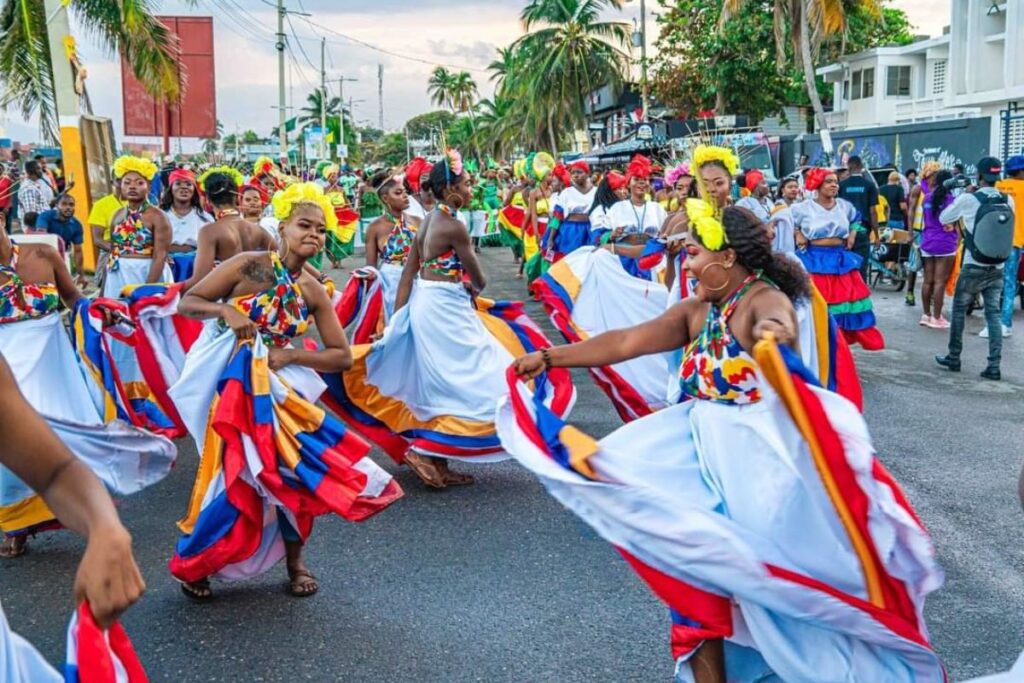
Haitian folklore suffered systematic erasure as Hollywood prioritized profits over accuracy. Spiritual depth disappeared, replaced by villainous caricatures. Vodou became synonymous with evil in zombies in Hollywood horror, ignoring its role as legitimate religious practice serving millions. Cultural context vanished entirely—few productions consulted Haitian voices or scholars. This misrepresentation of Haitian culture constitutes ongoing cultural appropriation in horror with real consequences for diaspora communities facing discrimination.
Modern scholars and creators now challenge these harmful distortions through education and authentic storytelling. Academic efforts reclaim traditional zombie beliefs from commercial exploitation. Haitian filmmakers produce works centering their perspectives rather than Western fantasies. Organizations promote Vodou education to combat persistent stereotypes. These corrections matter because are zombies based on real beliefs remains frequently asked yet poorly answered. Ethical horror storytelling requires acknowledging source cultures and compensating communities whose traditions fueled billion-dollar industries.
Why Zombies Still Dominate American Horror Culture
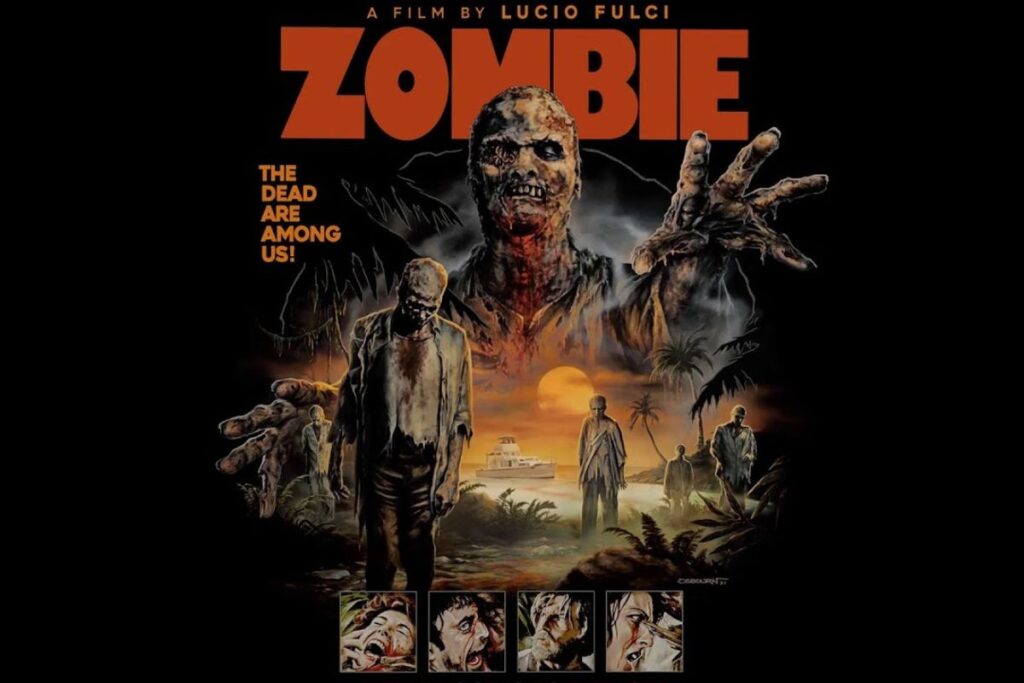
American zombies endure because they mirror every generation’s deepest anxieties with infinite narrative flexibility. Low-budget accessibility democratizes zombie horror genre production—anyone with cameras can create apocalypse scenarios. Universal collapse fears transcend cultural boundaries, making zombies popular in America and globally. The mythological beings in horror pantheon offers few archetypes matching zombie versatility. They accommodate any setting, time period, or tone from pure comedy to existential dread.
From Haitian zombie folklore to streaming dominance, zombies reflect who we fear becoming—mindless, consuming, lacking autonomy. Technology dehumanization parallels resonate as screen addiction and social media alter behavior patterns. The horror archetypes remain future-proofed because new crises constantly emerge. Climate disasters, political polarization, and artificial intelligence anxieties all find expression through shambling corpses. This cultural staying power ensures history of zombies continues expanding rather than concluding.
Conclusion
The journey of American zombies from sacred zonbi to commercial undead spans continents, centuries, and countless cultural distortions. What began as Haitian spiritual traditions reflecting slavery’s trauma became Western entertainment divorced from origins. Early Hollywood films embedded racism that modern zombie portrayals still grapple with addressing. George Romero revolutionized the genre by adding social commentary, proving pop culture horror could critique while terrifying. Today’s zombie saturation across television, film, and comics demonstrates enduring appeal rooted in adaptability.
Understanding where did zombies come from requires acknowledging debts to Haiti while recognizing Western distortion of folklore caused lasting harm. The real meaning of zombies as spiritual enslavement differs vastly from apocalypse entertainment. Moving forward demands ethical horror storytelling that respects source cultures rather than exploiting them. American fear narratives will continue spawning new zombie iterations, but creators should honor the cultural history of zombies properly. As audiences, we can engage thoughtfully with horror while demanding authentic representation and cultural respect. The undead in American culture aren’t disappearing—making their origins visible remains our collective responsibility.
FAQ’s: American Zombies From Haitian Folklore to Pop Culture Horror
1. What are American zombies based on?
American zombies originate from Haitian Vodou beliefs and the concept of the zonbi—a reanimated corpse controlled through spiritual enslavement. The history of zombies traces back to Haitian spiritual traditions where bokors (sorcerers) allegedly created mindless servants stripped of their souls. During America’s military occupation of Haiti (1915–1934), soldiers and journalists encountered these traditional zombie beliefs and sensationalized them for Western audiences. The American zombies history timeline shows transformation from sacred folklore to Hollywood horror when films like White Zombie (1932) commercialized these spiritual practices. Understanding where did the Legend of zombies come from requires examining how cultural appropriation in horror disconnected zonbi from their religious context, creating the flesh-eating undead we recognize today in zombies in pop culture.
2. How did Haitian folklore influence zombie movies?
Haitian zombie folklore provided the foundational mythology that Hollywood adapted into the zombie horror genre. The history of zombies in media began when travel writer William Seabrook published The Magic Island (1929), documenting alleged zonbi encounters in Haiti. This book directly inspired early famous zombie films including White Zombie (1932) and I Walked with a Zombie (1943). However, these American zombies history movie adaptations stripped away spiritual depth, replacing Vodou zombies explained complexity with racist stereotypes and exotic backdrops. The American zombies history facts reveal that filmmakers exploited bokor zombie myth elements while ignoring the real meaning of zombies as symbols of colonial oppression. The tragic, forgotten history of zombies involves systematic misrepresentation of Haitian culture that prioritized entertainment over accuracy. Modern American zombies history documentary projects now work to restore authentic context and challenge decades of Western distortion of folklore.
3. What’s the difference between zonbi and Hollywood zombies?
The difference between zonbi and Hollywood zombies represents cultural versus commercial interpretations of the undead. What is zombies in Haitian context? Zonbi are victims of spiritual enslavement, created when bokors steal the Ti Bon Ange (soul essence), leaving bodies as mindless servants. These folklore creatures don’t eat flesh or spread infection—they simply perform labor under magical control. The zombie folklore explained emphasizes moral warnings about spiritual vulnerability within Haitian spiritual traditions. Conversely, modern American zombies from George Romero’s Night of the Living Dead (1968) onward are cannibalistic corpses spreading through bites or viral infection. Zombie myth vs reality shows Hollywood invented the mass infection trope and apocalyptic narratives absent from original beliefs. Folklore vs Hollywood zombies differs fundamentally: one reflects colonial trauma through supernatural enslavement, while the other creates entertainment through gore and societal collapse scenarios. The cultural evolution of zombies demonstrates how commercial interests transformed sacred zombie legends into profitable horror without acknowledging spiritual origins.
4. Why are zombies so popular in American culture?
Why are zombies popular in America? Their enduring appeal stems from infinite metaphorical flexibility and low production barriers. The social meaning of zombies adapts to each generation’s anxieties—Romero’s Dawn of the Dead symbolism critiqued 1970s consumerism, while contemporary post apocalyptic zombies reflect pandemic fears post-COVID. Zombies as cultural symbols accommodate any crisis: zombies and slavery metaphor, climate collapse, technology dehumanization, or political polarization. The zombie horror genre democratizes filmmaking since creators need minimal budgets to produce compelling apocalypse scenarios. American fear narratives find perfect expression through shambling hordes representing loss of individuality and societal breakdown. Interestingly, government agencies recognized this cultural saturation—the CDC zombie preparedness guide titled Preparedness 101: Zombie apocalypse used zombie scenarios to teach emergency readiness, while FEMA zombie apocalypse materials leveraged pop culture appeal for disaster education. The evolution of zombie types from slow zombies vs fast zombies to intelligent undead ensures constant novelty. Zombies in pop culture won’t disappear because they function as adaptable horror archetypes reflecting whatever threatens humanity most urgently at any given moment.
5. Are fast zombies or slow zombies scarier?
The slow zombies vs fast zombies debate reveals different fear philosophies within the zombie horror genre. Classic zombies vs modern zombies present distinct terrors: Romero’s shambling undead emphasize inevitable doom and overwhelming numbers. You might outrun one, but thousands guarantee eventual exhaustion. Slow zombies create existential dread—they represent unstoppable forces grinding down humanity’s last defenses. This evolution of zombie types reflected Cold War anxieties about gradual societal decay. Conversely, fast zombies like 28 Days Later’s infected deliver immediate, visceral terror. World War Z zombie type sprinting predators eliminate safe zones and force constant mobility. Fast zombies suit modern attention spans and reflect sudden catastrophic events rather than slow collapse.
Subjectively, slow zombies prove scarier for psychological horror enthusiasts who appreciate horror as social commentary and sustained tension. Fast zombies work better for action-horror fans craving adrenaline rushes. The American zombies history timeline shows both types thrive because they serve different narrative purposes. Zombie variations accommodate personal fear profiles—some dread inevitability, others immediate danger. Neither version approaches the original Haitian zombie folklore which avoided chase sequences entirely, focusing instead on spiritual enslavement horror. The history of zombies in media demonstrates that zombie symbolism in America transcends speed debates—what truly terrifies audiences is watching humanity stripped away, whether gradually or instantaneously. Both types succeed because they tap into zombies and loss of identity fears central to undead mythology across cultures and generations.
If you’re interested in Memento Mori Artworks, be sure to check out our 25 Powerful Memento Mori Artworks That Remind Us of Life’s Fragility to explore more unique and dark options!

My name is Amanda Lee, and I’m passionate about the gothic lifestyle. I created GothicMood to share my love for dark fashion, beauty, and culture. Here I recommend gothic-inspired products, style tips, and ideas to help others embrace and express their unique gothic identity.