

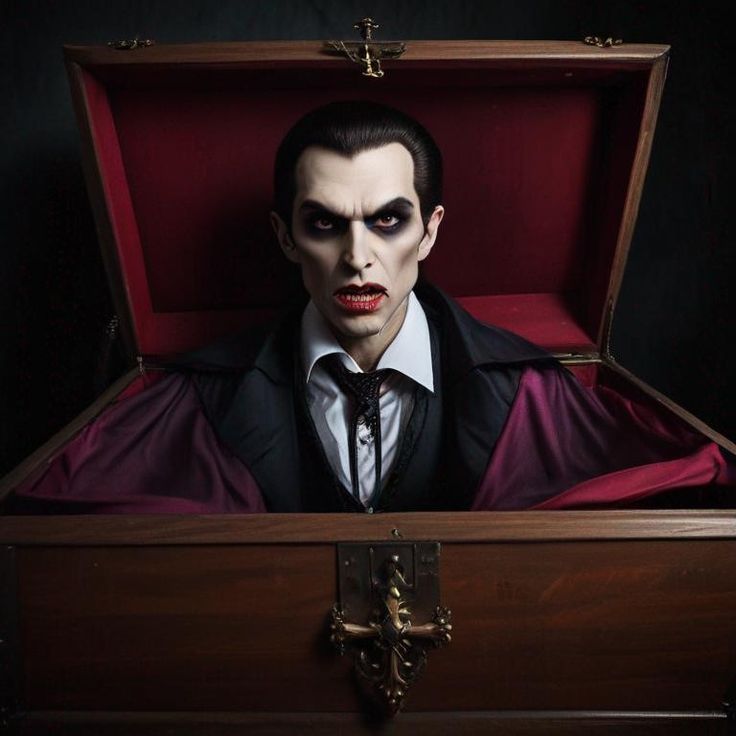
Dracula didn’t just terrify Victorian readers—he revolutionized visual culture permanently. Bram Stoker’s 1897 masterpiece transcended classic Gothic horror, embedding vampiric symbolism into modern Gothic fashion and contemporary art. Today’s dark romanticism owes everything to Count Dracula’s aristocratic menace: blood symbolism, immortality and decay themes, and erotic horror aesthetics. From corsets lace velvet on runways to dark fantasy art galleries, Dracula’s Gothic legacy persists relentlessly across creative disciplines.
Designers channel Victorian-inspired fashion while artists reinterpret vampiric imagery through digital mediums. Why does this literary vampire archetype still captivate us? Perhaps because Dracula as cultural icon represents rebellion, beauty in decay, and eternal mystery—qualities our modern world desperately craves. Let’s explore how Dracula shaped Gothic aesthetics across centuries and continues influencing contemporary Gothic art today.
The Origins of Dracula as a Gothic Icon
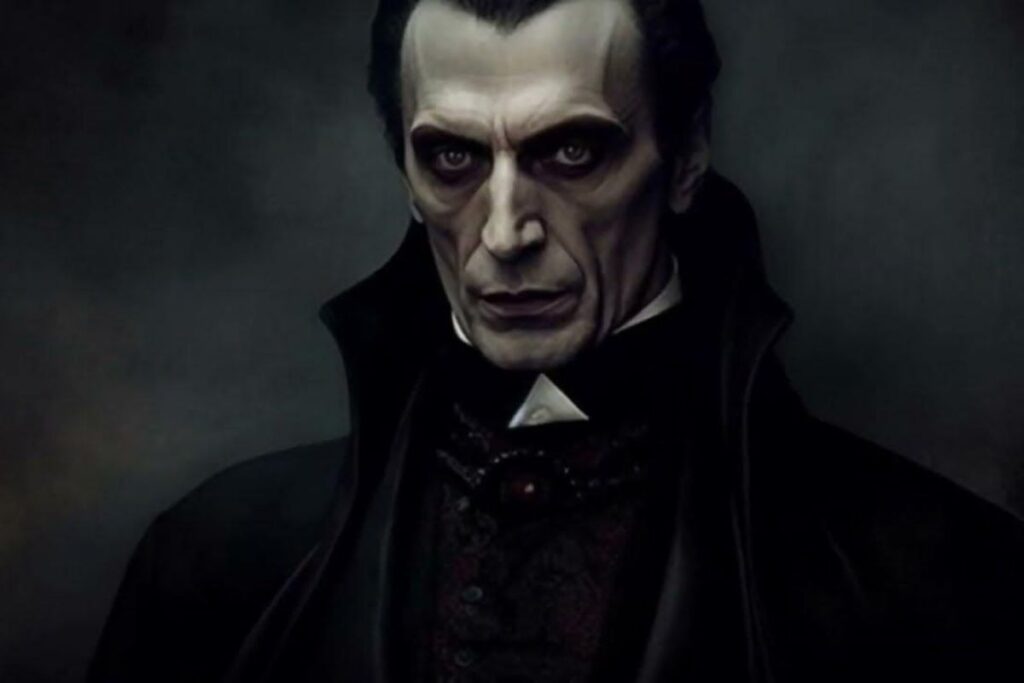
Bram Stoker unleashed Dracula upon Victorian Gothic literature in 1897, merging Transylvanian folklore with psychological terror. His 19th century Gothic fiction employed epistolary techniques—diaries, letters, newspaper clippings—creating documentary-style authenticity that readers found disturbingly believable. This Gothic novel influence explored forbidden desires beneath respectable society’s veneer, challenging Victorian era moral conventions through supernatural metaphor.
Count Dracula embodied aristocratic vampire imagery: cultured yet predatory, seductive yet monstrous, establishing the definitive literary vampire archetype for generations. Early theatrical productions and illustrations established foundational visual horror aesthetics that persist today. Pale complexions, high-collared capes, and decadent environments became synonymous with vampiric presence. These elements from Stoker’s narrative would echo through subsequent artistic movements, establishing Dracula as cultural icon beyond literature’s boundaries.
| Element | Victorian Origin | Modern Interpretation |
|---|---|---|
| Pale Complexion | Death symbolism | Ethereal beauty standard |
| Dark Clothing | Mourning attire | Gothic fashion influence |
| Aristocratic Manner | Class anxiety | Sophisticated rebellion |
| Blood Imagery | Taboo sexuality | Vampiric symbolism |
Core Gothic Elements Dracula Introduced to Visual Culture
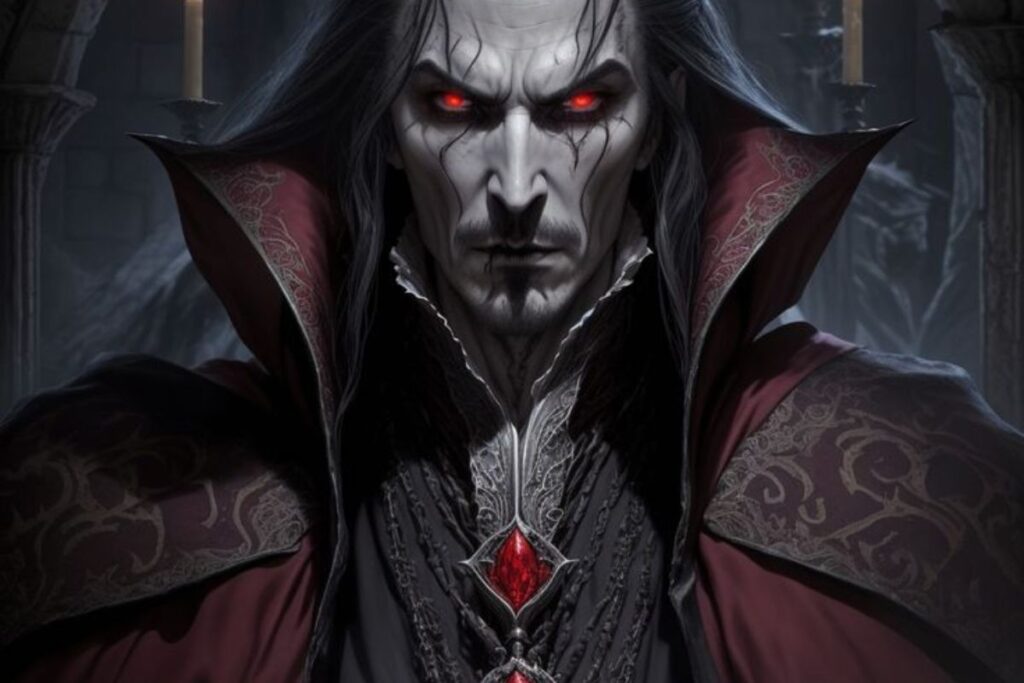
Blood symbolism in art became intrinsically linked to Dracula’s narrative framework through Stoker’s vivid descriptions. Crimson represented vitality, transgression, and eternal life simultaneously—a triple meaning that artists exploit endlessly. Darkness wasn’t merely absence of light; it signified forbidden knowledge and romantic melancholy that challenged Enlightenment rationality. Immortality and decay existed paradoxically within Dracula’s existence: eternal youth sustained grotesquely through death and consumption.
The Gothic aesthetic Dracula popularized merged beauty with terror in unprecedented ways. Aristocratic elegance contrasted sharply with predatory menace, creating visual tension designers still exploit across mediums. Gender boundaries blurred through sensual interactions transcending Victorian conventions, prefiguring modern fluidity in erotic horror themes. Dark romanticism found its perfect embodiment in Dracula’s character—sophisticated, dangerous, eternally fascinating yet fundamentally doomed.
Symbolic Foundations
These core elements established vampire art symbolism that resonates through contemporary culture. The Gothic aesthetic Dracula introduced wasn’t simply about darkness or fear. Instead, it represented complex emotional landscapes: longing, isolation, forbidden desire, and transcendent beauty discovered within shadows. This emotional depth explains why Dracula’s Gothic legacy endures where simpler horror archetypes fade.
Dracula’s Influence on Modern Gothic Fashion
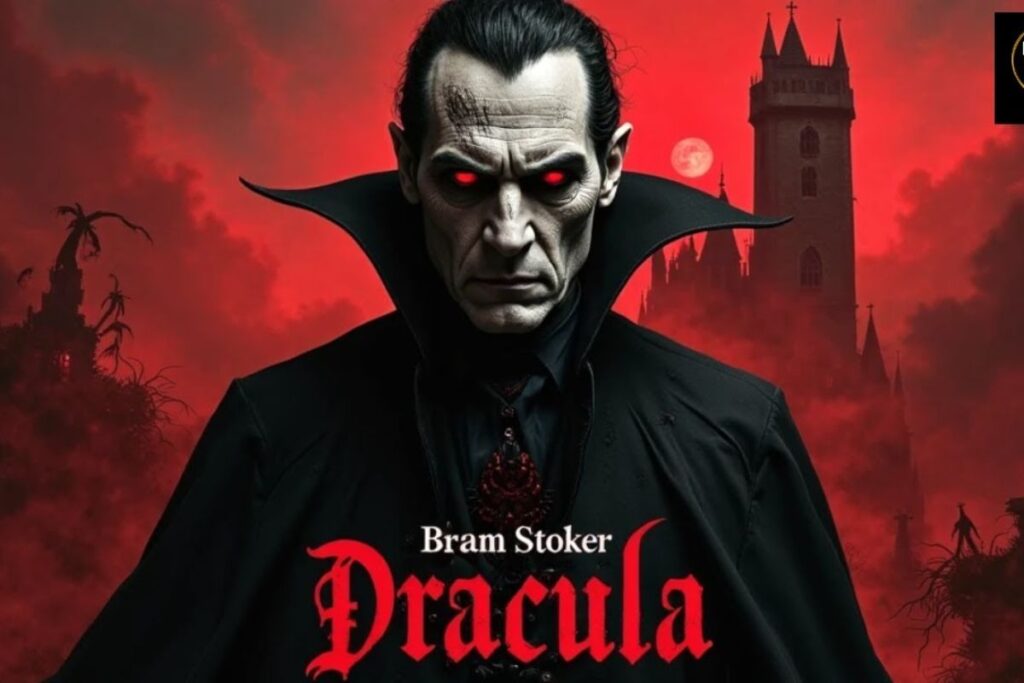
How Dracula influences modern Gothic fashion extends far beyond Halloween costumes into legitimate sartorial movements embraced globally. High fashion embraced vampire-inspired fashion through dramatic collections featuring corseted silhouettes and luxurious textures evoking Victorian opulence. Gothic runway trends showcase velvet, lace, leather—materials evoking vampiric sophistication and decadent sensuality that Stoker described meticulously.
Alexander McQueen’s theatrical presentations channeled Dracula’s darkness through haute couture spectacle. Runway shows increasingly feature dark romantic fashion style inspired by vampire mythology modern media interpretations. The evolution of Gothic fashion demonstrates Dracula’s enduring aesthetic authority across design generations. Contemporary designers reinterpret Victorian-inspired fashion through modern fabrication techniques while maintaining atmospheric intensity and psychological depth.
Alternative fashion aesthetics permeate streetwear beyond haute couture’s exclusive runways. Corsets lace velvet combinations, chokers, dramatic makeup reference Dracula’s visual language daily among Gothic subculture adherents. TikTok’s dark academia aesthetic and Whimsigoth movements directly channel vampiric elegance into contemporary wardrobes, proving Gothic fashion influence transcends generational boundaries effortlessly. Young people discover Bram Stoker Dracula through fashion first, then explore literary origins.
| Fashion Element | Dracula Connection | Modern Usage |
|---|---|---|
| Corsets | Victorian restraint | Empowerment statement |
| Velvet | Aristocratic luxury | Gothic runway trends |
| Lace | Delicate mortality | Romantic rebellion |
| Black palette | Mourning/mystery | Alternative fashion aesthetics |
| Dramatic collars | Neck protection | Architectural silhouette |
Vampiric Aesthetics in Contemporary Art & Visual Media
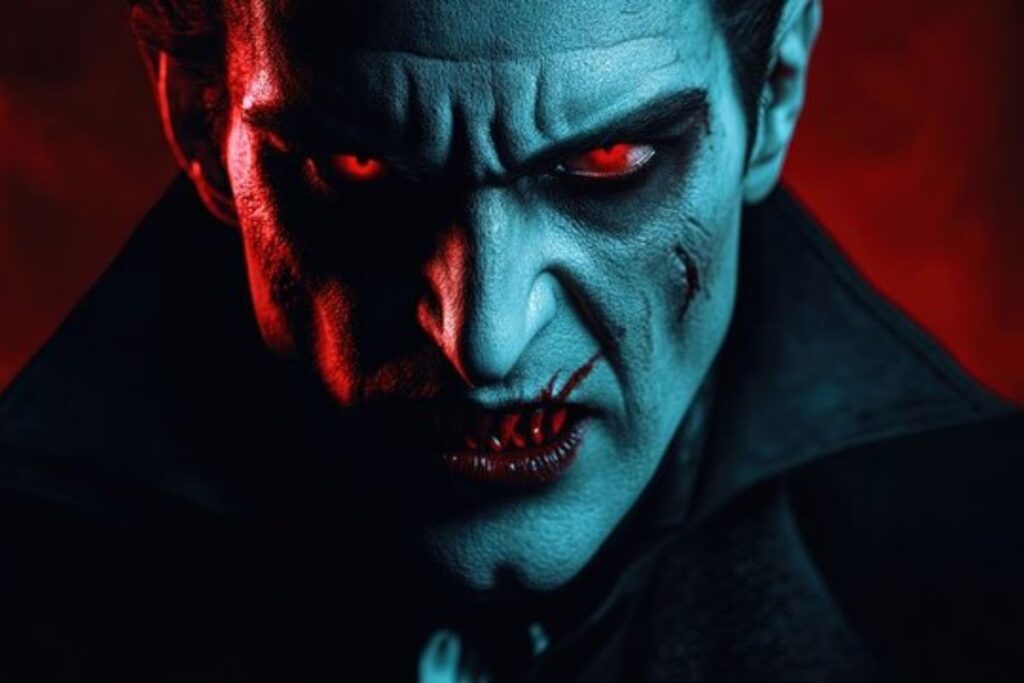
Contemporary Gothic art reinterprets Dracula through painting, sculpture, photography, and digital manipulation with remarkable sophistication. Modern dark art movement practitioners explore vampiric themes: isolation, immortality, decadent decay, existential longing. Fine art galleries increasingly feature exhibitions examining Gothic art influence across traditional and digital mediums. Digital artists blend classical vampire art symbolism with cyberpunk elements, creating fresh visual dialogues between past and future.
Surreal Gothic imagery dominates editorial photography across Vogue, Dazed, and independent publications seeking atmospheric intensity. Stylists construct narratives borrowing Dracula’s vocabulary: candlelit settings, antique furnishings, dramatic chiaroscuro lighting techniques. Music videos and album artwork frequently deploy vampiric symbolism to convey emotional darkness and romantic isolation. These commercial applications ensure Dracula’s aesthetic remains culturally relevant beyond academic circles or literary studies.
Dark fantasy art communities thrive online, sharing Dracula inspired art and fashion across Instagram, Pinterest, DeviantArt platforms. Artists worldwide contribute to vampire imagery in contemporary design, proving Count Dracula’s visual legacy adapts continuously while maintaining recognizable core elements. The character’s flexibility allows endless reinterpretation without losing essential identity markers.
Dracula in Pop Culture: Film, Music, and Subcultures
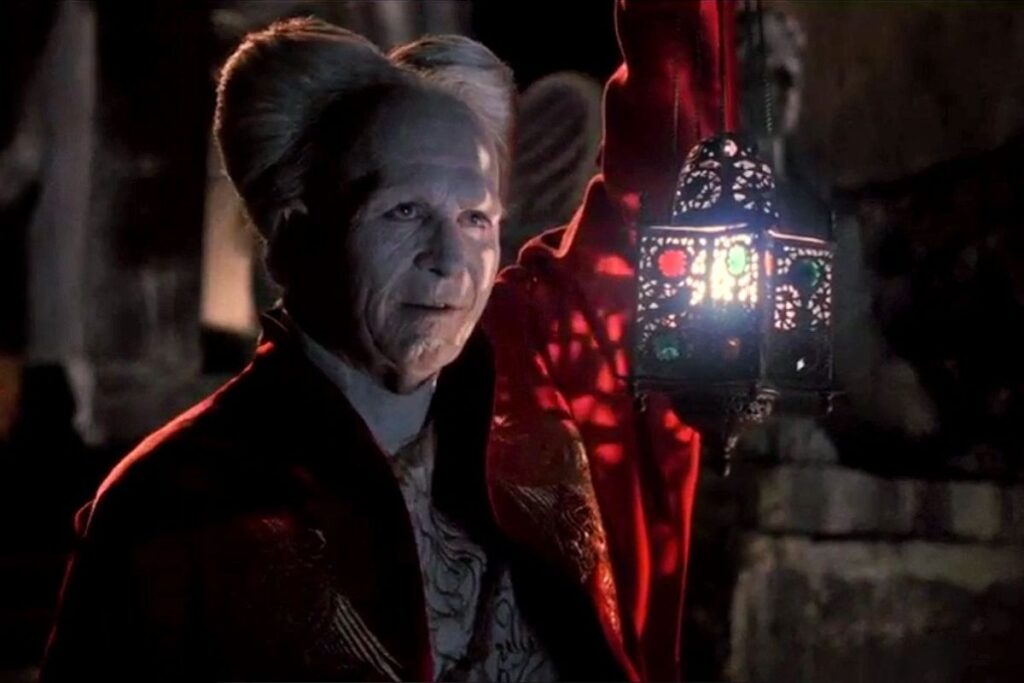
Dracula in pop culture transformed through cinematic reinterpretations across decades, each generation discovering fresh relevance. Bela Lugosi’s 1931 portrayal established iconic imagery still referenced today. Francis Ford Coppola’s romanticism, contemporary Netflix adaptations—each vampire films and television iteration refreshes Dracula’s aesthetic while maintaining aristocratic menace. Vampire mythology modern media continually evolves, proving adaptability sustains cultural longevity.
Horror aesthetics in fashion emerged directly from cinematic portrayals influencing designers consciously and unconsciously. Film costume design influenced street style, subcultures, and designer collections through visual osmosis. Visual media amplified Dracula’s reach exponentially beyond Stoker’s original readership, democratizing access to Gothic horror genre aesthetics. Cinema transformed literary description into tangible visual reference that fashion could immediately appropriate.
Gothic subculture adopted Dracula as foundational iconography and philosophical inspiration for identity construction. Darkwave and goth culture bands like Bauhaus explicitly referenced vampire mythology through aesthetics and lyrics. Subcultures embraced dark romanticism as identity expression—rejecting mainstream blandness through theatrical presentation and philosophical depth. Industrial, post-punk, and darkwave movements cultivated Dracula’s influence on Gothic subcultures through music venues celebrating vampiric aesthetics: black clothing, pale makeup, romantic melancholy.
“We are in Transylvania, and Transylvania is not England. Our ways are not your ways.” — Bram Stoker, Dracula
This quote encapsulates Dracula’s essential otherness that makes him perpetually fascinating. His rejection of conventional society attracts those seeking authentic identity outside mainstream conformity.
Why Dracula’s Gothic Legacy Still Resonates Today
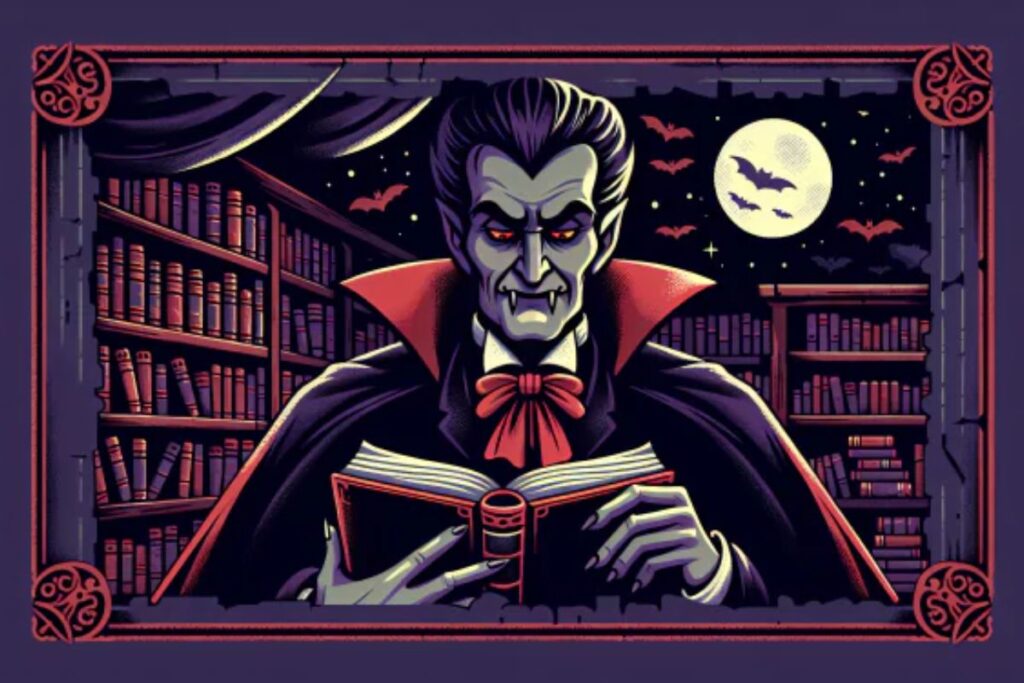
Modern fashion inspired by Gothic literature thrives because Dracula offers escapist fantasy from digital monotony and contemporary anxieties. The vampire’s eternal existence liberates audiences from mortality’s constraints and life’s mundane limitations. Gothic themes in modern visual art provide aesthetic refuge—beauty discovered in shadows, elegance found through melancholy rather than superficial happiness.
Social media amplifies vampiric aesthetics through curated content reaching global audiences instantly. Instagram’s dark academia aesthetic movement, Pinterest’s Gothic boards, TikTok’s alternative fashion communities—all perpetuate Dracula as cultural icon across platforms. The character’s psychological complexity resonates with contemporary identity exploration: monster or misunderstood outsider? This ambiguity allows personal projection and individual interpretation.
Dracula’s Gothic legacy endures because it represents perpetual rebellion against convention and societal expectations. Adopting vampiric aesthetics signals rejection of mainstream conformity and cookie-cutter identity. Immortality symbolizes transcendence beyond societal limitations and temporal restrictions. This psychological depth ensures ongoing relevance across generations seeking authentic expression beyond commercial trends.
The influence of Dracula on fashion demonstrates how literary archetypes transcend original medium. Fashion becomes vehicle for philosophical expression, not merely clothing. Romanticism meets modernity through Dracula’s continuing presence in creative culture.
Dracula as a Timeless Muse for Designers and Artists
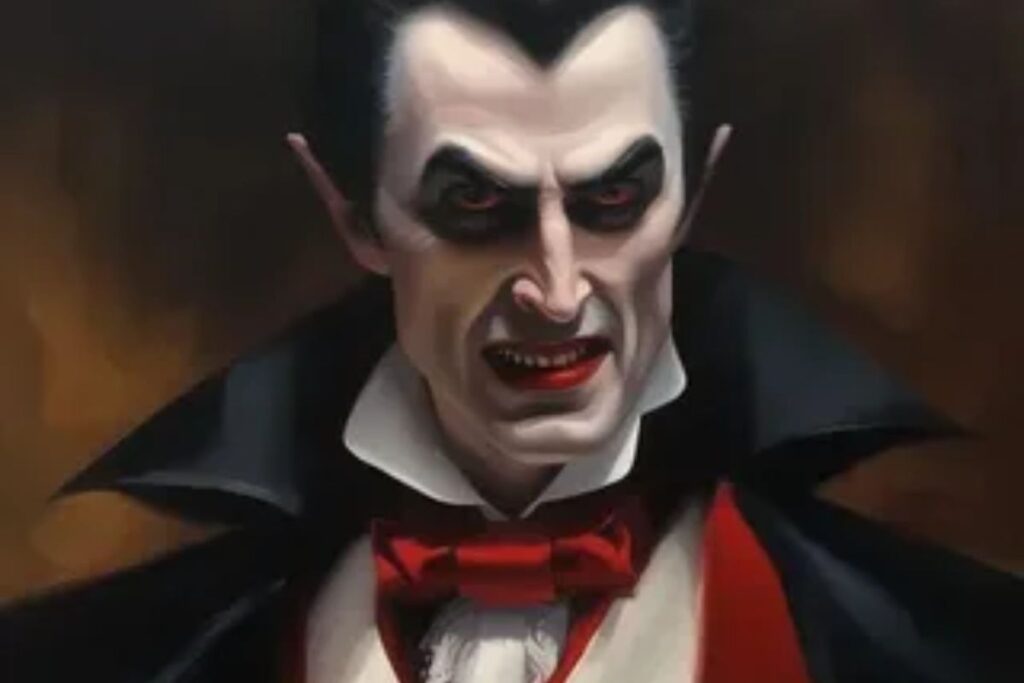
Dracula transcends classic Gothic horror to become perpetual creative inspiration across disciplines and generations. Designers continually reinterpret his aesthetic vocabulary through contemporary lenses while respecting historical foundations. Artists explore vampiric themes addressing modern anxieties: isolation, consumerism, digital alienation, environmental collapse. The character’s flexibility allows endless reinvention while maintaining recognizable elements that ensure continuity.
Gothic legacy in modern art persists because Dracula represents timeless human fascinations: death, desire, beauty, power. As long as creators seek darkness’s romantic potential, Count Dracula’s influence will flourish indefinitely. From runway collections to digital galleries, vampire symbolism in modern art demonstrates Bram Stoker’s Victorian creation remains perpetually relevant to contemporary concerns.
The influence of Dracula on fashion continues evolving unpredictably yet recognizably through cultural movements. Future designers will undoubtedly discover fresh interpretations, ensuring this aristocratic vampire remains fashion and art’s most enduring dark muse. How Dracula shaped Gothic aesthetics demonstrates literature’s profound impact on visual culture across centuries.
Frequently Asked Questions (FAQs)
How did Dracula influence modern Gothic fashion?
Dracula profoundly shaped modern Gothic fashion by popularizing vampiric aesthetics such as flowing capes, corsets, lace, velvet fabrics, and aristocratic Victorian silhouettes. These elements continue to influence runway collections, alternative fashion brands, and subcultures like romantic goth, Victorian goth, and vampire goth aesthetics, making Dracula a timeless fashion reference.
Why does Dracula remain relevant in contemporary art and culture?
Dracula remains relevant because he represents universal dark themes—forbidden desire, immortality, mortality, rebellion, and dark romanticism. Contemporary artists reinterpret Dracula through digital art, horror films, fashion photography, and gothic illustrations, allowing the character to evolve while maintaining his symbolic power in modern visual culture.
What Gothic elements did Dracula introduce to visual culture?
Dracula introduced enduring Gothic visual elements such as blood symbolism, pale-versus-dark color contrasts, aristocratic vampire imagery, erotic horror, and Victorian fashion infused with supernatural terror. These elements helped define the gothic aesthetic in literature, film, fashion, and dark fantasy art.
How did Dracula shape the vampire aesthetic in movies and fashion?
Dracula established the classic vampire aesthetic—elegant yet terrifying—seen in films, TV series, and gothic fashion. From slicked hair and tailored black attire to dramatic capes and pale makeup, Dracula became the blueprint for how vampires are visually portrayed across cinema, cosplay, and alternative fashion scenes.
Is Dracula considered the foundation of modern Gothic culture?
Yes, Dracula is widely regarded as a cornerstone of modern Gothic culture. The novel helped define Gothic literature’s core themes—dark romance, psychological horror, and supernatural mystique—which later expanded into goth music, gothic fashion, visual art, and lifestyle aesthetics still embraced today.
Dracula’s Gothic legacy proves exceptional literary creations transcend original context, becoming cultural touchstones shaping aesthetics across generations. From Bram Stoker’s 1897 novel to today’s contemporary Gothic art, Dracula remains civilization’s most influential dark muse.
If you’re interested in Hannibal Lecter, be sure to check out our Hannibal Lecter: America’s Most Beautiful Gothic Nightmare to explore more unique and dark options!

My name is Amanda Lee, and I’m passionate about the gothic lifestyle. I created GothicMood to share my love for dark fashion, beauty, and culture. Here I recommend gothic-inspired products, style tips, and ideas to help others embrace and express their unique gothic identity.