

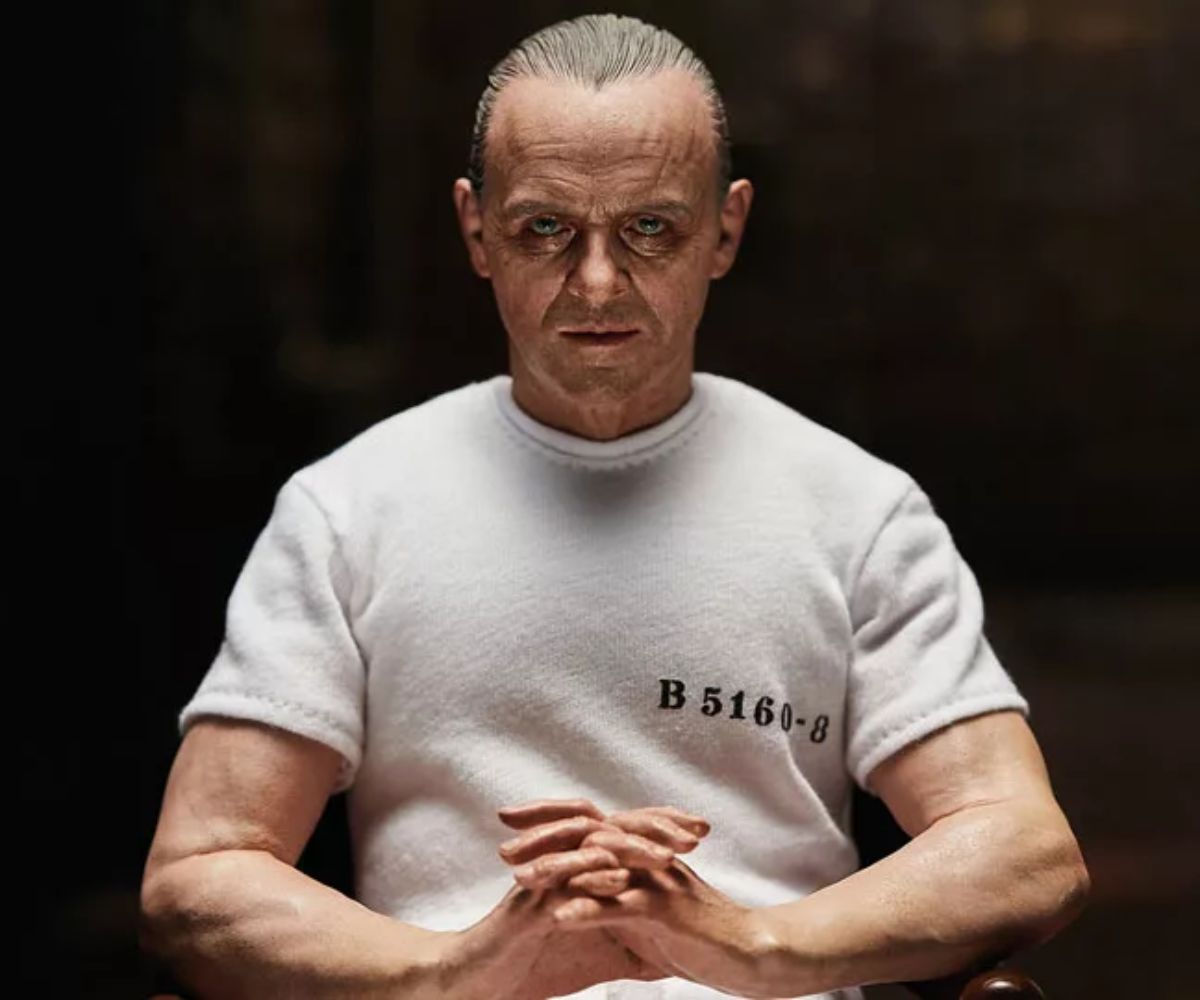
Hannibal Lecter is not merely a fictional killer; he is a disturbing reflection of elegance wrapped in horror. Created by Thomas Harris, Lecter embodies the darkest elements of American Gothic storytelling, where civilization and savagery coexist. Unlike typical villains, he fascinates readers through his intellect, refined tastes, and unsettling calm, earning his reputation as a cultured serial killer rather than a mindless monster.
His presence transforms violence into psychological tension, blurring moral boundaries and revealing deep moral corruption beneath polished society. As a master of psychological horror, Hannibal Lecter stands as a morally complex villain whose refined brutality and dark charm create a haunting gothic atmosphere that continues to captivate modern audiences.
Few fictional villains possess the paradoxical magnetism of Hannibal Lecter. He’s a cultured serial killer who devours his patients, a Renaissance man who commits unspeakable atrocities with balletic precision. Unlike machete-wielding antagonists, Lecter weaponizes sophistication alongside savagery, creating what can only be described as a beautiful nightmare. This exploration reveals why Thomas Harris Hannibal Lecter remains the definitive figure in American Gothic horror, blending refined brutality with psychological terror that continues captivating audiences decades after his literary debut. Understanding this character requires examining the gothic aesthetics, moral corruption, and cultural anxieties he embodies within American Gothic Subculture.
Who Is Hannibal Lecter? The Birth of an American Gothic Icon
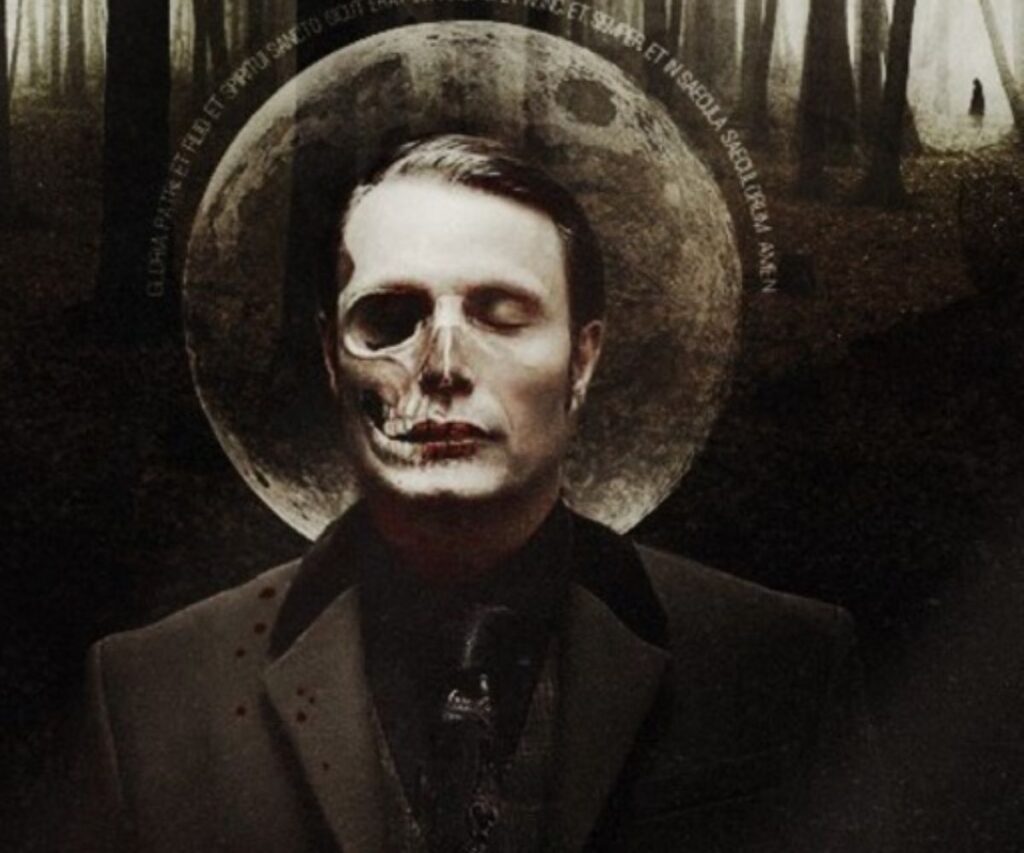
Hannibal Lecter first emerged from Thomas Harris‘s imagination in 1981’s Red Dragon, forever altering horror’s landscape with his unprecedented combination of psychiatric brilliance and cannibalistic appetite. This intelligent villain operated from Baltimore State Hospital, confined yet controlling everyone around him through psychological manipulation that made physical restraints seem almost irrelevant. Unlike typical slasher villains who rely on brute force, Lecter represents a morally complex villain whose weapon of choice remains his extraordinary intellect and understanding of human weakness.
What distinguishes this criminal mastermind from horror’s broader pantheon becomes immediately apparent through comparison. Jason Voorhees, Freddy Krueger, and Michael Myers terrorize through physical violence and supernatural elements, but Lecter’s terror springs from something far more unsettling—his humanity. He doesn’t lurk in shadows or require supernatural powers because his refined understanding of psychology provides infinitely sharper tools for destruction. This antihero in horror fiction doesn’t just kill; he transforms murder into performance art, creating a template that redefined what audiences could expect from gothic villains.
| Traditional Horror Villains | Hannibal Lecter |
|---|---|
| Supernatural powers | Human intelligence |
| Physical violence | Psychological warfare |
| Mindless killing | Strategic manipulation |
| Crude methods | Refined aesthetics |
Thomas Harris and the Reinvention of American Gothic Horror

Thomas Harris didn’t merely write thrillers when he created the Lecter saga spanning Red Dragon, The Silence of the Lambs, Hannibal, and Hannibal Rising—he resurrected Gothic horror literature for contemporary America. His literary horror analysis merged Edgar Allan Poe’s psychological intensity with modern forensic realism, creating character-driven horror that prioritized mental anguish over cheap jump scares. Harris modernized 19th-century Gothic traditions by transplanting decay and morality themes into FBI procedurals, proving that isolation and darkness could exist within fluorescent-lit government buildings as powerfully as crumbling European castles.
This transformation of American Gothic literature involved meticulous attention to narrative depth and thematic complexity rarely seen in horror fiction. Harris studied FBI case files, psychiatric literature, and art history to construct a cultured serial killer who could discuss Dante while dismembering victims. The four novels don’t simply entertain; they examine violence beneath civilization, questioning whether refinement and savagery truly oppose each other or simply represent different expressions of human nature. Critics recognized Harris as genre-defining precisely because he elevated psychological horror novels into serious literature worthy of academic scrutiny.
How Hannibal Lecter Embodies American Gothic Horror
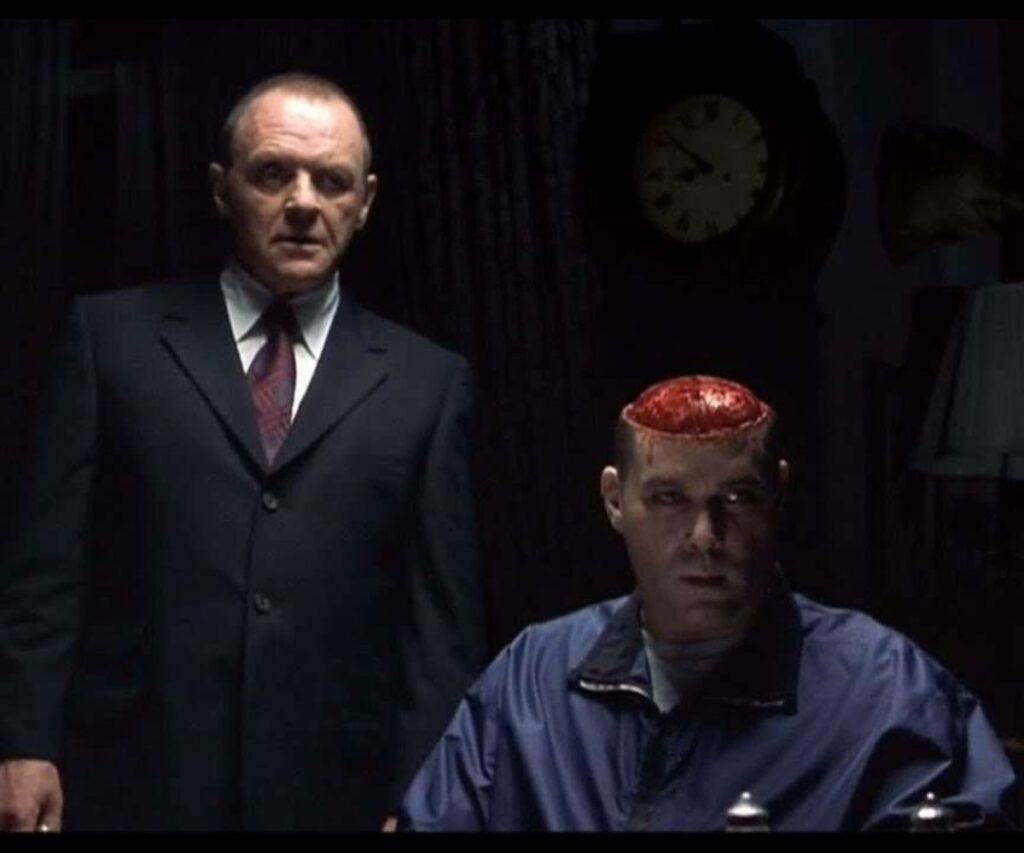
American Gothic horror excavates darkness lurking beneath civilized society’s veneer, focusing on moral corruption, institutional decay, and transgression against natural order rather than European Gothic’s emphasis on ancient castles and aristocratic vampires. This distinctly American tradition examines fear in modern America through settings like mental asylums, suburban homes, and respected institutions harboring unspeakable evil. Key characteristics include decay and morality intertwined, isolation and darkness despite populated environments, and exposure of rot within systems Americans trust implicitly—medicine, law enforcement, academia.
Lecter personifies these American Gothic anxieties with terrifying precision through multiple symbolic dimensions. His imprisonment represents isolation and darkness both literal and metaphorical—genius trapped yet still controlling outside forces. The cannibalism transgresses civilization’s most fundamental taboo, embodying violence beneath civilization in its most extreme form. His psychiatric credentials mock institutional authority, revealing how easily respected professions can mask monstrosity. Through gothic symbolism, Lecter becomes more than just a character; he transforms into America’s mirror, reflecting uncomfortable truths about sophistication’s relationship with savagery and asking whether refinement genuinely opposes brutality or merely disguises it more elegantly.
Why Hannibal Lecter Is a Beautiful Nightmare in American Gothic Horror
Lecter’s Renaissance refinement clashes violently with his cannibalistic appetites, creating dark elegance that fascinates audiences despite—or perhaps because of—its horrifying contradictions. He appreciates Bach’s Goldberg Variations, collects first-edition Dante, speaks multiple languages fluently, and possesses encyclopedic knowledge of Renaissance art. Yet this same cultured gentleman serves human liver with fava beans and Chianti, transforming murder victims into gourmet cuisine with artistic violence that respects culinary tradition even while violating every moral boundary. This juxtaposition exemplifies macabre beauty—the unsettling realization that refinement and monstrosity can coexist seamlessly within one consciousness.
This cognitive dissonance creates the beautiful nightmare central to Lecter’s enduring appeal through several psychological mechanisms. Audiences find themselves attracted to his sophistication, intelligence, and aesthetic sensibility while simultaneously repulsed by his actions. The unsettling elegance with which he commits atrocities makes them more disturbing than crude violence ever could because it suggests purpose and meaning rather than random chaos. His refined monster trope seduces viewers into identifying with evil, creating uncomfortable self-examination about what we admire and why. Florence sequences in Hannibal showcase this perfectly—Lecter attending opera in Renaissance splendor immediately before committing murder, blurring lines between culture and carnage until they become indistinguishable.
Hannibal Lecter and the Cultured Monster Archetype in Psychological Horror

Lecter pioneered psychological horror novels that infiltrate minds rather than merely shocking eyeballs through graphic violence. His psychological manipulation of FBI trainee Clarice Starling in The Silence of the Lambs demonstrates how he weaponizes psychiatric expertise, probing her childhood traumas while offering genuine insight that helps solve cases. This creates the central paradox—he’s simultaneously helpful and harmful, mentor and monster. His famous “memory palace” technique reveals extraordinary mental discipline, storing vast information through mnemonic visualization that allows instant recall of anything experienced.
This intelligence renders him exponentially more frightening than mindless killers through several dimensions. He predicts behavior with uncanny accuracy, staying three moves ahead of everyone pursuing him. The FBI consultant paradox—using imprisoned serial killer to catch active ones—underscores how his intellect makes him indispensable despite being humanity’s enemy. Character-driven horror reaches its apex here because fear derives not from what Lecter does but what he might do, how he thinks, and whether anyone can truly outsmart him. His psychological crime drama elements transform horror into intellectual chess match where stakes include not just survival but sanity itself.
Gothic Spaces and Atmosphere in the Hannibal Lecter Novels
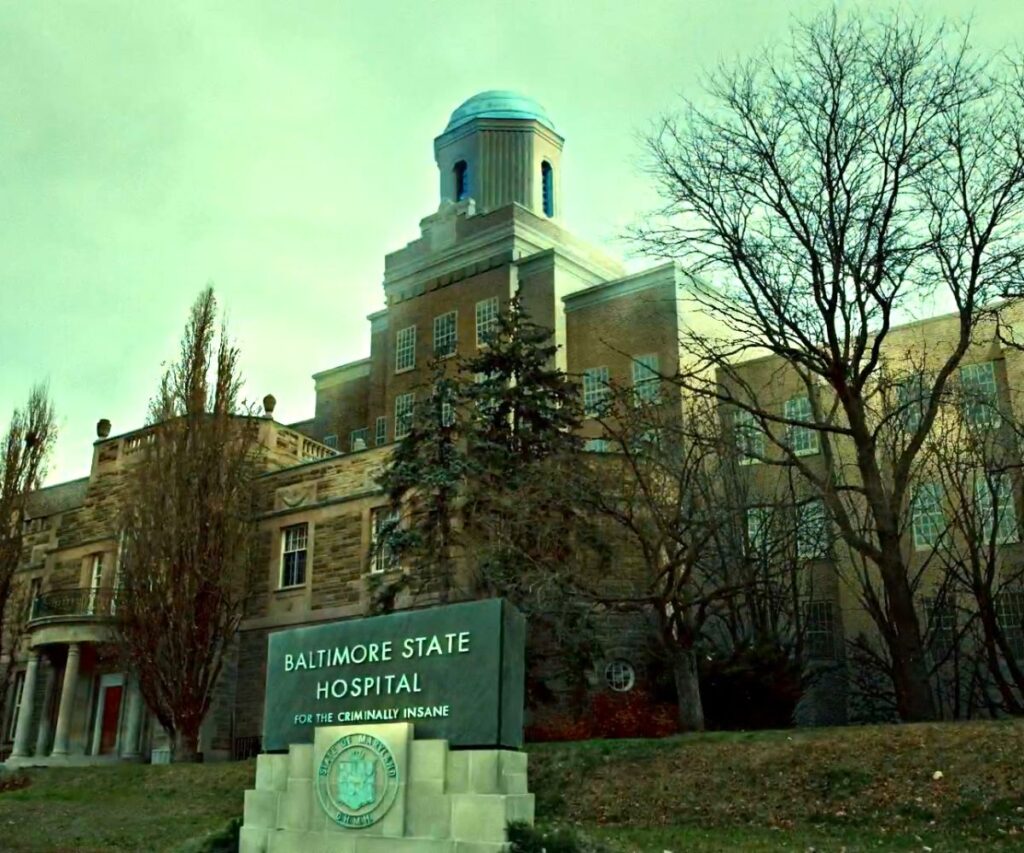
Baltimore State Hospital’s labyrinthine corridors exemplify gothic atmosphere through their oppressive architecture and sensory deprivation. The underground maximum-security cells where Lecter resides become modern equivalents of castle dungeons—stone, darkness, silence broken only by dripping water and distant screams. Harris’s descriptions emphasize isolation and darkness both physical and psychological, creating spaces that reflect characters’ internal states. The Memphis courthouse temporary holding cell where Lecter escapes represents institutional decay literally and symbolically—aging infrastructure unable to contain contemporary evil.
Contrasting settings amplify this gothic atmosphere through deliberate juxtaposition. Lecter’s elegant Florence apartment in Hannibal features Renaissance art, fine wines, and classical music—civilized refinement starkly opposing Baltimore’s institutional brutality. Yet both spaces harbor identical evil, suggesting environment doesn’t create or prevent monstrosity but merely provides different stages for its performance. Harris uses silence pervading these locations to amplify psychological tension unbearably—the quiet before violence feels more threatening than violence itself. This dark elegance in modern gothic fiction proves that decay and morality require no cobwebs or crumbling castles when human institutions provide their own forms of architectural menace.
Hannibal Lecter as a Symbol of America’s Fear of Moral Decay
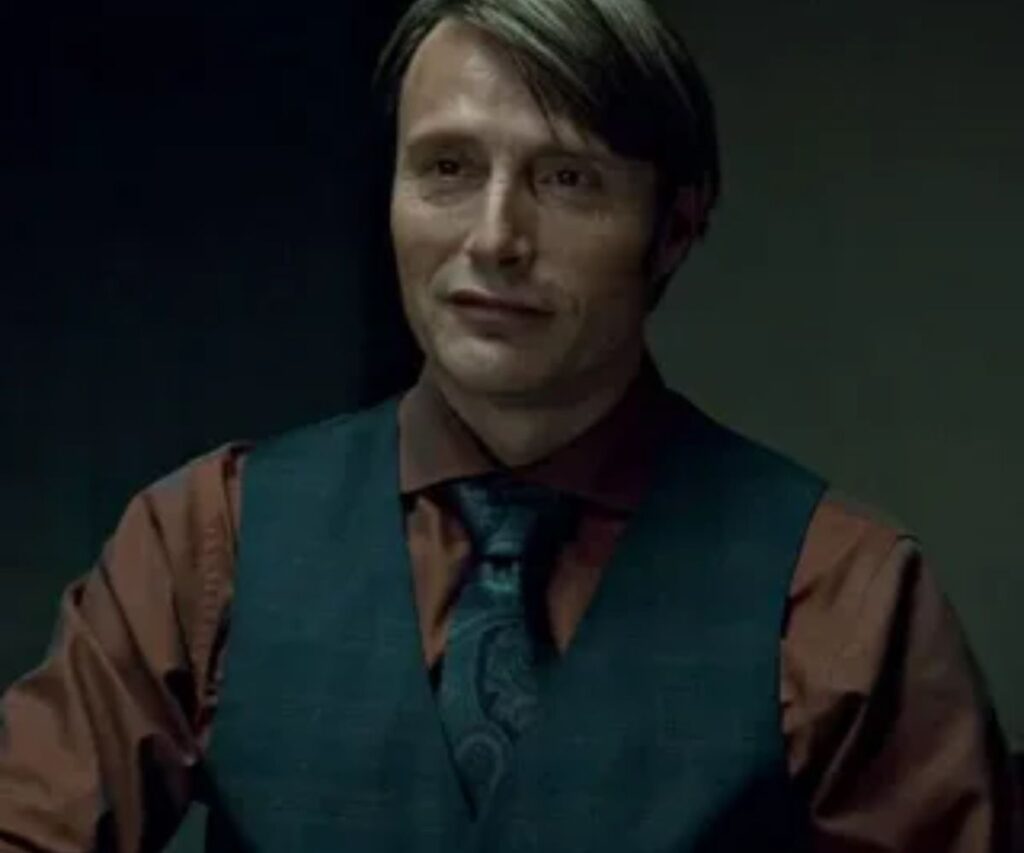
Lecter mirrors American Gothic anxieties about corrupted institutions and hidden monstrosity during the 1980s-1990s cultural moment when trust in medical and psychiatric professions eroded. His character embodies moral corruption within elite systems—the psychiatrist becomes predator, the healer becomes consumer. This reflects broader fear in modern America regarding who can be trusted when credentials and sophistication no longer guarantee benevolence. The novels examine violence beneath civilization not as aberration but as integral component, questioning whether society’s refinement genuinely opposes savagery or simply markets it differently.
He embodies civilization’s darkest contradiction through his simultaneous participation in high culture and base cannibalism. Some literary critics interpret his consumption of victims as metaphor for capitalist exploitation—elites literally consuming working people—though Harris never confirmed this reading. The thematic complexity allows multiple interpretations, from critique of American exceptionalism to examination of nature versus nurture in psychopathy. His resonance across decades stems from addressing timeless questions about human nature’s capacity for moral corruption despite—or enabled by—intelligence and refinement. Whether discussing Dante or dismembering victims, Lecter forces recognition that civilization’s veneer remains disturbingly thin.
Hannibal Lecter’s Gothic Image in Film and Television Adaptations
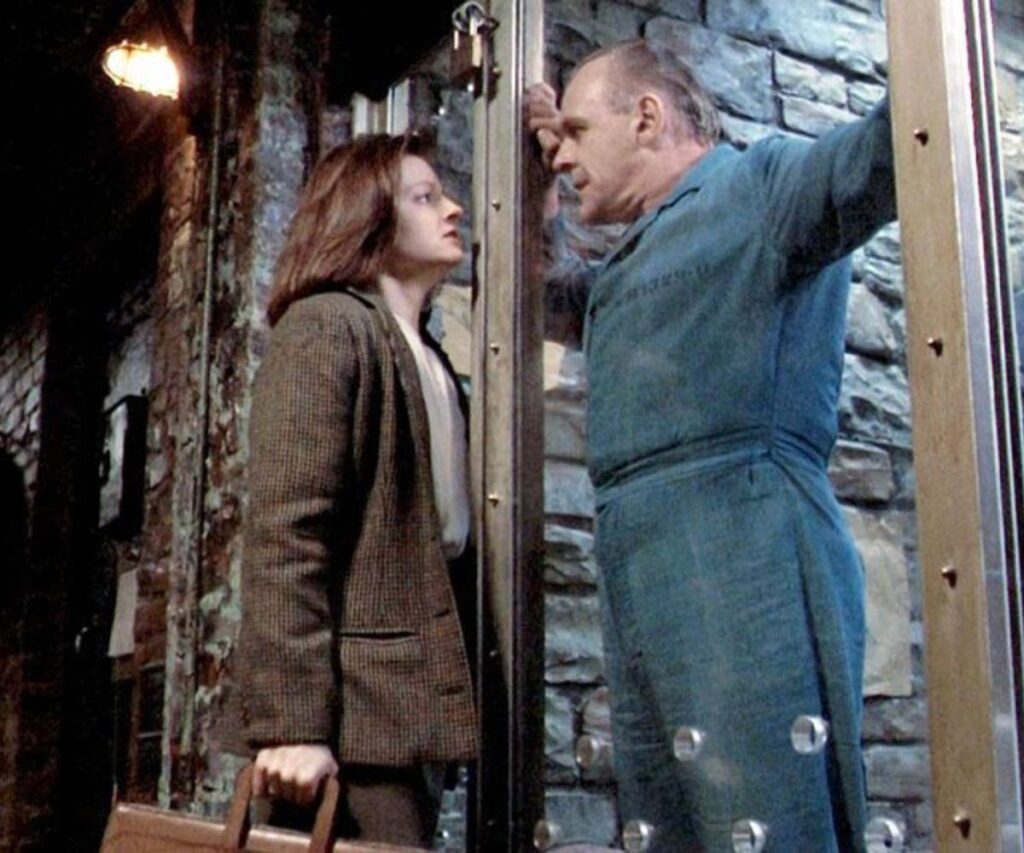
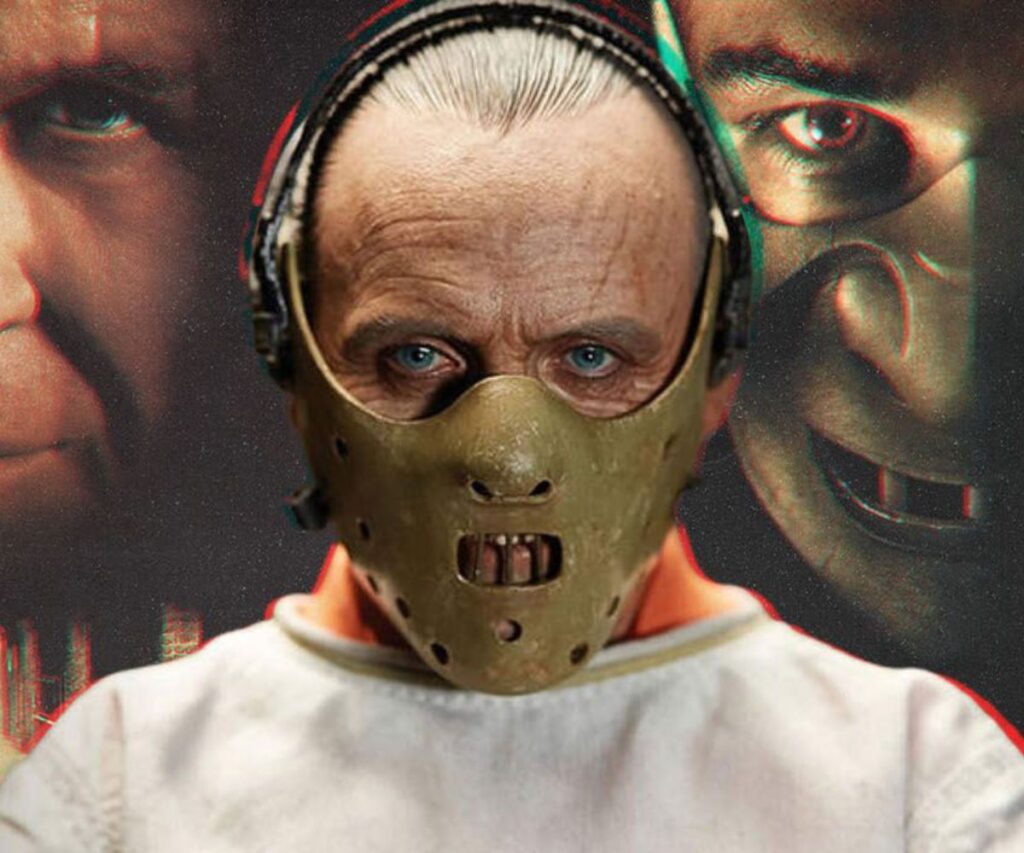
Anthony Hopkins Hannibal Lecter in the Silence of the Lambs movie (1991) crystallized the character’s iconography permanently through Oscar-winning performance that emphasized predatory stillness over theatrical villainy. Director Jonathan Demme’s visual choices—the restraint mask, glass cell, institutional green lighting—created gothic aesthetics instantly recognizable worldwide. Hopkins delivered Lecter’s cultured menace through subtle facial movements and unsettling calm, making his sixteen minutes of screen time feel omnipresent throughout the film. The psychological crime drama became cultural phenomenon, sweeping major Academy Awards and cementing Lecter in mainstream consciousness.
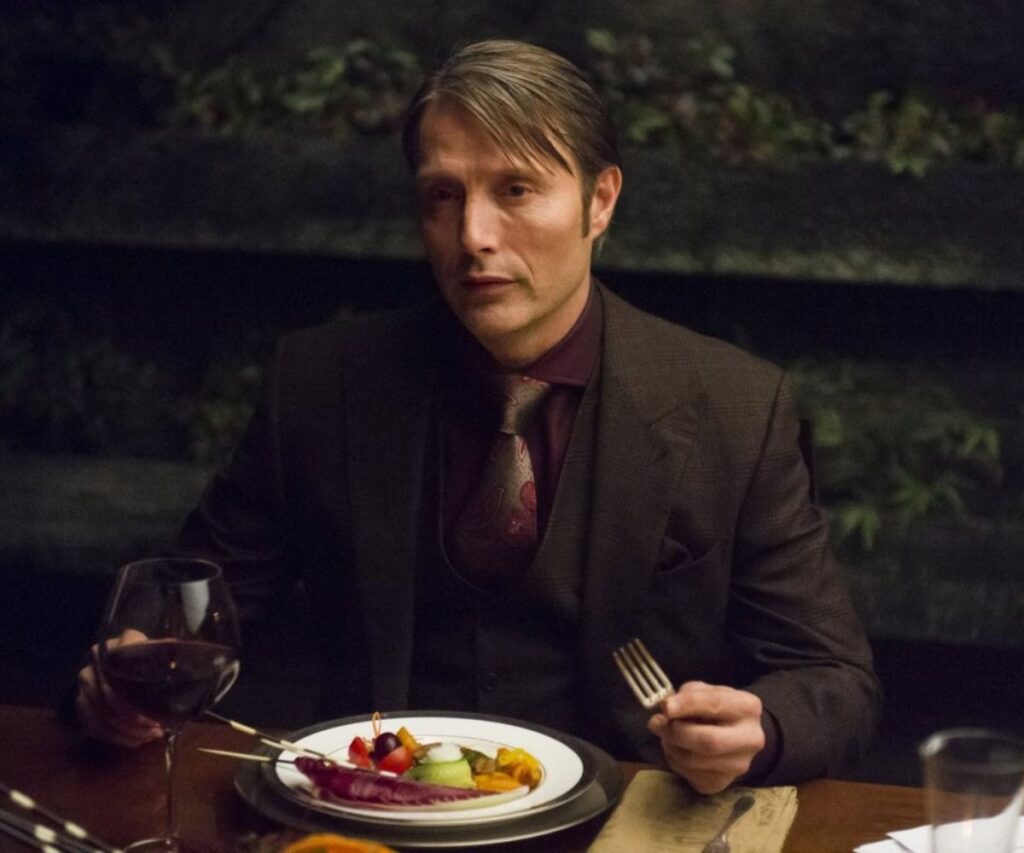
Mads Mikkelsen Hannibal reimagined this beautiful nightmare for the Hannibal TV series NBC (2013-2015) through Bryan Fuller’s emphasis on visual artistry and macabre beauty. Each murder scene became Renaissance painting, emphasizing artistic violence over graphic gore. Mikkelsen portrayed Lecter before imprisonment, functioning in society as successful psychiatrist whose dinner parties featured unknowing cannibalism. This version explored the refined monster trope with unprecedented depth, examining how such predators hide in plain sight. The show’s cancellation after three seasons disappointed fans but solidified Lecter’s position in modern gothic fiction through both interpretations—Hopkins’s caged predator and Mikkelsen’s gentleman killer.
| Aspect | Anthony Hopkins (Film) | Mads Mikkelsen (TV) |
|---|---|---|
| Setting | Imprisoned | Free in society |
| Approach | Theatrical menace | Quiet sophistication |
| Visual Style | Institutional Gothic | Artistic elegance |
| Time Period | 1990s | 2010s |
Hannibal Lecter’s Legacy in Gothic Literature and Modern Horror
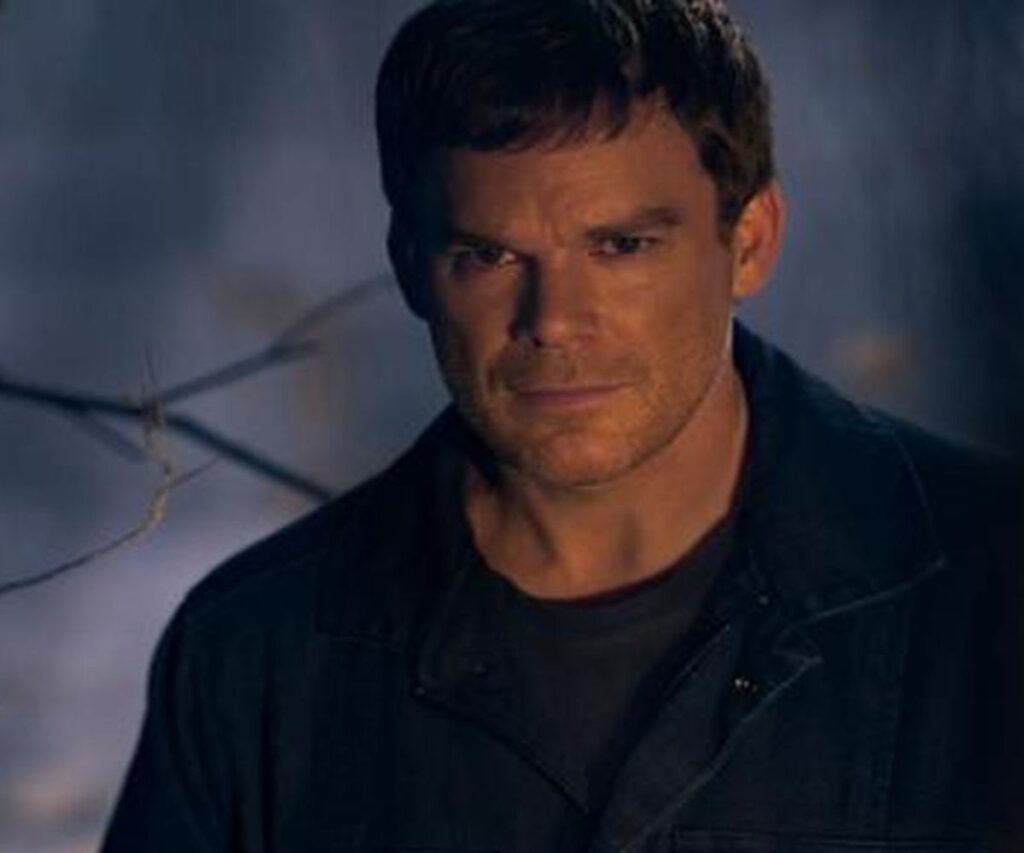
Lecter established the sophisticated villain template countless successors have attempted replicating across film, television, and literature. Characters like Dexter Morgan combine intelligence with killing, Villanelle from Killing Eve merges charm with assassination, and Professor Moriarty reimaginings emphasize cultured criminality—all following patterns Lecter pioneered. His influence extends beyond gothic villains into the broader antihero in horror fiction movement where audiences sympathize with monsters, questioning traditional morality through complex character-driven horror that refuses simplistic good-versus-evil narratives.
His lineage connects directly to classic gothic villains through multiple parallels. Like Dracula, Lecter represents aristocratic predator consuming victims, using sophistication and intelligence for seduction before destruction. The Dorian Gray parallel emerges in hidden corruption beneath beautiful surface—Lecter’s refinement masks monstrosity just as Gray’s portrait conceals moral decay. Both characters question whether beauty and evil can coexist, ultimately answering affirmatively. Frankenstein’s creature raises nature-versus-nurture questions Lecter also embodies—Hannibal Rising explores childhood trauma potentially creating the monster, though Harris deliberately leaves causation ambiguous. This positioning within classic horror archetypes while simultaneously transcending them secures Lecter’s literary horror analysis relevance across generations.
Why Hannibal Lecter Is America’s Most Enduring Gothic Nightmare
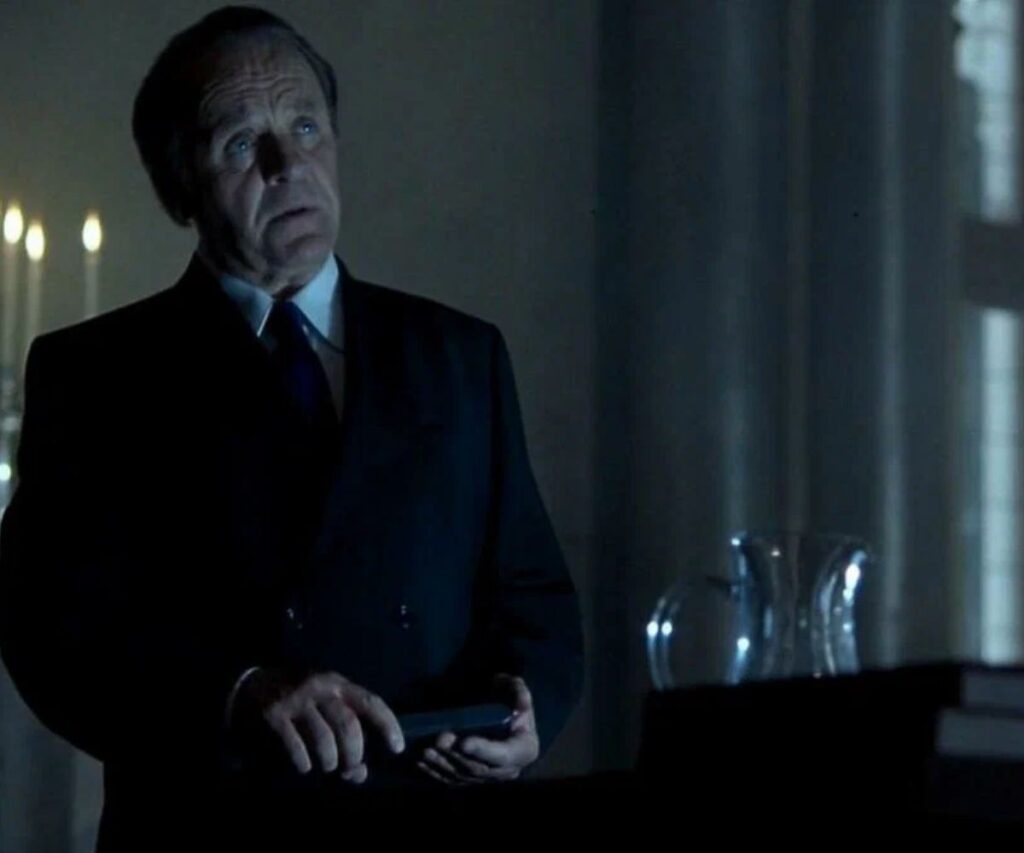
Decades after his literary debut, Hannibal Lecter continues captivating audiences because he personifies timeless fears about intelligence without conscience, refinement without restraint, and monstrosity hiding within respectability. His psychological manipulation abilities remind viewers that greatest threats don’t announce themselves through obvious danger but through charming sophistication that disarms before destroying. The beautiful nightmare he represents—culture and cannibalism intertwined—forces confrontation with uncomfortable truths about human nature’s capacity for moral corruption regardless of education or social standing.
He remains beautiful precisely because he’s nightmarish, forbidden yet fascinating in ways audiences can’t entirely explain or resist. The morally complex villain archetype he pioneered allows exploration of evil without simplistic condemnation, creating narrative depth that rewards repeated examination. Future relevance seems assured because fundamental questions he raises about violence beneath civilization, intelligence’s relationship with morality, and refinement’s potential coexistence with savagery remain perpetually relevant. Thomas Harris created not merely a character but an enduring symbol of American Gothic horror—the sophisticated monster reflecting our darkest possibilities while maintaining undeniable appeal. This paradox ensures Lecter’s position as America’s most compelling beautiful nightmare will endure as long as audiences grapple with civilization’s fragility and humanity’s contradictions.
Frequently Asked Questions
What makes Hannibal Lecter a Gothic villain?
Hannibal Lecter embodies American Gothic literature through his manifestation of hidden evil beneath civilized facades and operation within decaying institutional spaces like Baltimore State Hospital. He transgresses moral boundaries through cannibalism while representing society’s corrupted underbelly, exemplifying gothic symbolism where refinement masks monstrosity. His character explores decay and morality themes central to Gothic tradition, positioning him as modern equivalent of classic monsters like Dracula but grounded in psychological horror novels rather than supernatural elements.
Why is Hannibal Lecter called a “beautiful nightmare”?
The term captures Lecter’s paradoxical nature where Renaissance sophistication coexists with cannibalistic savagery, creating macabre beauty that simultaneously attracts and repulses. He appreciates Bach while consuming human liver, demonstrates dark elegance through cultured conversation preceding murder, and transforms violence into artistic violence respecting aesthetic principles. This cognitive dissonance renders him a refined monster trope whose unsettling elegance makes his monstrosity more disturbing than crude violence, crafting a nightmare audiences find undeniably beautiful despite its horror.
How did Thomas Harris reinvent Gothic horror with Hannibal Lecter?
Thomas Harris modernized Gothic horror literature by transplanting 19th-century Gothic traditions into contemporary FBI procedurals, merging Poe’s psychological intensity with forensic realism. He created character-driven horror emphasizing psychological manipulation over supernatural elements, updating classic horror archetypes for modern audiences. Lecter replaces Gothic castles with asylums, vampiric aristocrats with cultured serial killers, and ancient curses with psychiatric expertise, maintaining thematic complexity around moral corruption while proving American Gothic horror thrives in fluorescent-lit institutions as powerfully as European ruins.
What is American Gothic horror?
American Gothic horror explores darkness beneath civilized society through examination of moral corruption, institutional decay, and hidden monstrosity in contemporary settings rather than ancient castles. It emphasizes violence beneath civilization, isolation and darkness despite populated environments, and fear in modern America regarding corrupted systems people trust. Unlike European Gothic’s supernatural emphasis, American variants ground horror in psychological realism and social critique, questioning American exceptionalism by revealing savagery within refinement. Hannibal Lecter perfectly embodies this tradition through his combination of psychiatric credentials and cannibalistic appetite.
If you’re interested in American Zombies, be sure to check out our American Zombies: From Haitian Folklore to Horror Icons to explore more unique and dark options!

My name is Amanda Lee, and I’m passionate about the gothic lifestyle. I created GothicMood to share my love for dark fashion, beauty, and culture. Here I recommend gothic-inspired products, style tips, and ideas to help others embrace and express their unique gothic identity.