


Goth fashion has a reputation for being expensive. It isn’t. The whole subculture was built by people raiding thrift racks and customizing whatever they could find, and that’s still the cheapest path to a wardrobe that actually looks like you.
This guide covers where to thrift, what to DIY, which fabrics are worth your money, and how to avoid the mistakes that drain a budget fast. No designer labels required.
Why Gothic Fashion Looks More Expensive Than It Is
Crushed velvet, real leather, imported lace. Specialty goth boutiques charge a premium for these, and niche brands often mark up well above what you’d pay for similar materials at a mainstream retailer.
Add international shipping and customs fees on top, and a single piece can cost as much as a full outfit built another way.
Social media doesn’t help. Influencers post elaborate, multi-piece looks built from designer gothic labels, and that becomes the default image of what “doing it right” looks like. It isn’t.
Most goths build their look slowly, piece by piece, from secondhand finds and small projects. The fix isn’t more money. It’s time and strategy.
The Mindset That Keeps Costs Down
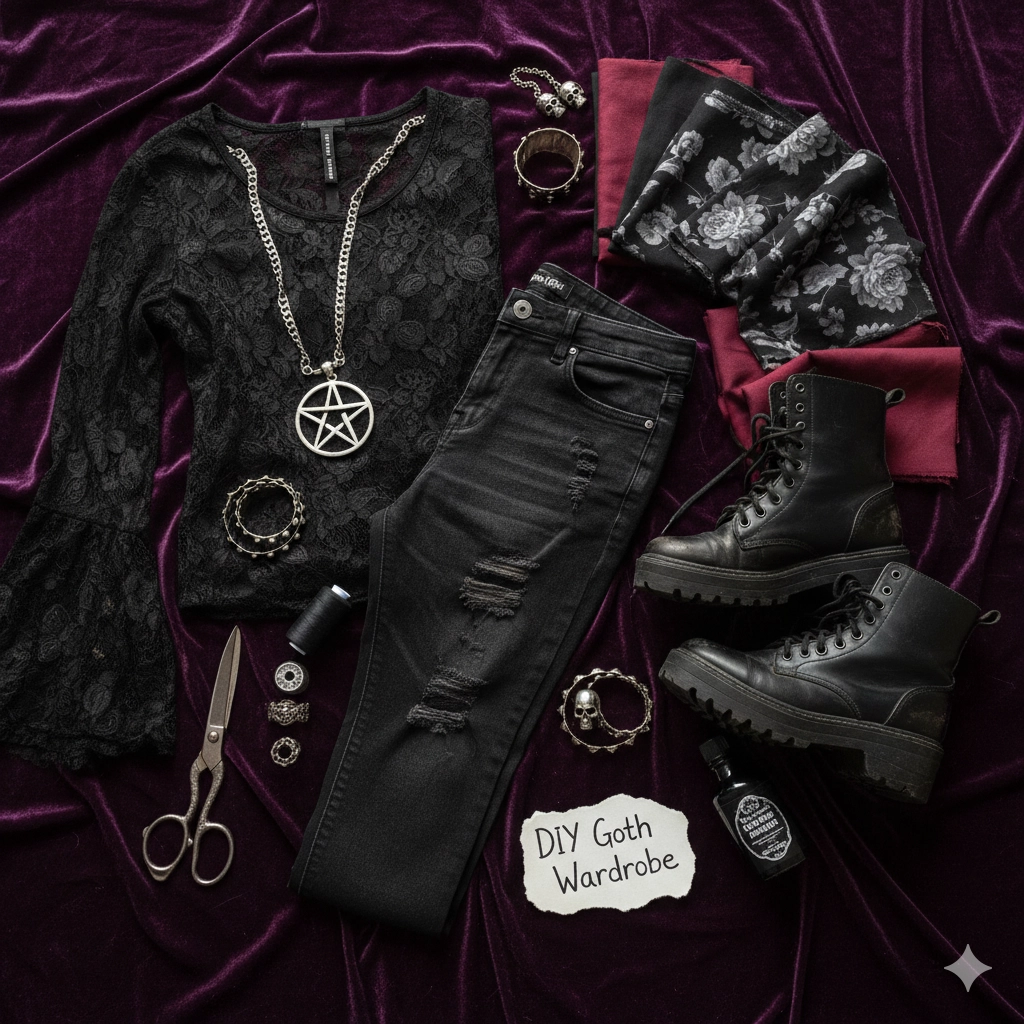
Three habits separate a cheap wardrobe that looks cheap from a cheap wardrobe that looks intentional.
Build around basics. Black jeans, fitted tops, and a solid pair of boots form the core of almost every goth outfit.
Once you own a handful of these, you can remix them endlessly. Layer lace over leather or velvet over mesh, and even plain pieces pick up depth.
Upcycle before you buy. A faded black dress can be re-dyed. An oversized shirt can be cropped or tailored into a tunic. You save money, and you end up with something nobody else owns.
Skip the impulse buys. “Limited edition” drops are designed to create urgency. Plan your outfits first, then buy only what fills a real gap. And when you do buy, choose durability over a lower price tag.
Cheap synthetic fabric pills and fades within a few washes. Cotton blends, velvet, and faux leather cost a little more upfront but last through far more wear.
Mastering Thrift Stores and Secondhand Treasures
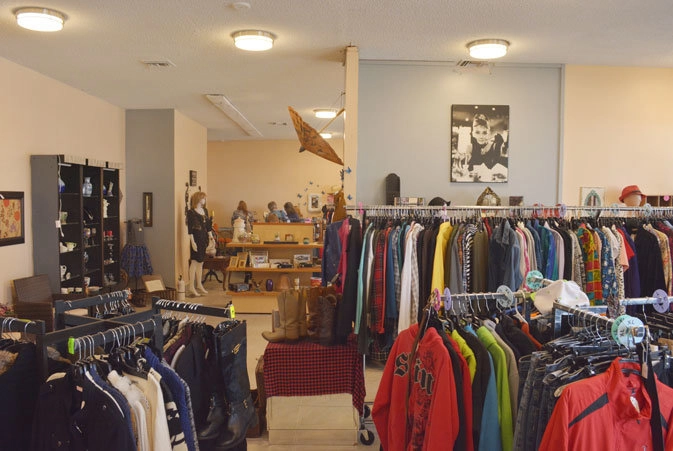
Thrifting is still the single best source for cheap goth pieces, but knowing where and when to look matters.
Goodwill restocks constantly, and Wednesday mornings tend to have fresher inventory than weekends, when most of the good stuff has already been picked over.
Buffalo Exchange pre-filters quality, so you’ll pay a bit more but spend less time digging. Plato’s Closet skews younger and occasionally turns up current alternative brands at a fraction of retail.
Regional chains are worth checking too. Savers has a strong presence in the Northeast with large, organized floors. Value Village covers a lot of ground in the Pacific Northwest.
College towns tend to have better consignment shops and vintage stores, since student turnover keeps donations fresh.
Get to know the staff at your regular spots. Stores that know you’ll buy goth-adjacent pieces will sometimes text you when something relevant comes in, before it ever reaches the floor.
| Platform | Best For | Price Range | Shipping Notes |
|---|---|---|---|
| Nuclear Waste Underground | Unique handmade gothic clothing, dark streetwear | $25–$90 | Ships internationally; handmade items may take longer to dispatch |
| Etsy | DIY goth fashion, vintage corsets, alternative accessories | $15–$100 | Varies by seller; custom pieces often made-to-order |
| Poshmark | Secondhand goth outfits, designer gothic brands | $20–$85 | Flat-rate US shipping; offers negotiation options |
| Depop | Modern thrifted goth fashion, aesthetic streetwear | $15–$60 | Often includes domestic shipping; check seller ratings |
| Killstar | High-end gothic apparel, occult and witchy fashion | $40–$150 | International shipping available; occasional customs fees |
| Disturbia | Alternative goth clothing, punk-goth hybrid styles | $35–$120 | Ships worldwide; free shipping on select orders |
| Hot Topic | Affordable goth basics, band tees, and accessories | $10–$50 | Frequent sales; free shipping promos available |
| Vampire Freaks | Cyber goth, punk, and emo fashion | $20–$90 | Ships from US; bundle discounts and mystery bags available |
eBay deserves a separate mention. Estate sale lots occasionally surface, and those can include genuine 1980s gothic pieces you won’t find anywhere else. If you’re hunting locally, try thrift stores in wealthier neighborhoods first. Donation quality tends to run higher there.
DIY Transformation Techniques That Elevate Budget Pieces
A plain garment is just a starting point. Here’s what to do with it.
Dye is the easiest entry point. RIT DyeMore works well on synthetic fabrics, which make up most modern clothing.
For pattern work, bleach applied with a spray bottle or paintbrush creates striking effects on denim and cotton. Always test on something disposable first. You don’t want to learn the hard way on a piece you actually wanted to keep.
Once you’re comfortable with basics, move into embellishment. Studs and chains on a jacket shoulder need nothing more than a needle, thread, and inexpensive hardware.
Lace or mesh hand-stitched along a collar or cuff turns a plain shirt Victorian. Distressing, done with strategic cuts, sandpaper, and a few wash cycles, looks intentional instead of accidental when you control where the wear happens.
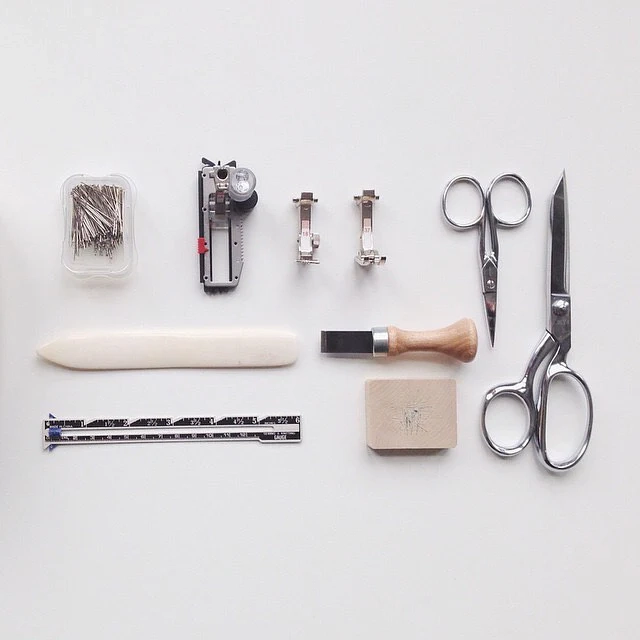
| Tool | Purpose |
| Fabric scissors | Cutting and reshaping garments |
| Needles and thread | Stitching, hemming, resizing |
| Fabric dye | Recoloring or restoring faded pieces |
| Safety pins and studs | Fast custom details |
| Bleach pens or paintbrushes | Fabric design and pattern work |
Stud application tools run under fifteen dollars and give a cleaner finish than hand-pressing. Iron-on patches hide stains while adding visual interest.
For bigger projects, like turning a skirt into a cape or reworking jeans into a corset-style piece, free YouTube tutorials cover the pattern-making basics. And don’t overlook household textiles.
Old curtains, bedsheets, and tablecloths are free fabric, ideal for practice runs. Thrift stores also sell fabric remnants and damaged clothing by the pound, which is cheap enough to ruin without guilt while you’re still learning.
Where to Find Affordable Fabric
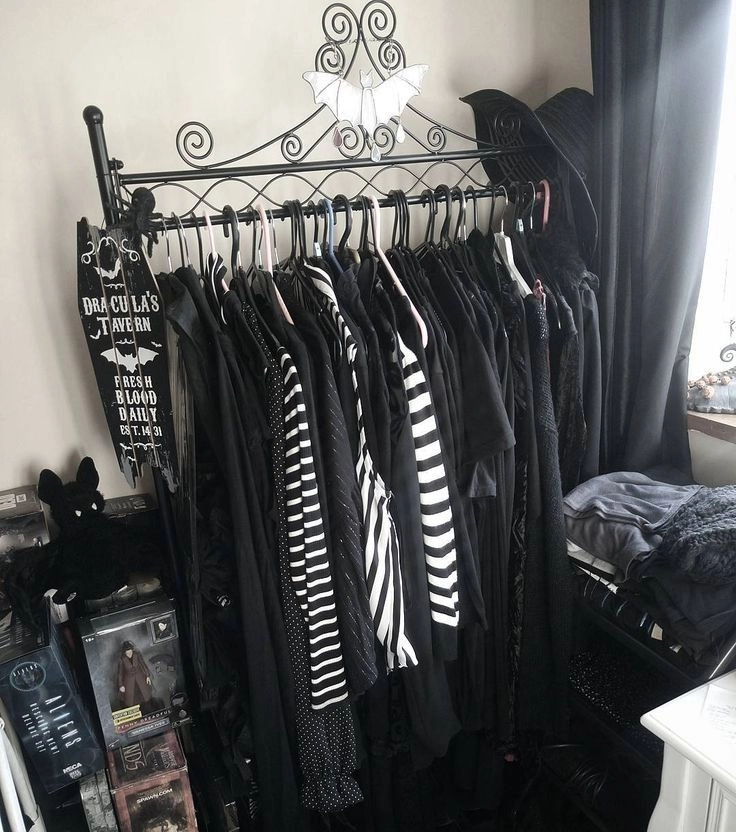
Walmart runs deep clearance and stacking coupons almost every week, and the fabric department stocks basic black, mesh, and synthetic velvet at prices low enough that mistakes won’t hurt.
Hobby Lobby and Michaels carry leather strips, metal findings, and embellishment supplies, usually at 40% off during their frequent promotions.
Remnant bins are worth digging through too. These are leftover cuts sold by weight, too small for full projects but perfect for patches and accents.
For larger projects, Fabric.com and Mood Fabrics sell designer-quality material at lower per-yard prices when you buy in bulk. And Etsy sellers often list vintage lace, antique buttons, and reclaimed leather from estate sales, which adds real vintage character that new fabric can’t fake.
Smart Shopping Strategies for New Goth Pieces
Thrifting and DIY won’t cover everything. Some pieces, like platform boots or structured corsets, are easier to buy new. When you do, comparison shopping pays off.
| Item Type | Regular Retail | Amazon Price |
|---|---|---|
| Lace Floral Mesh Tops | $20 | $15 |
| Budget gothic boots | $65 | $45 |
| Velvet skirt | $45 | $34 |
| Fishnet tights | $12 | $5 |
| Band t-shirt | $28 | $18 |
Prices like these shift constantly, so treat the table as a sense of typical range rather than a guarantee. Large marketplaces like Amazon make it easy to compare prices across sellers in one place instead of checking five different boutique sites, and reviews give you a read on quality before you buy.
That convenience matters, especially for items like boots where fit and durability are hard to judge from a photo. Set price alerts on a wishlist if you can. Black Friday through Cyber Monday tends to bring the deepest markdowns of the year, sometimes 30 to 50% off sitewide.
Building Full Looks Without Spending More
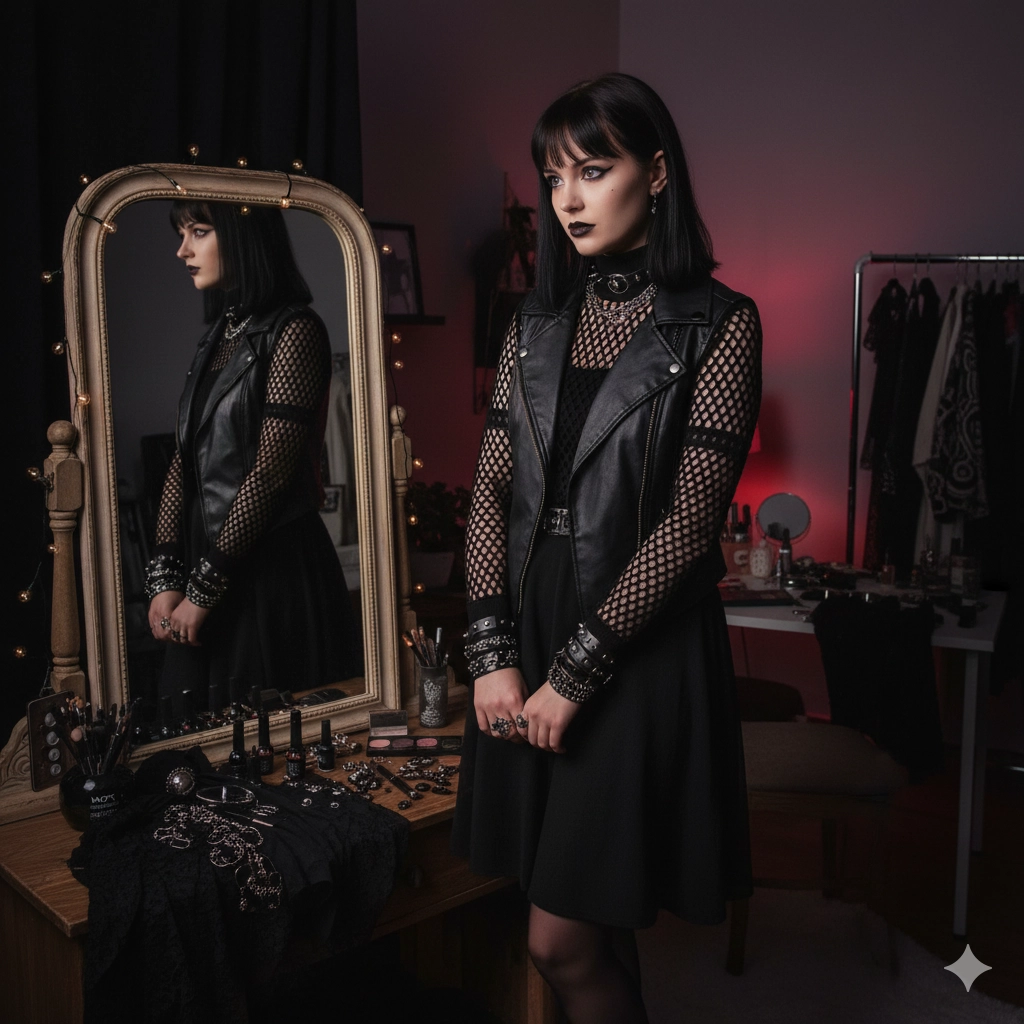
Layering is what makes a small wardrobe look like a big one. One black turtleneck becomes a dozen different outfits depending on what you put over it: a vest, an oversized shirt, a structured jacket.
Mixing textures- mesh against lace against cotton against faux leather- creates depth that photographs well even when every individual piece is simple.
Accessories do a lot of the heavy lifting here, and they’re cheap. Dollar stores carry black chokers, cuffs, and nail polish good enough for a gothic look.
Drugstore brands like NYX, Wet n Wild, and e.l.f. produce dark lipstick and eyeshadow that hold up against far pricier alternatives. Clearance jewelry racks fill with rings, bracelets, and earrings without denting your budget.
Example: A $50 Wardrobe Build
Here’s what that kind of budget can realistically produce, broken down piece by piece.
| Item | Cost | Source | Transformation |
| Black velvet skirt | $10 | Thrift store | Refitted with a lace hem |
| White cotton blouse | $15 | Thrift store | Dyed black |
| Chain necklace | $2 | Dollar store | Painted silver and aged |
| Black boots | $8 | Thrift store | Polished and restored |
| Lace gloves | $15 | DIY fabric | Sewn from leftover lace |
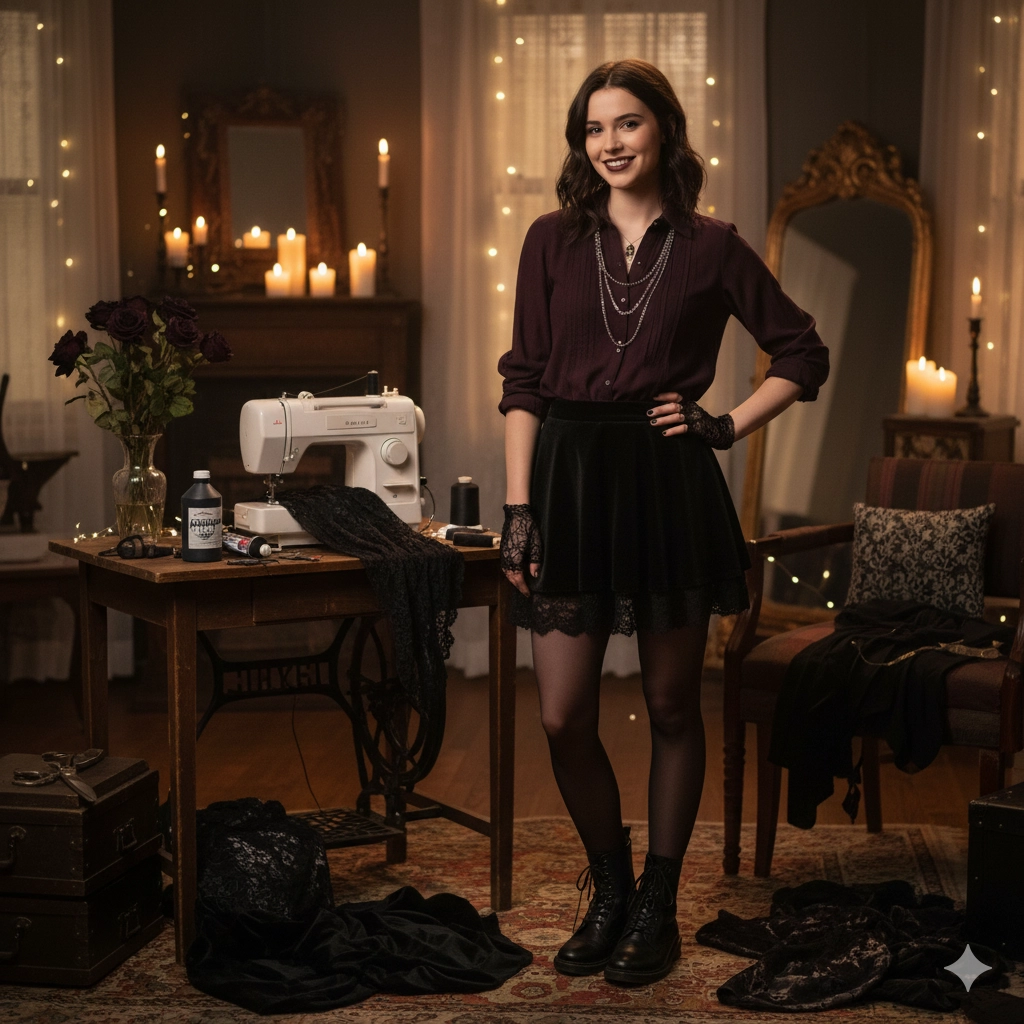
Total cost: $50, for a complete, original outfit. The math holds up because every piece pulls double duty: thrifted base, small DIY upgrade, done. Run the same formula with your own thrift finds and you’ll land somewhere close.
Sustainable Goth on a Budget
Budget shopping and eco-conscious shopping overlap more than people expect. Thrifting, upcycling, and repairing instead of replacing all cut down on fashion waste, and they happen to be the cheapest options too.
Clothing swaps are an underused resource. Get a few people from your local goth scene together and trade corsets, gloves, jackets, whatever’s sitting unworn in someone’s closet.
Nobody spends anything, and you walk away with new-to-you pieces plus a stronger connection to the people you swapped with.
If you’re interested in Goth Subculture Guide, be sure to check out our Goth Subculture Guide: Gothic Fashion, Music, Identity to explore more unique and dark options!
Mistakes That Drain Your Budget
- Buying low-quality synthetics. Fast fashion sites lure you in with rock-bottom prices, then deliver fabric that pills, tears, or fades after a few washes.
- Skipping reviews. Read them before buying from any gothic fashion site you haven’t used before. It saves you from misleading photos and inaccurate sizing.
- Over-customizing delicate fabrics too soon. Practice advanced alterations on cheap thrifted pieces first, not on something you actually care about.
- Skipping fit checks. Always check measurements or a size chart before buying online. Return shipping and restocking fees add up fast.
- Ignoring hidden fees. International shipping and customs duties can double a piece’s real cost, especially for handmade imports.
- Overbuying black basics. Three nearly identical black shirts add clutter, not options. Mixing textures (lace, velvet, mesh, leather) does more for your wardrobe than duplicating the same item.
Goth DIY Shredded Top Tutorial + Thrift Store Vlog
Angela Benedict’s Goth DIY Shredded Top Tutorial and Thrift Store Vlog is worth watching if you want to see this process in action. S
he starts in a thrift shop, picking out oversized shirts and affordable fabric with reworking potential, then shows how to distress and shred a plain top using nothing but scissors and a safety pin.
No sewing machine required, and her styling tips for pairing shredded pieces with layers and accessories are genuinely useful if you’re putting a full look together for the first time.
FAQ
How do I create a goth outfit on a budget?
Start with black essentials from a thrift store: boots, a skirt, a shirt. Add lace, mesh, or velvet accents, then use dye, distressing, or simple embellishments to make each piece feel like yours.
How can I make myself look more gothic?
Focus on dark makeup, layered textures, and a few statement accessories rather than logos or brand names. Lace gloves, a choker, or vintage boots do more work than anything with a designer label.
How do I look goth without wearing black?
Deep jewel tones, burgundy, navy, emerald, carry the same mood as black. Add lace trim, silver jewelry, and dramatic makeup. Texture and contrast matter more than the actual color.
How do I start dressing goth as a beginner?
Keep it simple: black jeans, a couple of DIY touches, a few bold accessories. Look at classic styles like romantic goth or punk goth for direction, then build your own version with thrifted pieces.
What fabrics work best for gothic clothing?
Cotton, polyester blends, and vintage velvet. Cotton dyes and distresses easily. Polyester holds color well. Thrifted wool or velvet coats add texture without much cost.
How much should I budget to start?
Around $30 to $50 for thrifted staples is enough to begin. Add layers and accessories gradually rather than buying everything at once.
Where should I shop for affordable gothic fashion?
Goodwill, Buffalo Exchange, eBay, and Depop for secondhand pieces. Etsy for handmade and vintage items. Dollar stores for jewelry, nail polish, and small accents.
Final Thought
Pick one project. A trip to Goodwill, a stud application on an old jacket, a dye job on a faded shirt. The goth look has always run on resourcefulness, not budget, and every piece you rework teaches you something the next one will need.
Share what you make. Goth clothing is cheap, but you put effort into building it. Other people figuring out the same budget constraints are often the best source of ideas you haven’t tried yet.
If you’re interested in Gothic DIY Dress Up Ideas, be sure to check out our Gothic DIY Dress Up Ideas: Cheap Ways to Transform Your Style to explore more unique and dark options!
Greetings! Very useful advice in this particular post!
It’s the little changes that make the largest changes.
Thanks for sharing!
Love this! As an old school goth (actually old), i was looking for something like this and honestly getting a bit depressed. THANK YOU! This is re-awakening my D.I.Y. instincts. A note on bleach:
Chlorine bleach can continually eat away at the cloth for a long time, basically ruining one’s hard work ruining something the right way! Solution? Yes, literally. A sodium thiosulfate solution. Available from Dharma Trading Co., a great dye resource. AND- When bleach gives your hands that weird, slimey ‘beginning of a mild chemical burn’ feeling, rinse your hands with a splash of ordinary vinegar, any kind, imported balsamic vinegar from Modena will do to impress your rich friends, if you have any. I don’t. Also, chunky round “little kids” (round, ½inch wide ir more) brushes work great for stencilling if you tie a rubber band tightly about ½way down between the ferrule and the tip to keep the bristles tightly compacted.