

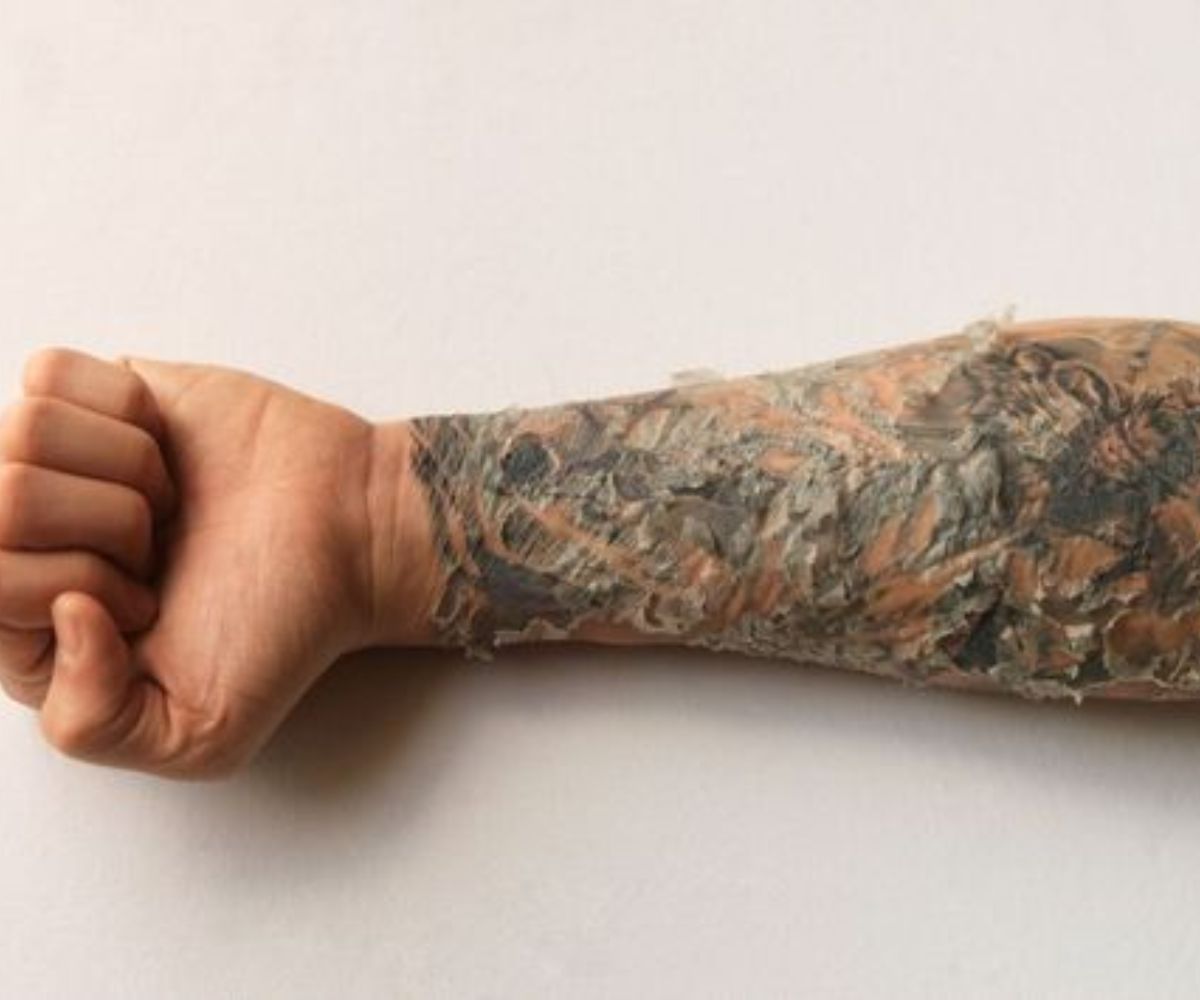
Getting tattooed is the easy part. Healing is where most people go wrong.
The needle does its job in a few hours. Your skin spends the next two to three months finishing the work. What you do during that time determines whether your tattoo looks exactly how it did leaving the shop or ends up patchy, faded, or infected.
This guide covers everything: the four healing stages, what’s normal versus what needs a doctor, aftercare routines, and how long different tattoo types actually take. Read it before your appointment. Read it again after.
Medical Disclaimer: The information in this article is intended for general educational purposes only and should not be taken as medical advice. Tattoo healing times and aftercare needs vary significantly based on skin type, tattoo size and placement, technique, and individual health factors.
If you experience unusual pain, prolonged redness, pus, fever, or any signs of infection, stop following generic aftercare advice and seek guidance from a licensed dermatologist, your tattooist, or a medical professional promptly. Gothic Mood is not a medical authority and assumes no liability for outcomes related to tattoo aftercare decisions made based on this content.
What Affects How Long a Tattoo Takes to Heal?
Not everyone heals on the same schedule. Your coworker’s forearm piece healed in two weeks. Your ankle is still flaking at week four. Both can be completely normal.
Several factors shape your personal timeline.
Skin Type
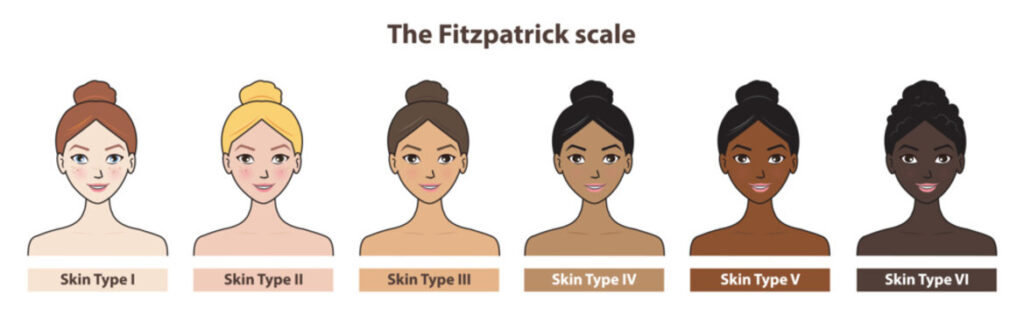
Oily skin produces excess sebum that can trap bacteria under healing scabs. Stay diligent with your washing routine. Dry skin cracks and flakes more aggressively during the peeling stage, so you’ll need to moisturize more often. Sensitive skin reacts harder to the initial inflammation, showing more redness and tenderness that lingers a day or two longer.
The Fitzpatrick skin type scale also matters for how pigment settles. Lighter skin tones (Types I and II) often bruise visibly in the first few days. Deeper tones (Types V and VI) can experience longer-lasting darkening around the tattoo site before it fully clears.
If you’ve historically reacted badly to cosmetics, adhesives, or fragrances, tell your artist before they start. Go fragrance-free and hypoallergenic on every product you use during healing.
Tattoo Size and Placement
Location is everything! Thin-skinned areas heal slowest. Hands, feet, ankles, ribs, behind the ears, all of these sit over less protective tissue, take more friction from daily movement, and have different blood flow patterns than fleshy areas like the forearm or calf.
Large pieces like full sleeves or back panels demand more from your body. You’re asking your immune system to repair multiple square inches simultaneously. That takes longer. Tattoos that wrap around joints face repeated stretching and compression every time you bend your elbow or knee, which stresses healing tissue throughout the day.
| Body Location | Average Surface Healing Time | Full Healing Time | Difficulty Level |
|---|---|---|---|
| Forearm/Calf | 10–12 days | 4–6 weeks | Easy |
| Upper Arm/Thigh | 12–14 days | 5–7 weeks | Moderate |
| Hands/Feet | 14–18 days | 8–10 weeks | Difficult |
| Ribs/Spine | 14–20 days | 8–12 weeks | Very Difficult |
| Joints (elbow/knee) | 16–21 days | 10–14 weeks | Extremely Difficult |
Artist Technique & Needle Depth
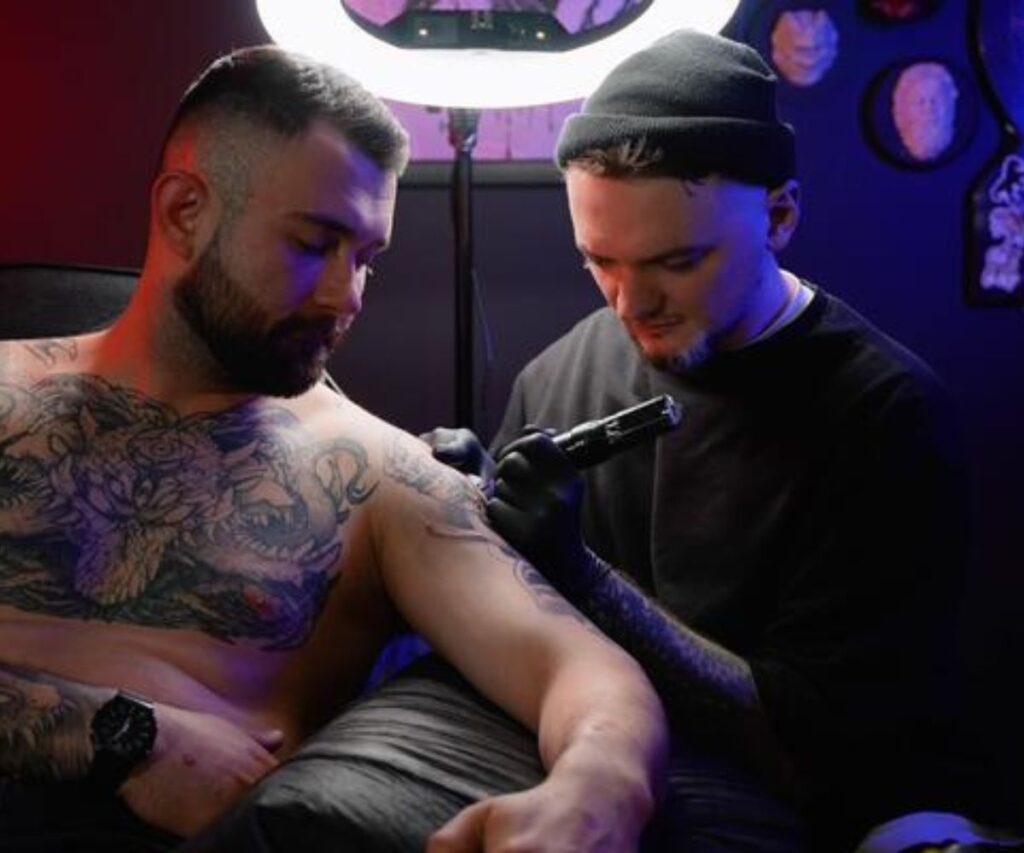
A skilled artist works efficiently. They hit the right depth, don’t overwork any section, and calibrate their machine to your skin thickness. Overworking a spot, going over the same area repeatedly, causes excessive bleeding and prolonged swelling. It damages the skin cells responsible for smooth regeneration and raises your risk of scarring.
Machine type plays a role too. Rotary machines generally cause less irritation than traditional coil machines. Needle configuration matters as well. Single needles for linework create minimal trauma. Magnum shaders used for color packing disturb more tissue. This is why large, heavily shaded pieces take longer to heal than simple line designs.
If your artist rushed or the session felt unusually painful in certain areas, watch those spots. Overworked sections heal unevenly and sometimes develop raised texture.
Your Immune System & Overall Health
Your body runs the entire healing process. If it’s compromised, healing slows.
Chronic conditions like diabetes and autoimmune disorders extend tattoo recovery. Medications including immunosuppressants and steroids have the same effect. Smoking reduces circulation and oxygen delivery to healing tissue. Alcohol thins blood and prolongs initial oozing.
Dehydration slows cellular turnover. Poor sleep disrupts the repair cycles that peak during deep rest. If you’re fighting illness or running on stress during your healing window, expect a longer timeline and more potential for complications.
Protein supports tissue repair. Vitamin C helps collagen production. Zinc speeds wound closure. These aren’t supplements worth adding obsessively, but eating well during the first two weeks genuinely makes a difference.
How Long Does a Tattoo Take to Heal? (The 4 Stages of Tattoo Healing Explained)
Surface healing and full healing are two different things. Most people focus on the first. The second is what actually matters for the long-term appearance of your tattoo.
This post is for general informational purposes only and isn’t a substitute for professional medical advice. Tattoo healing varies by individual, technique, and aftercare. If you notice excessive redness, swelling, oozing, or signs of infection, consult a licensed dermatologist, your tattoo artist, or a healthcare provider rather than relying on this guide alone.
Stage 1 – Inflammation Phase (Day 1–3)
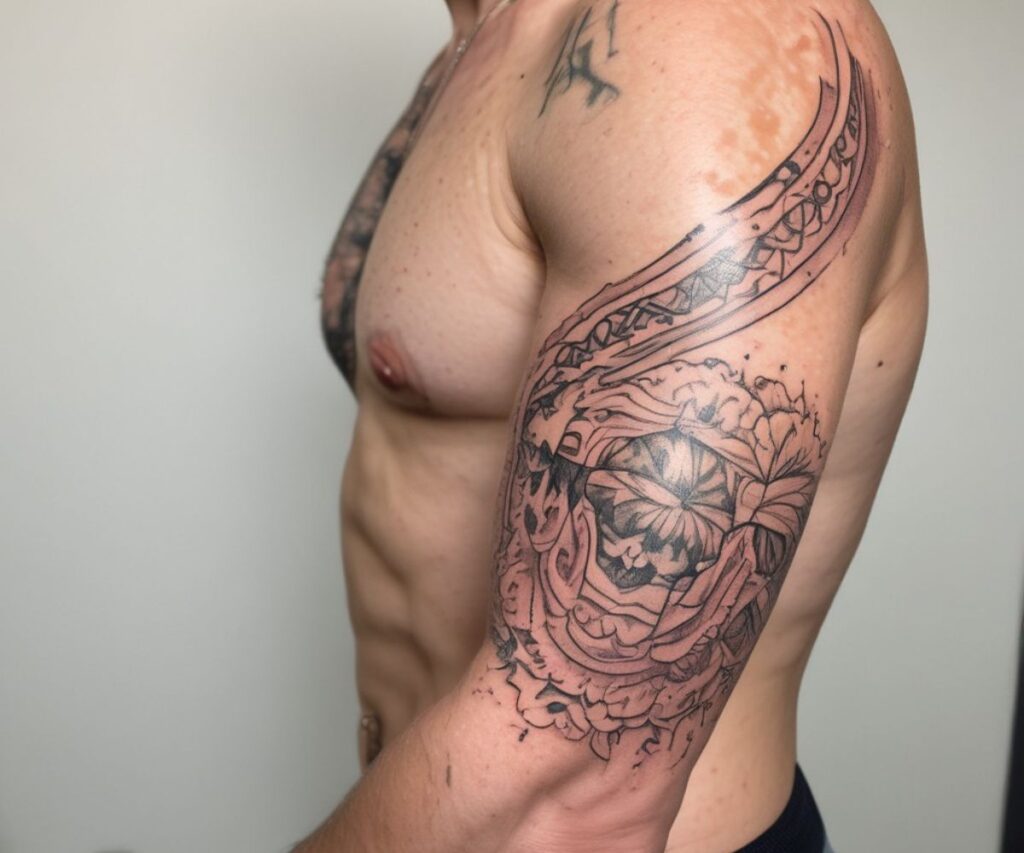
Your immune system responds immediately. White blood cells rush to the wound site. Blood vessels dilate. The tattooed area turns red, swells, and feels warm. You may see clear or slightly cloudy fluid seeping out. All of this is normal.
This inflammatory response prevents infection and clears debris from the needle trauma. It’s supposed to happen.
What’s not normal: redness spreading beyond the tattoo’s borders, pain that worsens after day two rather than improving, or thick, colored discharge.
Normal inflammation peaks on day one or two and then steadily improves. If it’s getting worse on day three, something’s wrong.
Stage 2 – Scabbing & Flaking (Day 4–14)
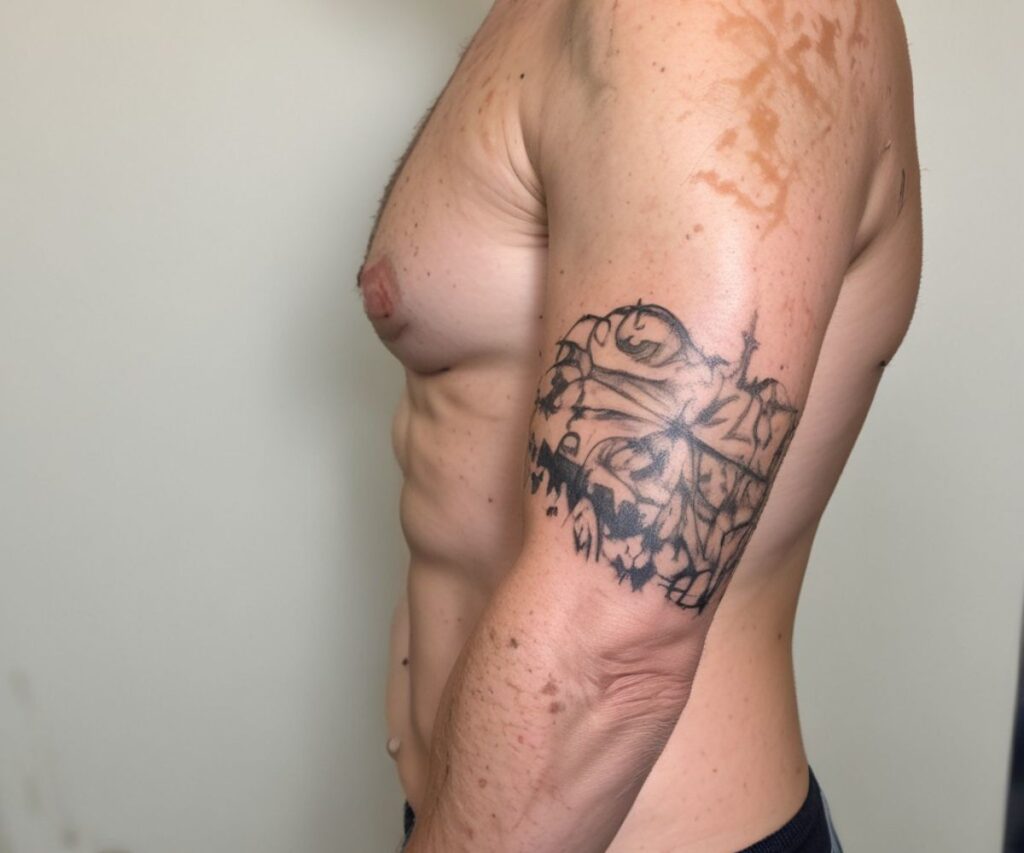
Around day three, thin scabs form across the tattooed surface. Dried plasma, dead skin cells, and excess ink create a protective layer over the new tissue underneath.
These scabs look different from a cut or scrape scab. They’re thinner, more transparent, and sit flat against the skin.
Flaking starts mid-week. Small pieces lift at the edges first, then work inward. How much you flake depends on how well you’ve moisturized and how your particular skin sheds.
Over-moisturizing causes scabs to soften and detach too early. Under-moisturizing causes cracking and excessive peeling.
Do not pick. Not even a little. More on that later.
Stage 3 – Itchiness & Peeling (Week 3–4)
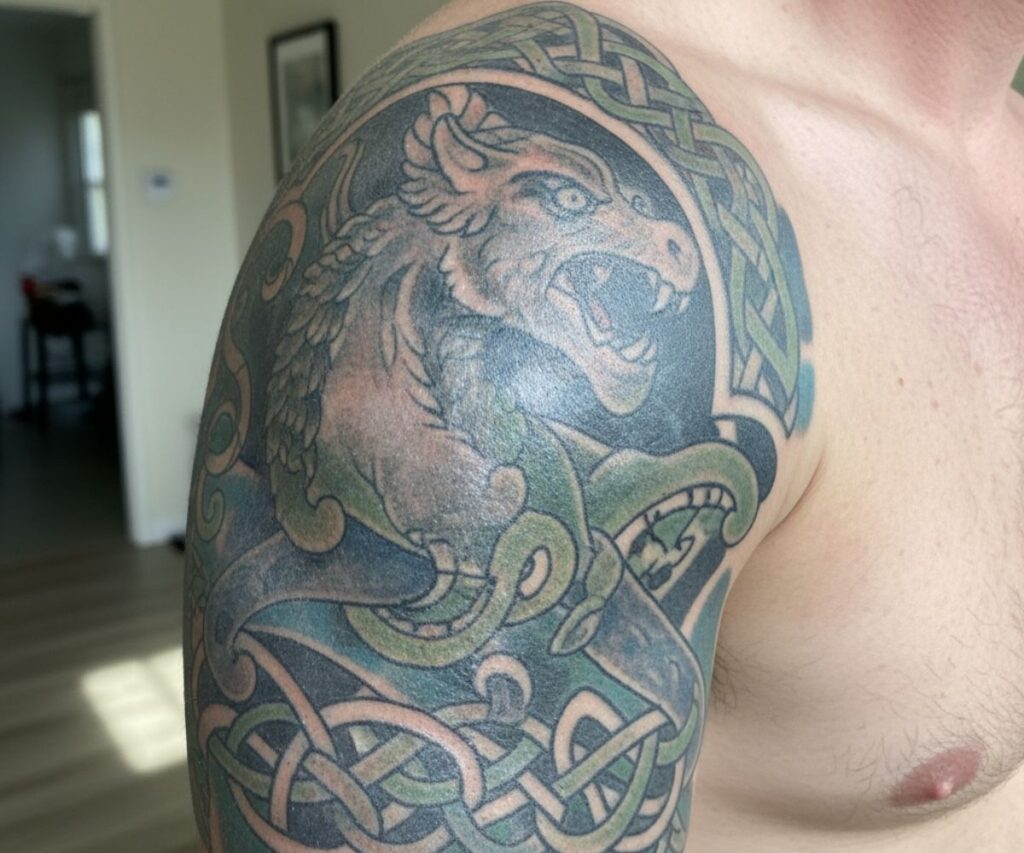
This is the worst week. The itch hits around day seven and stays. New nerve endings regenerating beneath the skin send signals your brain reads as an intense need to scratch.
The peeling that happens at this stage looks dramatic, similar to what happens after a bad sunburn.
Resist every urge to scratch or pick. Pat the area instead. Apply cold compresses.
If you pull off peeling skin before it’s ready to release, you pull out ink with it. That creates permanent light spots in your design that require touch-up work to fix.
Stage 4 – Full Regeneration Phase (Month 2–3)
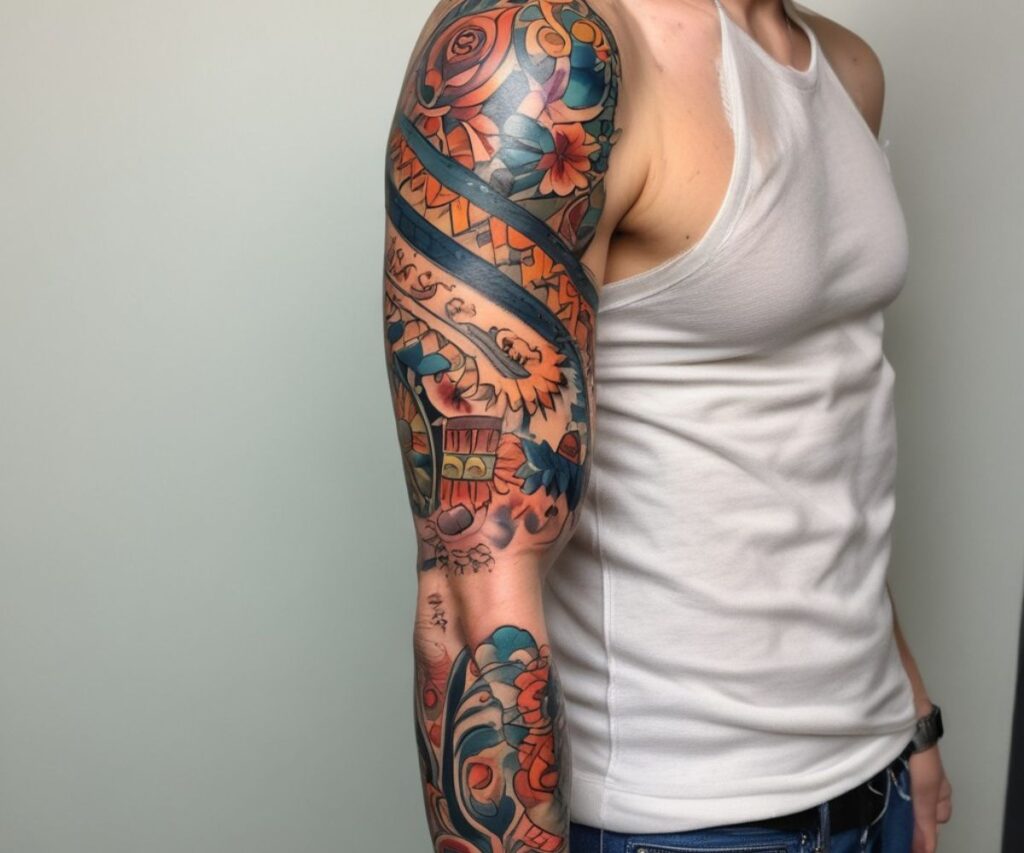
The surface looks healed. The deeper layers aren’t done.
Your dermis continues rebuilding collagen architecture disrupted by the needles for another month or two after the surface clears.
During this time, your tattoo might look slightly cloudy or duller than expected. The colors may seem less vivid than they did fresh. This is called the milky skin stage, and it’s temporary.
By month three, your tattoo reaches its permanent state. This is when you can accurately assess whether any sections need touching up.
What a Normal Healing Tattoo Looks Like
Knowing what’s normal saves you from unnecessary panic and from ignoring real problems.
Normal Redness vs. Infection
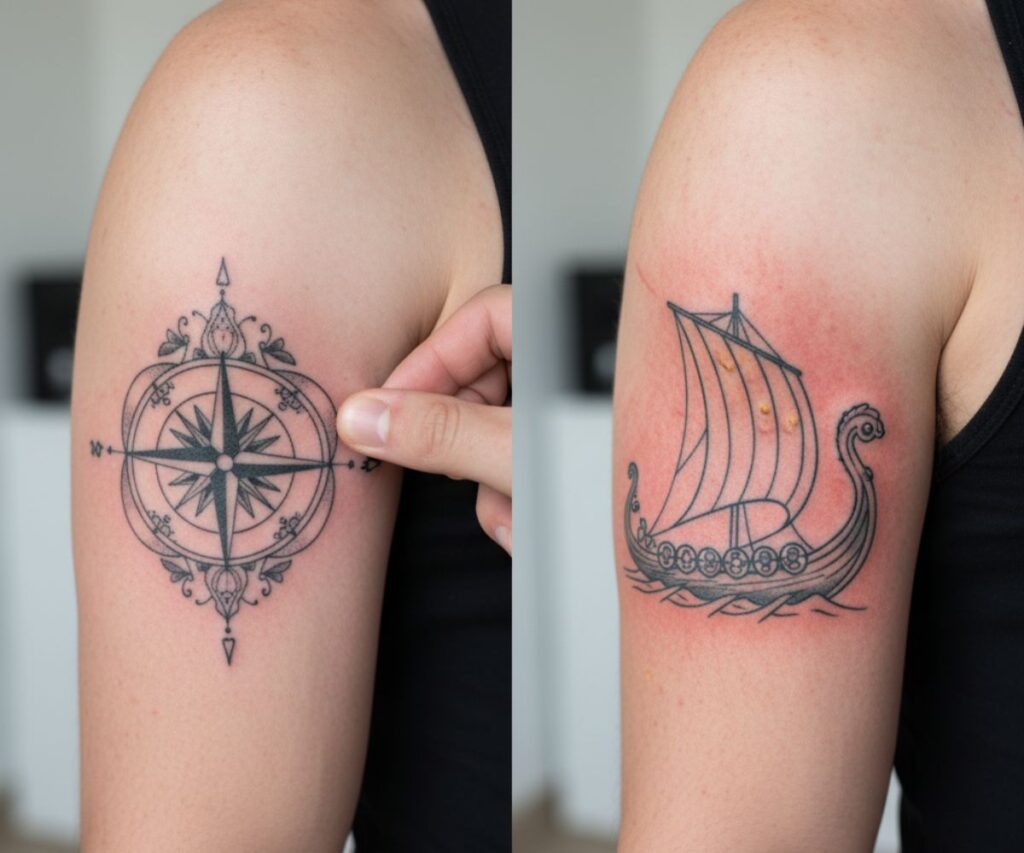
Healthy redness is uniform across the tattooed area. It’s bright on day one, fades to rosy pink over five to seven days, and stays within the tattoo’s borders.
Press gently on the skin. It should briefly turn white and then quickly refill with color.
Infected redness spreads outward in uneven patterns. You may see red streaks radiating away from the tattoo. The skin feels significantly hotter than the surrounding area.
The heat and swelling increase rather than decrease after day two. If the area becomes hard, throbs painfully without being touched, or develops streaks moving toward your body, go to urgent care.
Healthy Peeling vs. Over-Peeling
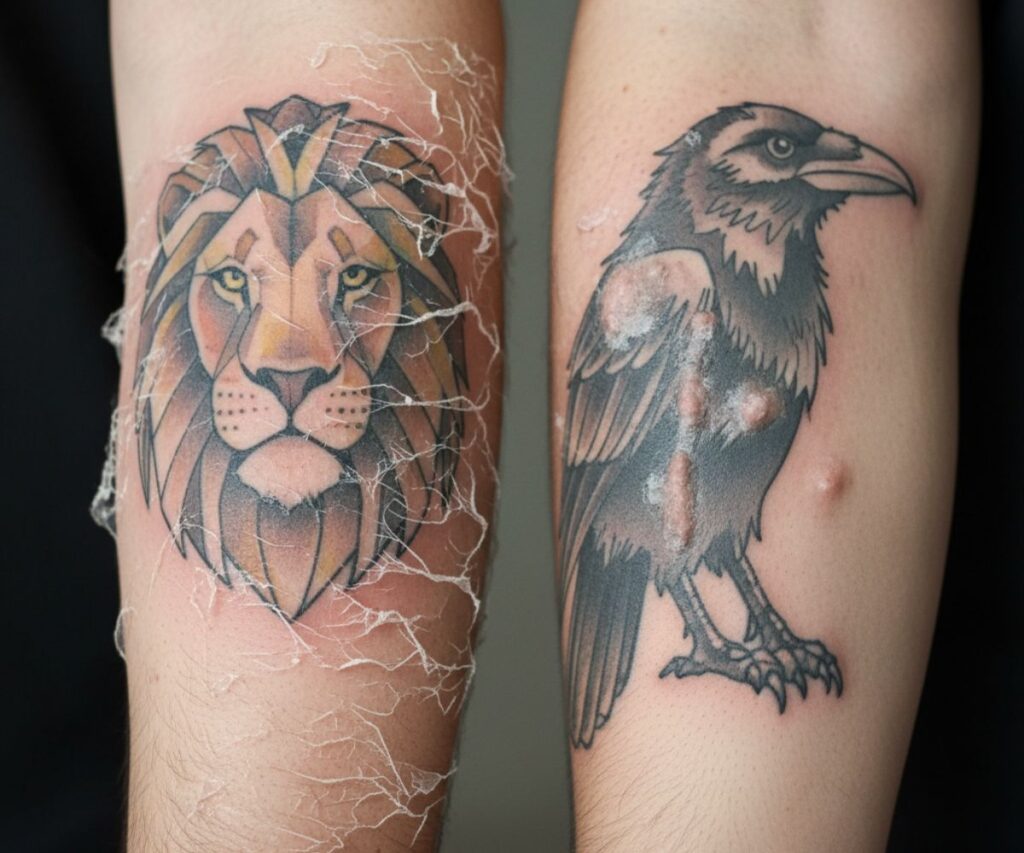
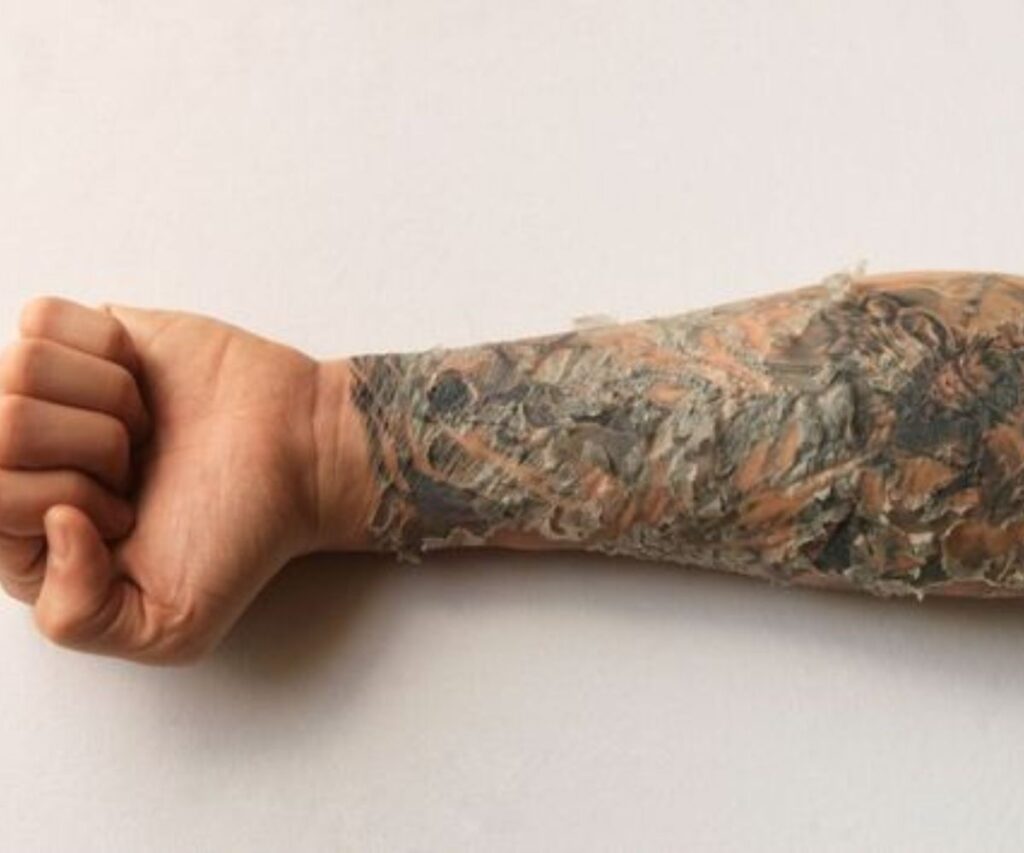
Normal peeling produces thin, tissue-paper flakes that lift easily with no resistance. These flakes sometimes contain faint traces of ink color. Underneath, you’ll see pink, slightly shiny new skin that’s tender but not painful.
Thick chunks of scab pulling away indicate you’ve been over-moisturizing or picking. Removing chunks takes ink with them. If you see bleeding during the peel stage, you’re interfering too much.
Why Your Tattoo Looks Faded While Healing
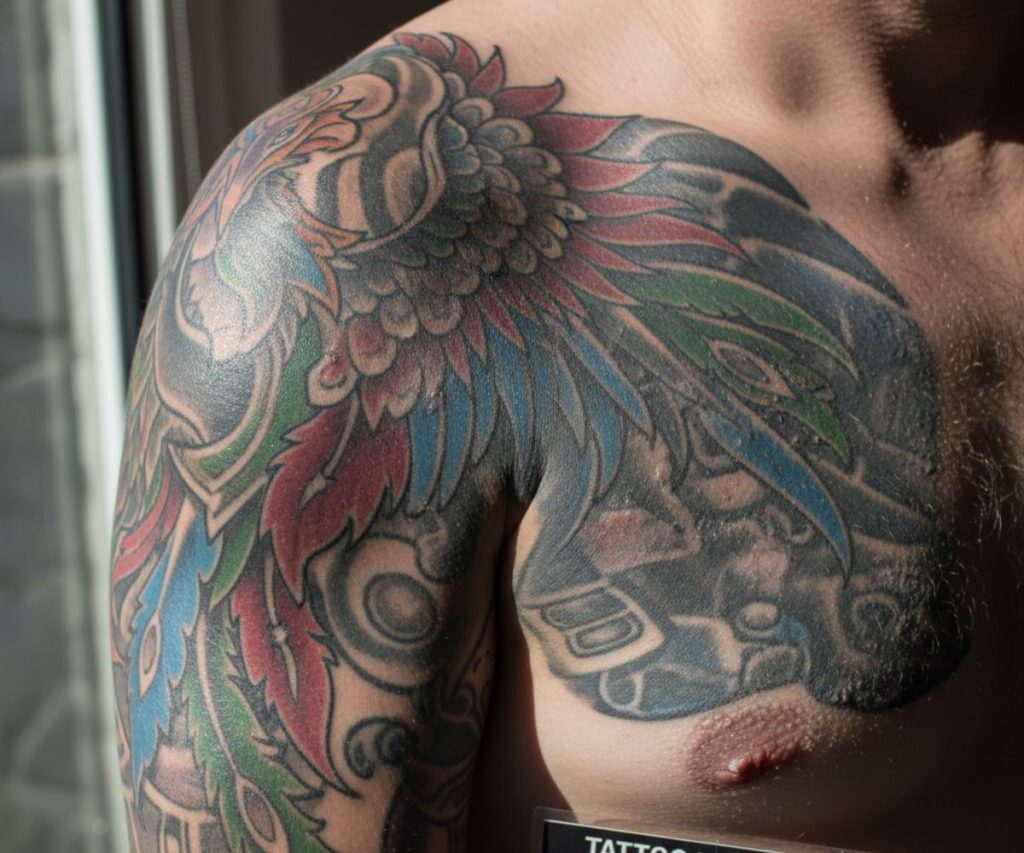
New skin cells forming over the ink create a milky, opaque layer that makes your tattoo look washed out. Black ink might look grayish-blue.
Vivid colors look muted. This is temporary. The new skin thins and clarifies over the following weeks, and your tattoo’s true appearance comes back.
Humid environments tend to produce less dramatic cloudiness. Very dry climates make this stage look more pronounced. Either way, it resolves on its own.
Signs Your Tattoo Isn’t Healing Properly
While most tattoos heal without incident, recognizing signs of a bad healing tattoo early prevents minor issues from escalating into serious complications. When to worry about tattoo healing depends on symptom combinations rather than isolated observations.
I am not a medical professional. It is always best to verify with your artist or dermatologist.
Infection Symptoms
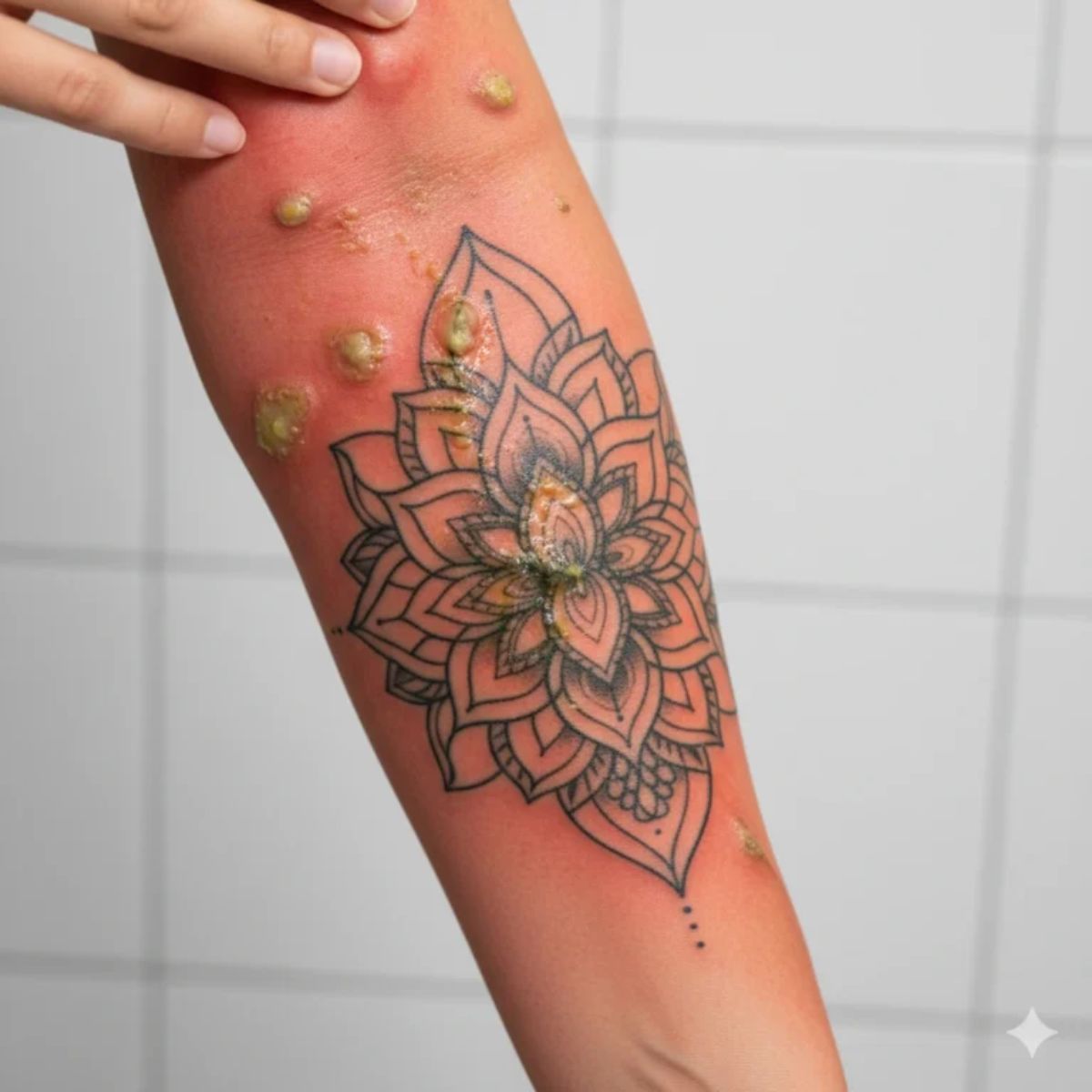
Tattoo infections get worse, not better. Watch for:
- Thick, opaque discharge in white, yellow, or green. Normal fluid is clear or slightly cloudy.
- Foul smell from the tattoo site.
- Redness expanding more than one inch beyond the tattoo’s border.
- Increasing pain after day three rather than decreasing.
- Swelling that worsens on days three or four.
- Fever above 100.4°F (38°C).
- Red streaks moving away from the tattoo site toward your heart.
Any combination of these needs a doctor, not more ointment. Bacterial tattoo infections can escalate fast. Go to urgent care rather than waiting for a regular appointment.
Blowouts, Raised Texture, or Color Loss
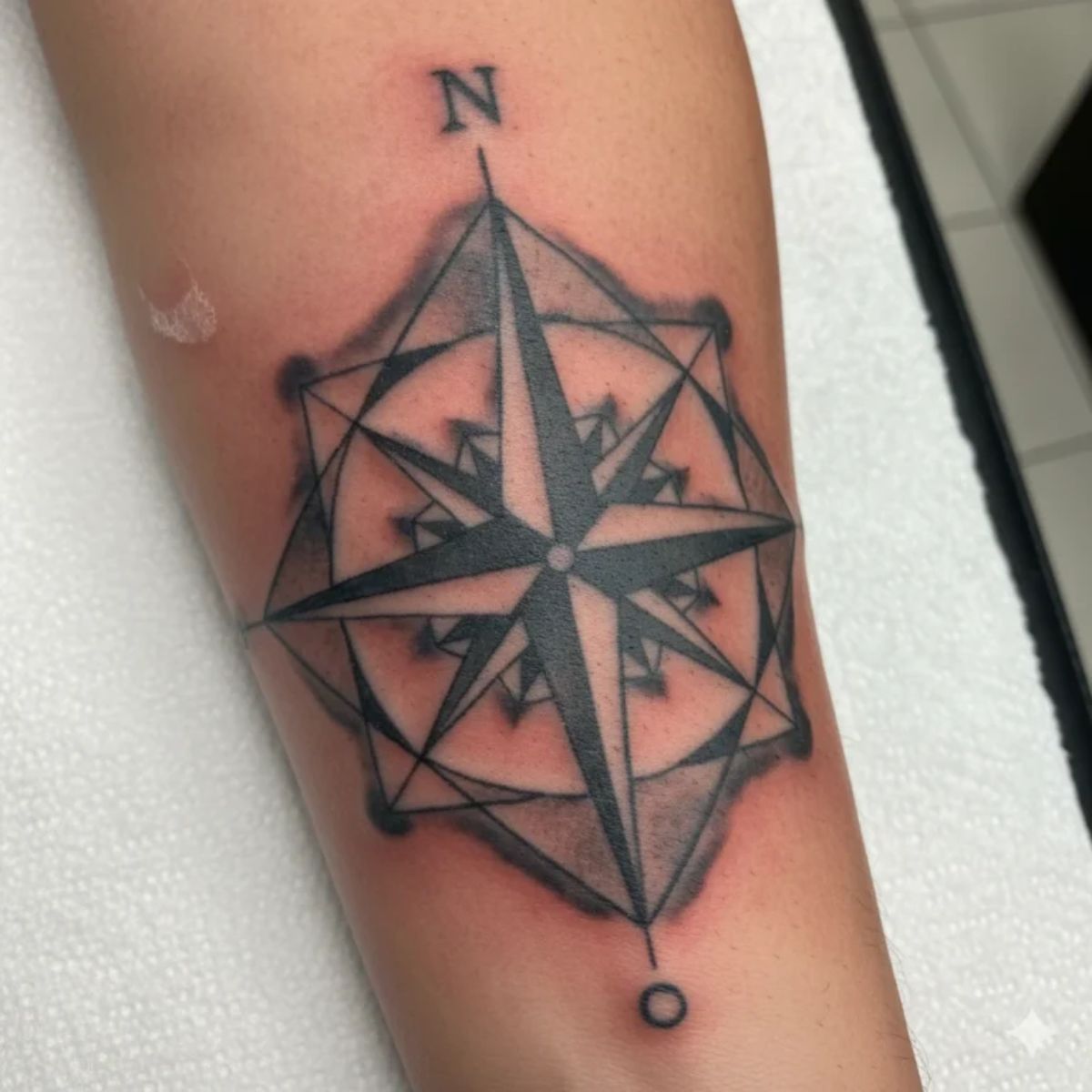
A blowout happens when ink gets deposited below the dermis and spreads into deeper tissue.
You’ll see blurred edges or a shadowy halo around lines. Blowouts show up within the first week and don’t improve on their own. They’re permanent without laser treatment or a cover-up.
Raised bumps after healing can signal scarring from overworked skin, allergic reaction to specific ink colors (red is the most common offender), or granuloma formation.
Patchy areas where color is missing usually mean the ink didn’t saturate properly or you disturbed healing through picking or water exposure.
When to Visit a Doctor?
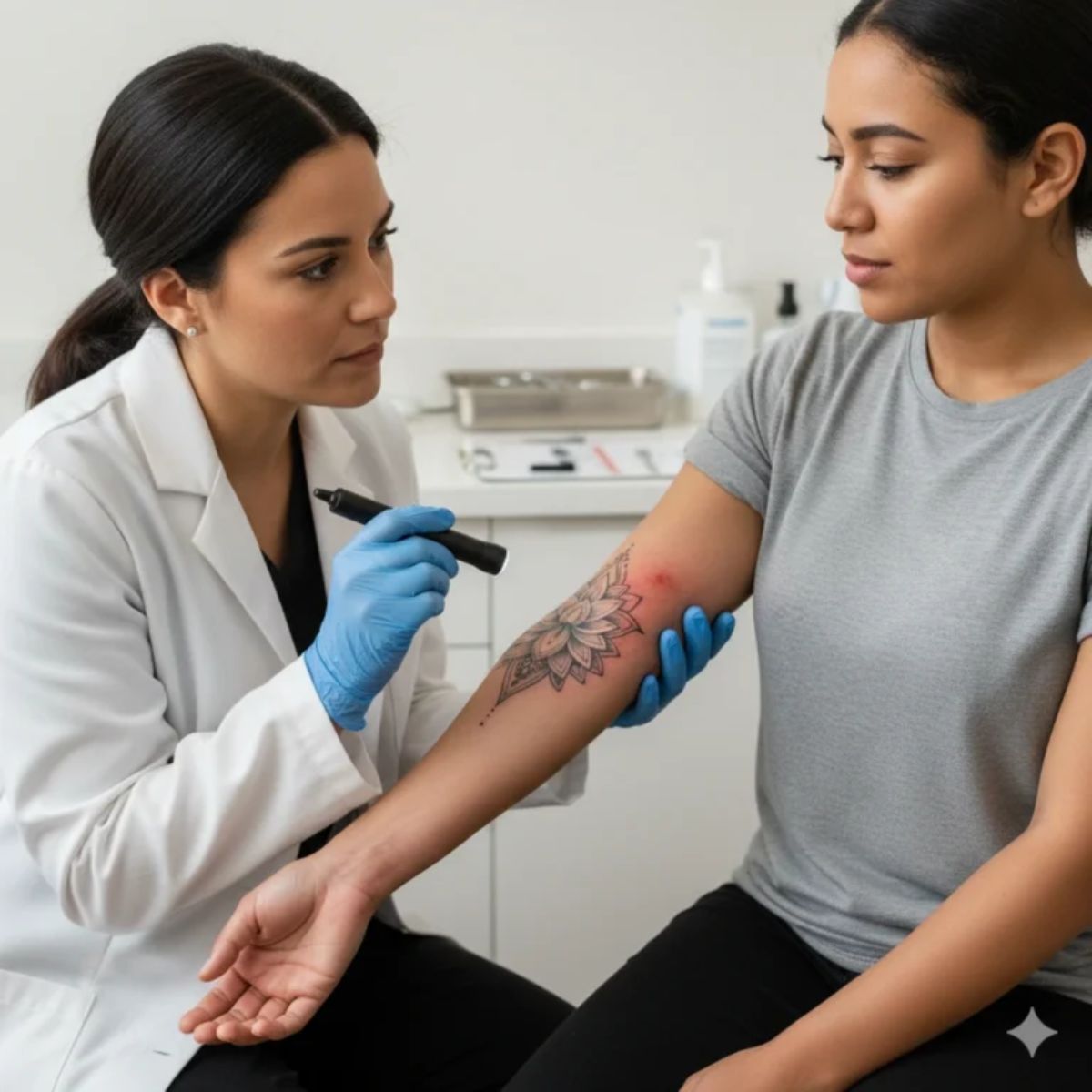
Duration of concerning symptoms helps determine urgency. Redness extending more than 48 hours after initial swelling subsided warrants a call to your doctor. Persistent pain increasing beyond day four signals problems. Any discharge beyond day five needs evaluation. Professional care guidelines (USA context) recommend urgent care visits for suspected infections rather than waiting for regular doctor appointments—bacterial tattoo infections can escalate rapidly.
Dermatologists and infection specialists handle tattoo complications most effectively. Your tattoo artist isn’t medically trained to treat infections, though they can assess whether healing appears normal from an artistic standpoint. Many artists maintain relationships with local dermatologists and can provide referrals if you lack a regular doctor.
Proper Tattoo Aftercare for Fast Healing
Excellence in tattoo aftercare steps dramatically influences healing speed and final quality. Best tattoo aftercare creams matter less than consistent technique and cleanliness. You control the variables determining whether your ink heals beautifully or develops complications. Following tattoo artist instructions precisely during the critical first two weeks prevents nearly all avoidable problems.
Your tattoo aftercare routine requires diligence without obsession. Overwashing causes as many issues as underwashing. Over-moisturizing softens scabs prematurely, while under-moisturizing leads to cracking. Finding the balanced middle path optimizes skin regeneration while minimizing infection risks.
First 24 Hours Aftercare Steps
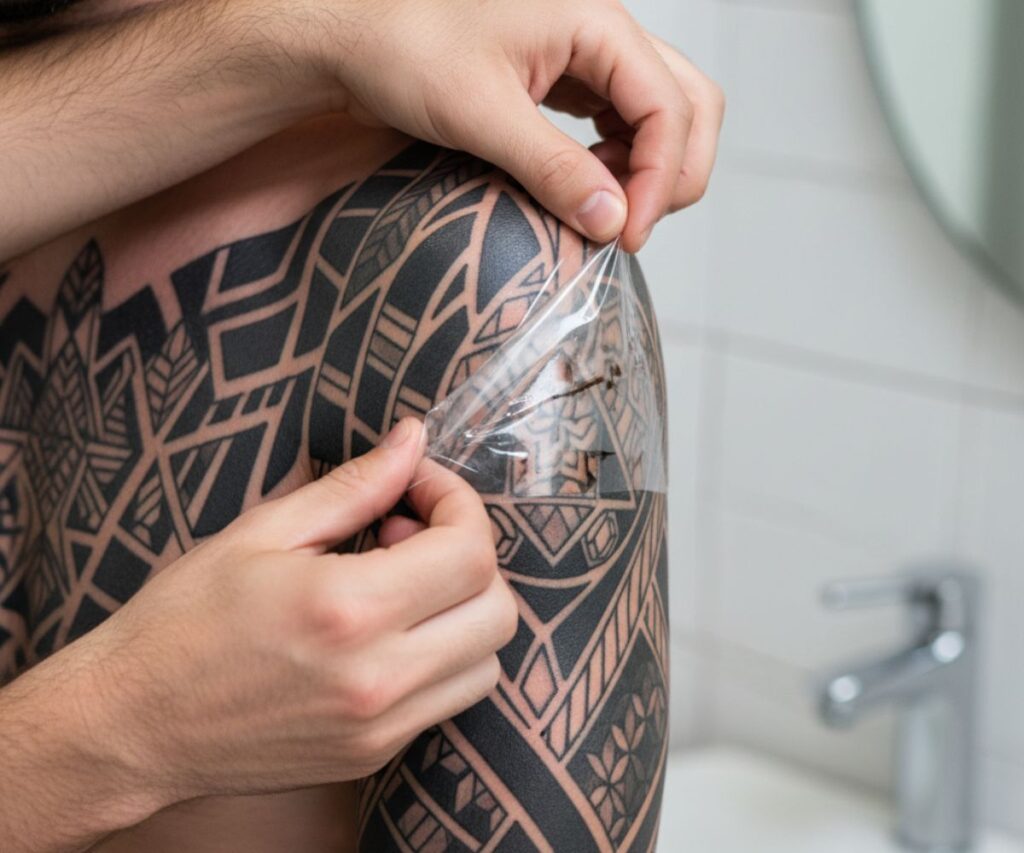
Your artist applies a sterile bandage or medical-grade film (like Saniderm) immediately post-tattoo. Traditional bandages should remain in place 2–4 hours—just long enough for initial plasma discharge to subside.
Film bandages may stay on 3–5 days depending on your artist’s protocol. When removing bandages, wash hands thoroughly first. Peel gently while supporting surrounding skin to prevent tearing healing tissue.
Immediately after removal, washing a new tattoo becomes your primary responsibility. Use lukewarm water and tattoo-safe soap—fragrance-free, dye-free formulas only. Antibacterial options aren’t necessary if you maintain cleanliness.
Gently lather the tattoo with clean hands (never washcloths or sponges), rinse thoroughly, then pat dry with clean paper towels. Cloth towels harbor bacteria even when freshly laundered.
Apply a thin layer of recommended ointment—emphasis on thin. Your first-day wash should occur immediately after bandage removal, then again before bed.
Best Ointments and What to Avoid

Recommended brands include Aquaphor (petroleum-based, excellent for early stages), Lubriderm (fragrance-free lotion for later healing), Hustle Butter (vegan alternative), and After Inked (tattoo-specific formulation). Dermatologist-approved tattoo lotions share common traits: fragrance-free, alcohol-free, hypoallergenic, and non-comedogenic. Many artists recommend starting with petroleum-based ointments for days one through three, then switching to lighter lotions once scabbing begins.
Toxic ingredients to avoid include fragrances (cause irritation), alcohol (overly drying), petroleum-based products with added dyes, lanolin (common allergen), and neomycin-containing triple antibiotic ointments (high allergic reaction rates). Avoid specialized lotions claiming to “enhance color” or “speed healing dramatically”—these marketing gimmicks often contain problematic additives. Basic, boring, unscented products outperform fancy alternatives consistently.
| Product Type | Best Use Phase | Application Frequency | Avoid If… |
|---|---|---|---|
| Aquaphor/Petroleum Ointment | Days 1–5 | 2–3x daily (thin layer) | You’re prone to breakouts |
| Fragrance-Free Lotion | Days 6+ | 3–4x daily | Contains alcohol or fragrance |
| Specialized Tattoo Balms | Throughout healing | 2–3x daily | Contains unfamiliar ingredients |
| Coconut Oil | After full healing | As needed | During active healing (clogs pores |
Activities to Avoid While Your Tattoo Heals
Your new tattoo healing journey demands vigilance. Certain behaviors can sabotage the tattoo healing process entirely, transforming your fresh ink into a disaster zone. Understanding what disrupts skin regeneration helps you sidestep complications that plague countless tattoo enthusiasts.
During the initial tattoo recovery time, your body battles to repair damaged tissue. Interference with this delicate wound healing process can trigger infections, scarring, or permanent ink degradation. Let’s explore which activities threaten your tattoo healing timeline most severely.
Gym workouts & sweating
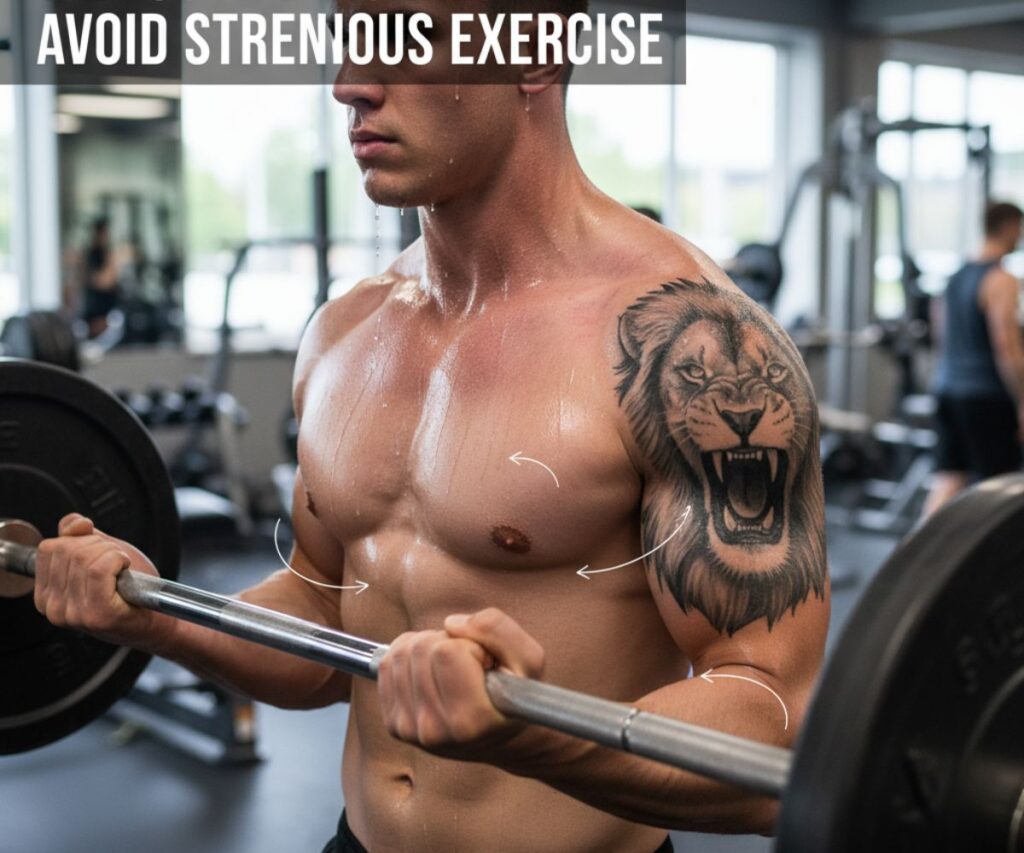
Sweat contains salt and metabolic waste that irritates open wounds. Gym equipment carries bacteria your fresh tattoo doesn’t need. Most artists recommend avoiding strenuous exercise for 48 to 72 hours minimum. The conflict between sweating and healing can persist for up to two weeks.
Wait until the peeling stage is fully complete before resuming intense workouts. Your body is spending real energy on tissue repair. Adding muscle recovery on top of that slows both processes down.
Swimming pools, beaches & baths
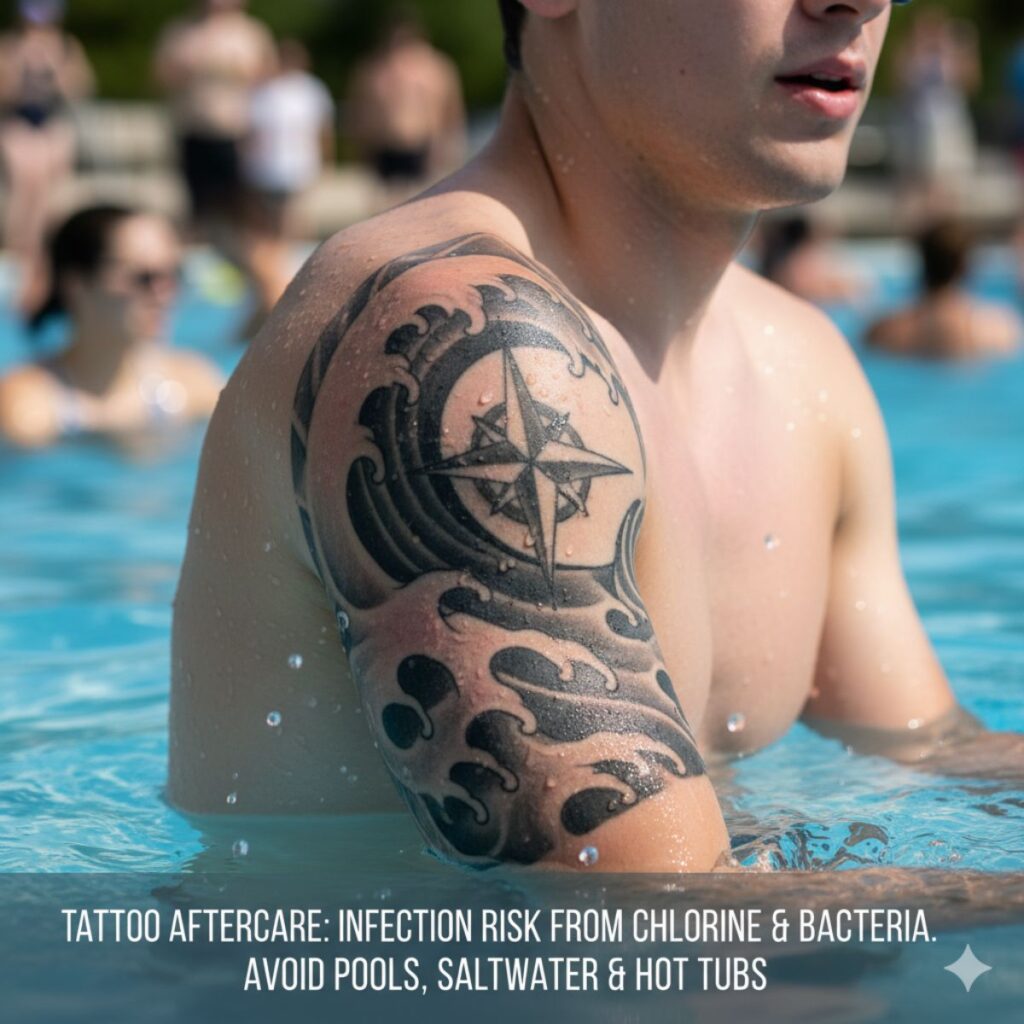
Don’t submerge your tattoo. Full stop.
Chlorine strips moisture and speeds up flaking. Ocean water contains sand particles that scratch healing surfaces. Hot tubs maintain temperatures perfect for bacterial growth. Public pools breed microorganisms that exploit compromised skin.
Wait at least three weeks before swimming. Even after surface healing completes, the deeper layers remain fragile. Premature immersion risks ink spreading beyond intended borders. That damage is permanent.
Sun Exposure
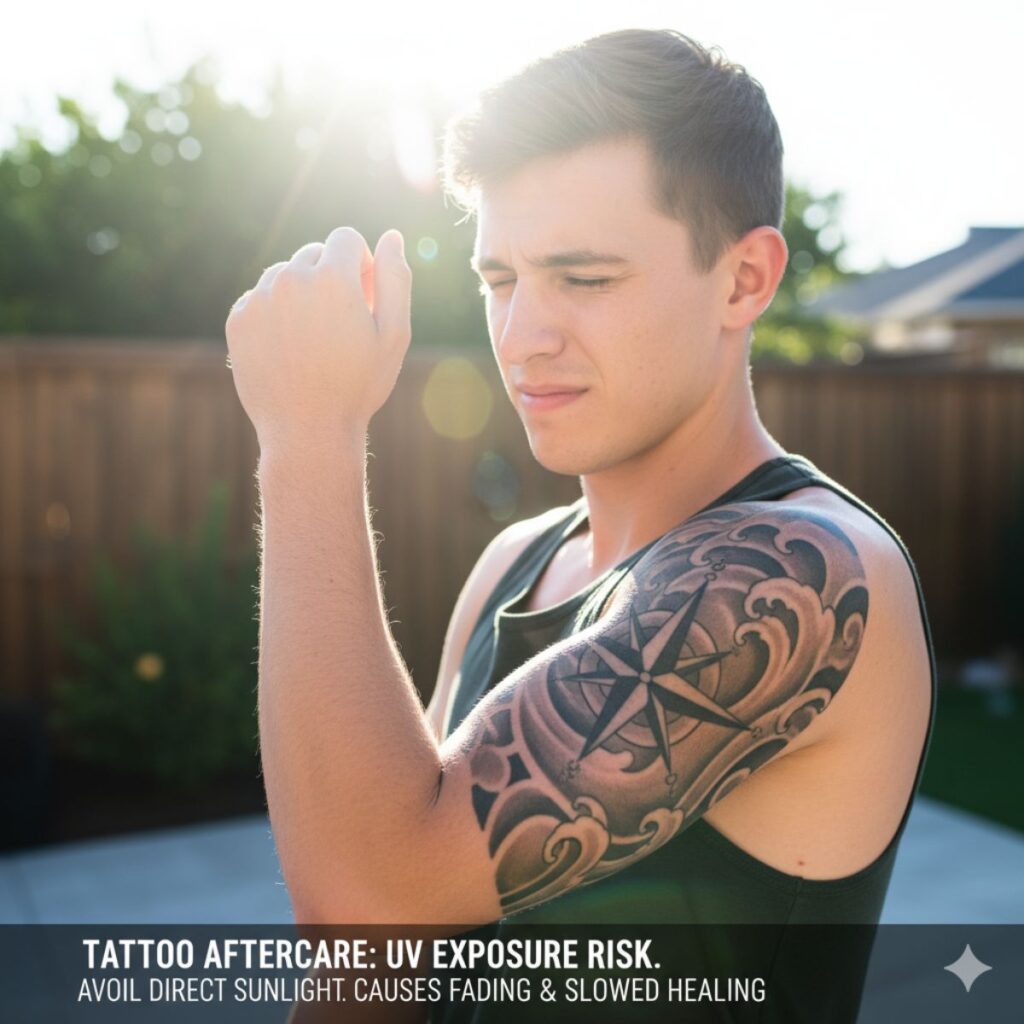
Fresh ink has no melanin protection. Even brief exposure causes disproportionate damage during healing. UV rays degrade ink molecules while slowing cellular regeneration.
Keep your tattoo covered for six weeks minimum. After initial healing, apply SPF 50 or higher sunscreen whenever you’re outside. This preserves color and prevents premature aging that makes tattoos look muddy over time.
Picking scabs or peeling skin
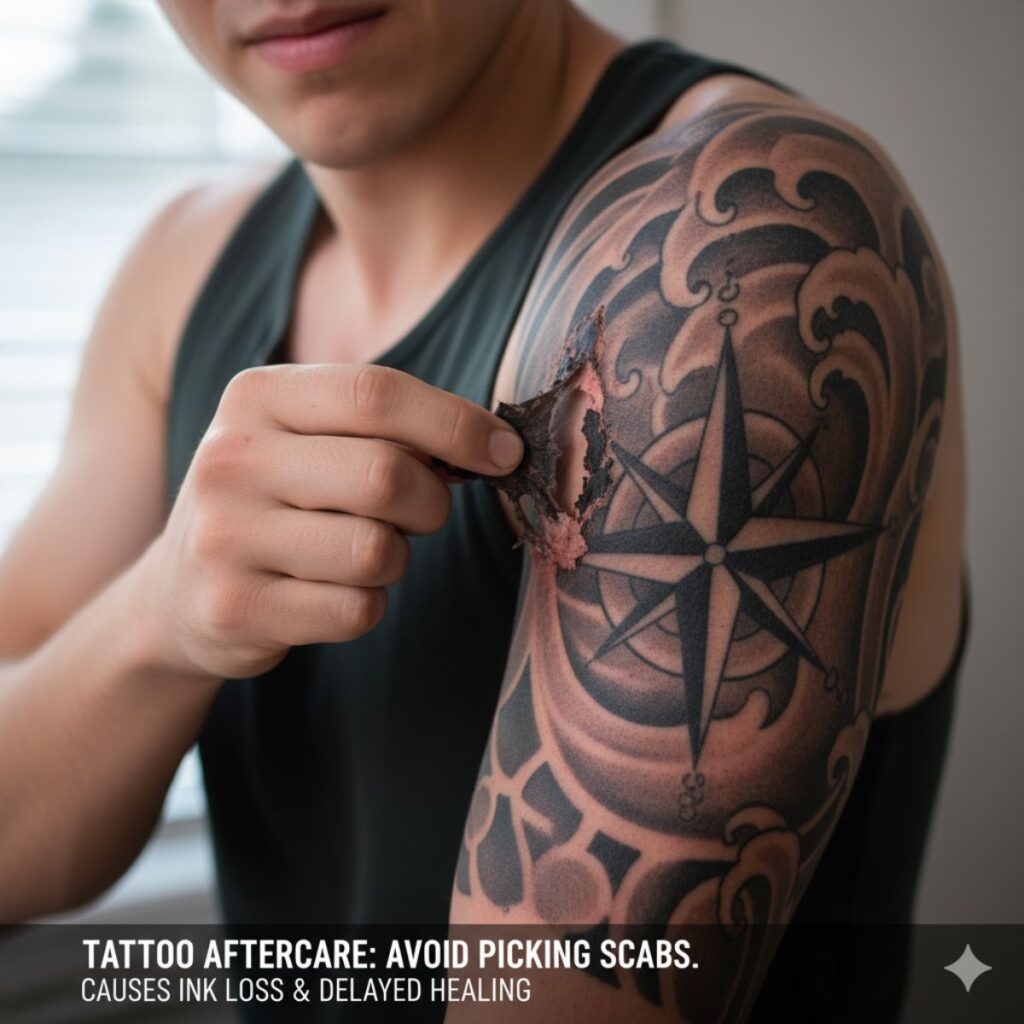
You already know you shouldn’t. Do it anyway and you’ll pull ink out of regenerating tissue, leaving permanent light gaps in your design that need expensive touch-up sessions to fix.
Apply fragrance-free lotion to manage the itch. Pat the area, don’t scratch. If the urge is overwhelming, press a clean cold compress against the skin. Patience here determines whether your tattoo heals flawlessly or needs repair work.
How to Speed Up Tattoo Healing Safely
Accelerating recovery doesn’t mean cutting corners. Strategic interventions support your body’s natural tattoo healing process without compromising quality. These tattoo aftercare steps optimize tissue healing while maintaining ink integrity throughout every tattoo healing stage.
Hydration & nutrition

Drink at least eight glasses of water daily during healing. Dehydration slows cellular turnover and extends your timeline unnecessarily.
Eat protein. Lean chicken, fish, legumes. Protein supports tissue repair more directly than any supplement. Vitamin C accelerates collagen production. Zinc, found in pumpkin seeds and oysters, speeds wound closure. Omega-3 fatty acids reduce inflammation duration.
Avoid alcohol during the first two weeks. It thins blood and prolongs oozing. High-sugar diets promote inflammatory responses that work against your body’s repair efforts.
Choosing the right moisturizer

Simple ingredient lists outperform complex formulas. Look for panthenol (provitamin B5), which attracts moisture and soothes inflammation. Shea butter provides protection without clogging pores. Hyaluronic acid maintains optimal hydration during the regeneration phase.
Avoid fragrance, dyes, petroleum-based products with added color, lanolin, and neomycin. These are the most common irritants in tattoo aftercare products. Boring and fragrance-free is almost always the right choice.
Sleep, hygiene, and lifestyle habits
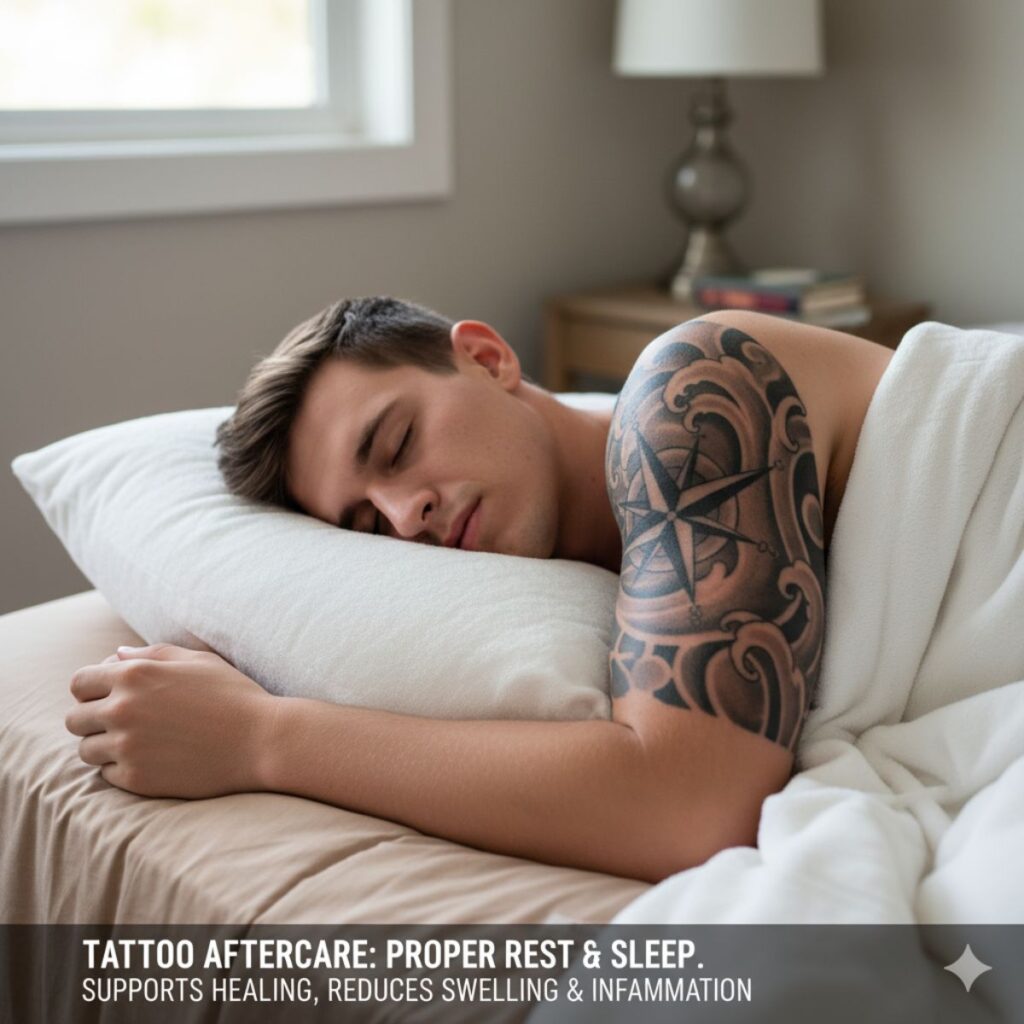
Sleep matters more than people expect. Growth hormone secretion peaks during deep sleep and directly facilitates tissue repair. Aim for 7 to 9 hours nightly, especially during the critical first week.
Change your sheets more often than usual while healing. Use breathable fabrics against the tattooed skin. If the tattoo is on your back or side, try to sleep in a position that keeps weight off it for the first week.
Keep the tattooed area clean and dry between washing sessions. This sounds obvious, but it’s where most people get lazy around day five, right when consistent care matters most.
When Is a Tattoo Fully Healed? (By Tattoo Type)
Tattoo healing time varies dramatically based on design complexity and placement. Understanding these variables sets realistic tattoo healing expectations while preventing panic when your timeline differs from friends’ experiences.
The distinction between superficial and complete healing confuses many. Surface healing (2-3 weeks) doesn’t equal full dermal repair (2-6 months). Until deeper layers regenerate completely, your tattoo remains vulnerable to damage despite appearing healed externally.
Linework tattoos
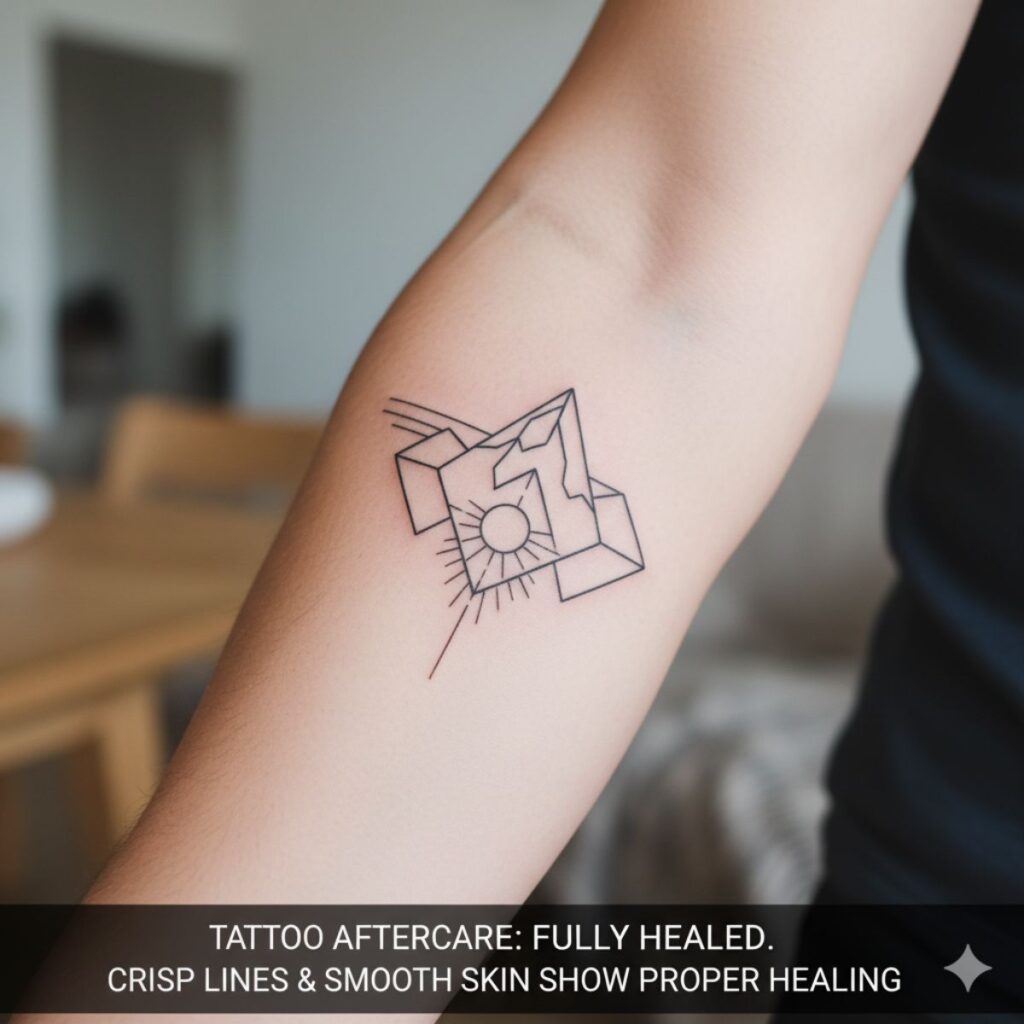
Simple linework heals fastest. Fine needles create less tissue damage than shading techniques. Surface healing typically completes in 10 to 14 days, with full dermis healing by week six. These designs rarely produce dramatic scabbing. Delicate lines do require careful attention, since even minor disruptions can blur crisp edges permanently.
Shaded or color tattoos
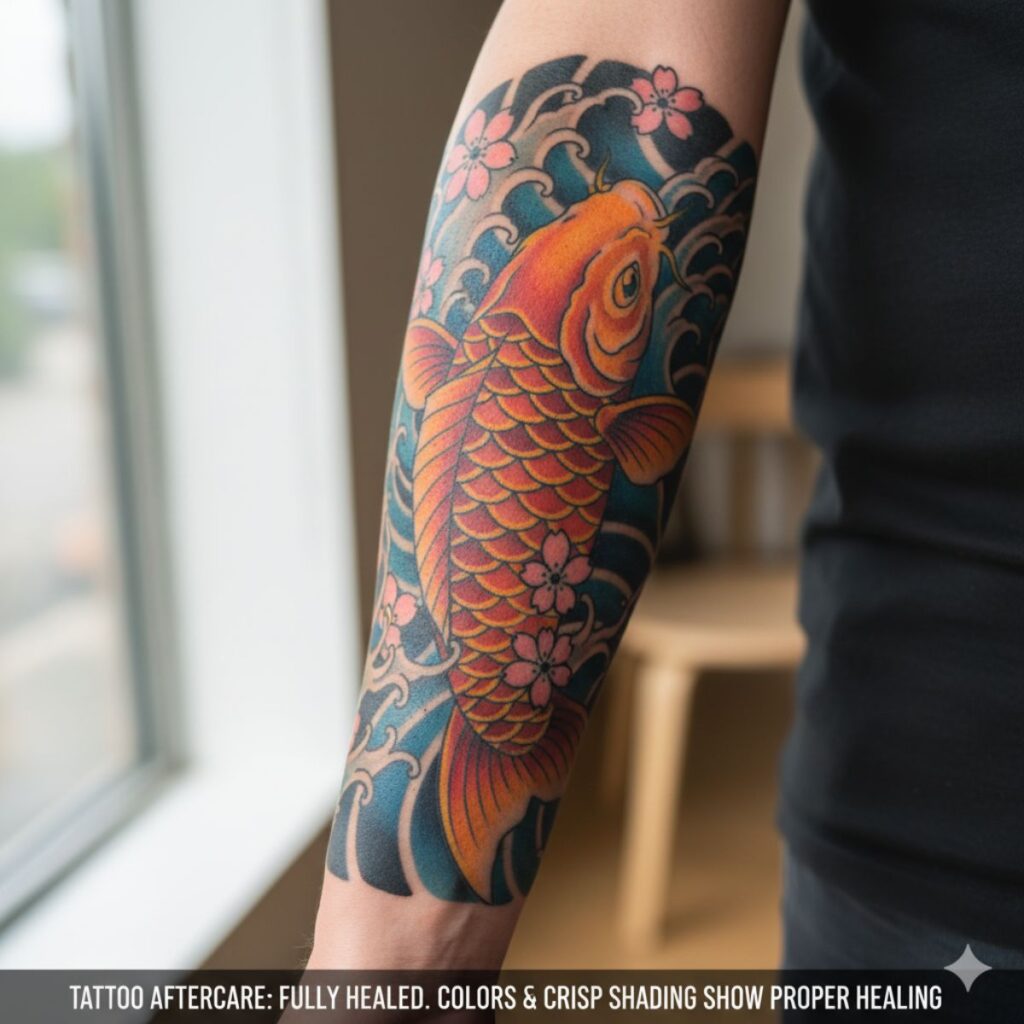
Color takes longer. Colored inks contain heavier molecular structures that require more processing. Expect 3 to 4 weeks for surface healing. The inflammation phase persists longer, producing more swelling and redness than linework. Shading involves repeated needle passes that disturb more tissue overall. Rushing aftercare on color pieces frequently creates patchy areas that need costly touch-up sessions.
Large, detailed, or sleeve tattoos
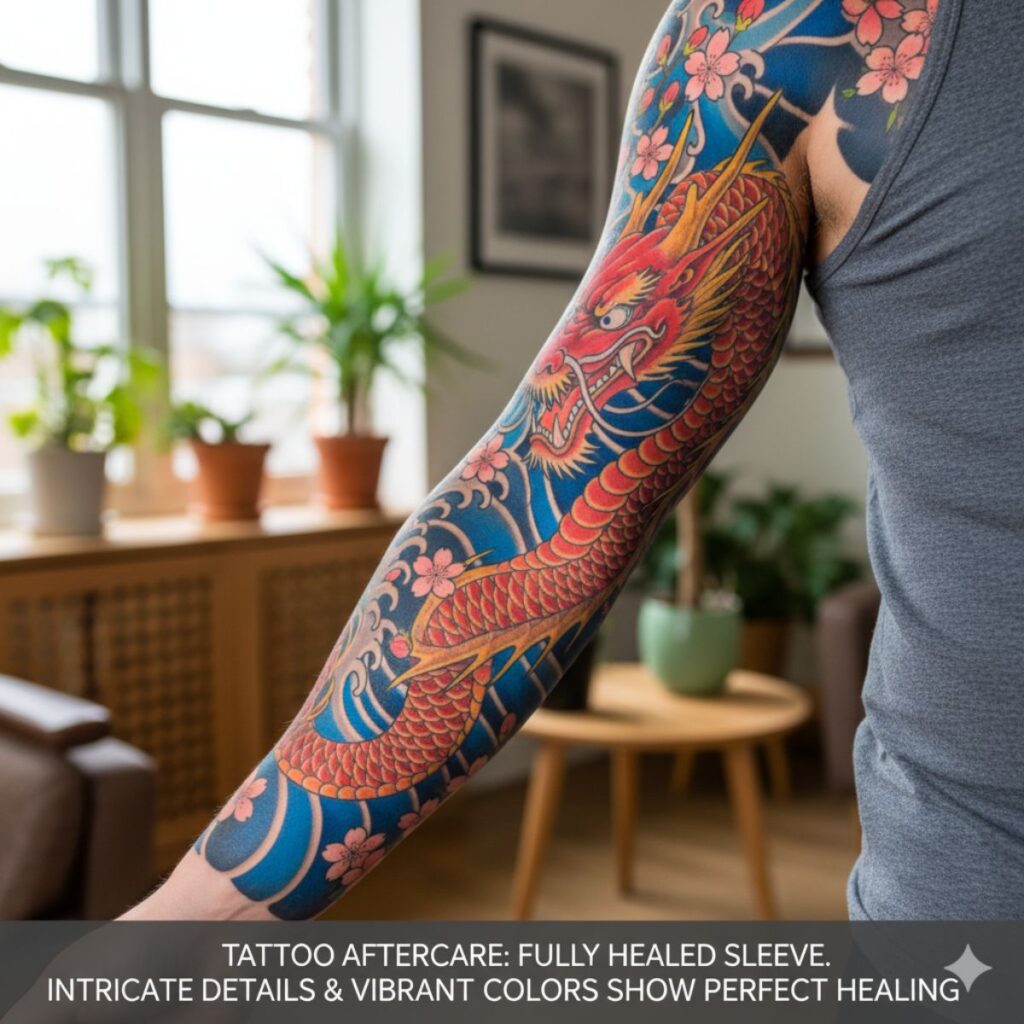
Large pieces can take 4 to 6 weeks for surface recovery and 4 to 6 months for complete healing. Sleeves involve substantial skin trauma across a wide area. Each new session restarts the healing clock for that section, so different parts of a sleeve heal at different rates simultaneously.
Placement matters enormously here. Joints and extremities- hands, feet, elbows, knees- consistently heal slowest. Reduced blood flow and constant movement both work against you. A hand tattoo can take twice as long to heal as the same design on your shoulder.
FAQ
Can you shower with a new tattoo?
Yes, showering with a new tattoo is safe and necessary. Remove bandages after 2-4 hours per tattoo artist instructions, then gently cleanse with lukewarm water. Avoid direct spray pressure initially—let water cascade over the area instead. Antibacterial wash prevents infection while removing plasma oozing residue. Pat dry thoroughly; lingering moisture encourages bacterial growth.
Why does my tattoo look faded while healing?
New skin cells forming above the ink create a milky, opaque layer that makes everything look washed out. Black can look grayish-blue. Vivid colors look muted. This is temporary. Once peeling completes, your tattoo’s actual appearance comes back. It’s normal and doesn’t mean your artist made a mistake.
How long does itchiness last?
The itch typically peaks between days 5 and 10. It signals active skin repair as fresh cells replace damaged tissue. Resist scratching. Apply lotion or pat gently. If the itch worsens rather than improving after day 10, or if it comes with heat, redness, and swelling, that’s a potential infection sign worth a doctor’s look.
When can I apply sunscreen on a new tattoo?
Not until surface healing is complete, usually 3 to 4 weeks in. Before that, keep the tattoo covered with clothing instead. After surface healing, SPF 50 or higher every time you’re in direct sun. This becomes a permanent part of caring for the tattoo.
Final Thought
Every body heals differently, so use this timeline as a general guide rather than a guarantee. If your tattoo isn’t healing the way you’d expect, or you notice signs of infection, check in with your tattoo artist or a dermatologist rather than guessing it out.
The visible stages- the redness, the peeling, the itch- those resolve in two to four weeks. The deeper layers keep working for another two months after that. Treat your tattoo carefully through both phases.
Follow the aftercare steps consistently. Don’t pick, don’t soak, don’t expose it to the sun. Do it right, and your tattoo looks exactly how it did leaving the shop, for decades.
If you’re interested in Goth Hair Color Ideas, be sure to check out our 17 Trending Goth Hair Color Ideas to Transform Your Look Instantly to explore more unique and dark options!
1 thought on “Tattoo Healing Timeline: How Long Does a Tattoo Take to Heal & Proper Aftercare”