

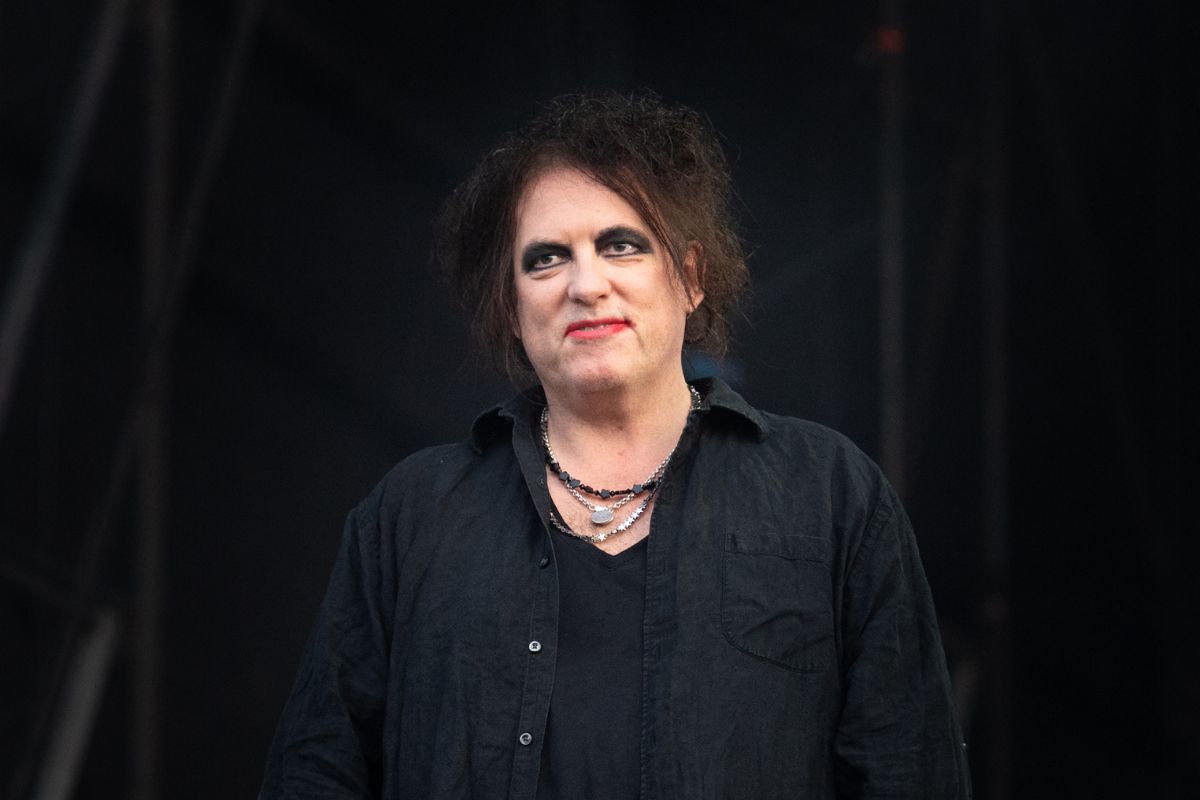
Robert Smith’s influence on gothic culture is both profound and enduring, shaping generations far beyond the boundaries of mainstream music. As the unmistakable frontman of The Cure, Smith crafted a sound and image that defined gothic rock while remaining emotionally accessible. His fusion of melancholic lyricism, ethereal melodies, and introspective themes helped bridge post-punk experimentation with deeply personal storytelling. Equally iconic is his visual identity—disheveled hair, smeared lipstick, and shadowed eyes—which became a universal symbol of dark aesthetics. Through decades of evolution, Robert Smith’s legacy continues to echo across fashion, subculture, and alternative music worldwide.

Picture this: Rock & Roll Hall of Fame, 2024. Among polished pop stars stands Robert Smith. Wild black hair reaches skyward. Crimson lipstick smudges across his face. Oversized black clothing drapes his frame. Four decades haven’t dimmed his impact. The Robert Smith goth fashion phenomenon still captivates millions. His disheveled elegance birthed an entire aesthetic movement. From underground clubs to haute couture runways, The Cure goth fashion transformed how we express darkness beautifully.
The Birth of an Icon: Robert Smith’s Signature Look in the 1980s
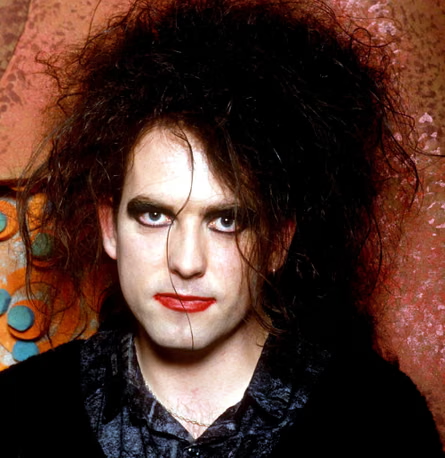
Robert Smith young appearances in 1978 showed a different person entirely. Short hair, simple attire, post-punk simplicity defined early Cure performances. Then 1982’s Pornography album changed everything. The post-punk goth aesthetic evolved into something darker, more theatrical. Smith embraced teased goth hair, smudged eyeliner goth look, and oversized black sweaters that became his armor. This wasn’t careful styling. This was emotional honesty made visible.
The Cure defined goth fashion through three revolutionary pillars. First came the messy black hair aesthetic reaching impossible heights through backcombing. Second arrived the signature Robert Smith makeup with pale skin and dark makeup creating ghostly drama. Third was the layered gothic clothing mixing thrift finds with expensive pieces. Unlike glam rock’s precision or New Romantic frills, Smith’s 80s goth fashion influence embraced beautiful disaster. His look screamed authenticity over manufactured perfection.
From Post-Punk to Gothic Pioneer
Early Cure days featured stripped-down simplicity matching their minimalist sound. But by 1982’s Pornography sessions, something shifted dramatically. Financial struggles forced thrift store shopping. Smith discovered vintage goth fashion by necessity, not choice. The Batcave nightclub in London showcased this emerging goth subculture history. Bauhaus and Siouxsie Sioux influenced Smith’s transformation. Yet he created something uniquely accessible. His DIY goth fashion required zero professional help. Anyone with hairspray and eyeliner could participate.
The Iconic Trifecta: Hair, Eyes, and Wardrobe
Smith’s teased goth hair defied gravity and convention. He backcombed for hours creating voluminous chaos. Household products like Aqua Net achieved what salons couldn’t. This androgynous goth beauty challenged 1980s masculine standards completely. His eyes told emotional stories through smudged eyeliner goth look application. Red lipstick applied then deliberately ruined suggested vulnerability. The monochrome goth outfits featured intentional distressed fabrics in goth fashion. Oversized cardigans hung like protective shells. Every element worked synergistically creating unforgettable visual poetry.
Deconstructing The Look: Hair, Makeup, and Clothing Elements

Breaking down Robert Smith’s influence on goth culture requires examining each component separately. His genius lay in accessibility and authenticity. Professional stylists weren’t needed. Expensive products weren’t required. The traditional goth style he pioneered democratized underground fashion. Teenagers in American suburbs could replicate London club looks. This goth music fashion crossover proved revolutionary for subcultural identity formation.
How The Cure influenced goth fashion extends beyond surface aesthetics. Smith normalized androgynous goth beauty decades before mainstream acceptance. His gender-fluid presentation gave permission to millions. The dark alternative fashion he embodied wasn’t costume or character. This was genuine self-expression without apology. Each element—hair, makeup, wardrobe—challenged societal expectations while remaining surprisingly achievable.
The Hair Revolution
Robert Smith hair became instantly recognizable worldwide. The backcombing technique created impossible volume and controlled chaos. He challenged masculine grooming conventions completely. Short, neat haircuts dominated 1980s male fashion. Smith’s wild mane rejected those standards entirely. Achieving the look required patience and hairspray. Tease sections backward from ends to roots. Build volume gradually through multiple layers. The result appeared effortlessly disheveled yet required dedicated effort.
The Makeup Manifesto
Signature Robert Smith makeup centered on deliberate imperfection. Crimson lipstick applied generously then smudged suggested emotional vulnerability. Heavy kohl eyeliner extended beyond conventional boundaries. The smudged eyeliner goth look appeared accidentally perfect. Smith normalized androgynous goth beauty in hostile cultural climates. Drugstore products worked perfectly for replication. No expensive cosmetics were necessary. The pale skin and dark makeup contrast created dramatic visual impact amplified under stage lighting.
The Wardrobe Rebellion
Oversized black sweaters became Smith’s signature garment. Layered gothic clothing created mysterious depth and visual interest. Black-on-black monochrome goth outfits rejected colorful 80s fashion trends. Thrift stores provided most wardrobe pieces affordably. Distressed fabrics in goth fashion suggested authenticity over pristine newness. Romantic and melancholic silhouettes prioritized comfort over tailored restriction. This DIY goth fashion approach proved economically and artistically liberating.
The Cure’s Influence on 1980s Goth Fashion Movement
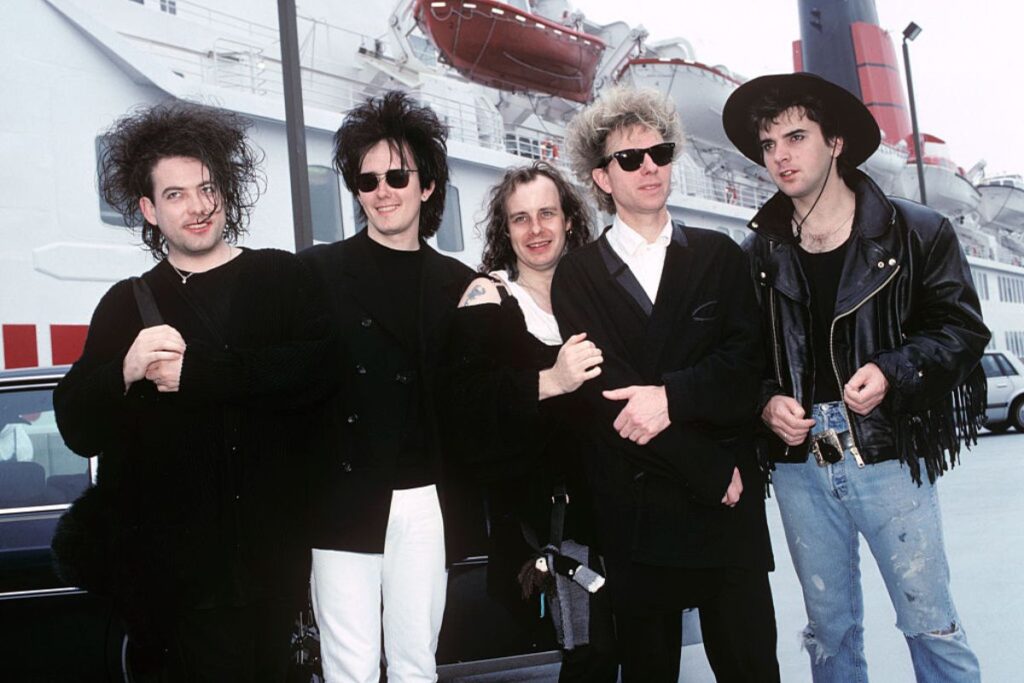
Goth fashion inspired by musicians exploded during The Cure’s commercial peak. Fans didn’t just listen—they embodied the aesthetic completely. The Cure goth fashion provided visual language for emotional outsiders. The goth subculture history shows Smith’s democratizing influence clearly. Unlike punk’s aggressive edge or new wave’s polish, romantic goth fashion embraced beautiful melancholy. Iconic goth frontmen like Peter Murphy and Andrew Eldritch shared stages. Yet Smith’s accessibility made him uniquely influential.
The relationship between goth music and fashion proved inseparable during this era. Club culture in New York, Los Angeles, and Chicago adopted 1980s alternative fashion wholesale. Gender fluidity through androgynous goth beauty created safe spaces for experimentation. MTV exposure brought gothic rock fashion into American living rooms. Magazine features in NME and Melody Maker legitimized classic goth icons. Regional variations emerged, but Smith’s influence remained foundational. His post-punk goth aesthetic united diverse communities through shared visual identity.
From Underground to Mainstream: Robert Smith’s Fashion Legacy Today

Modern goth fashion inspired by the 80s dominates contemporary alternative scenes. Designers like Hedi Slimane and Rick Owens cite The Cure’s influence on goth culture openly. 80s goth trends still popular appear on Paris and Milan runways regularly. The revival of traditional goth style intensified through social media platforms. TikTok tutorials teaching signature Robert Smith makeup accumulate millions of views. Gen Z goth fashion influence proves Smith’s timeless appeal transcends generations.
Robert Smith 80s aesthetics resurface cyclically through alternative fashion resurgence movements. His 2024 Rock Hall induction reignited mainstream interest dramatically. Celebrities like Billie Eilish embrace dark alternative fashion Smith pioneered. Gothic fashion in contemporary pop culture owes immeasurable debt to his vision. Music streaming introduces teenagers to goth music fashion crossover continuously. Enduring goth aesthetics prove certain styles never truly disappear. They hibernate, then return powerfully relevant.
The Psychology Behind the Aesthetic: Why Robert Smith’s Style Resonates
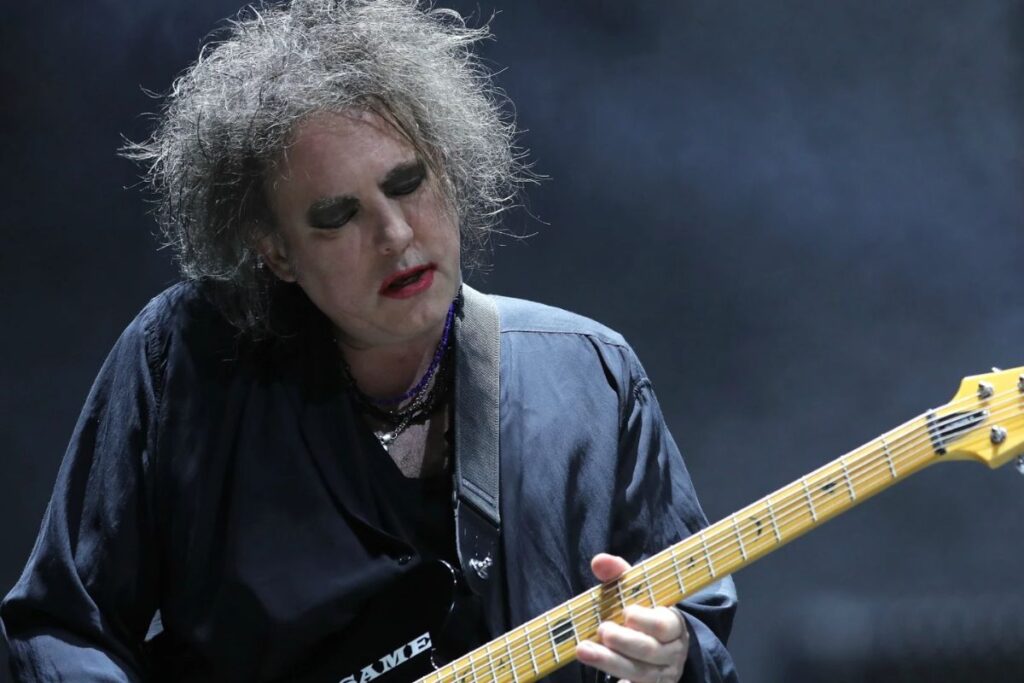
Why is Robert Smith considered a goth fashion icon involves psychological depth. His appearance rejected manufactured perfection completely. Romantic and melancholic silhouettes expressed genuine emotional vulnerability publicly. The deliberately imperfect smudged eyeliner goth look signaled authentic humanity. In image-obsessed 1980s culture, this proved radically countercultural. Robert Smith’s influence on goth culture provided identity anchors for millions of outsiders.
Why goth fashion never fades connects to universal human experiences. Melancholy, alienation, romantic longing transcend generational boundaries. Smith’s androgynous goth beauty offered gender expression freedom decades early. His DIY goth fashion approach proved economically accessible always. Timeless gothic fashion trends endure because emotional honesty never expires. Cyclical fashion trends return to Smith’s aesthetic repeatedly. Each generation rediscovers his revolutionary authenticity anew.
How to Channel Robert Smith’s Gothic Style in Modern Fashion

Is Robert Smith’s look still relevant in modern goth fashion absolutely remains affirmative. Contemporary adaptation requires balancing authenticity with current sensibilities. Modern goth fashion inspired by the 80s incorporates updated fabrics and fits. The core philosophy persists: embrace beautiful imperfection. Traditional goth style elements translate surprisingly well into professional settings. Subtle nods work where full commitment isn’t possible.
80s goth fashion influence appears in unexpected contemporary contexts. Workplace-appropriate versions substitute structured black pieces for oversized black sweaters. Layered gothic clothing creates visual interest without dramatic extremity. Modern cosmetics improve signature Robert Smith makeup durability significantly. Setting sprays prevent smudging until deliberately applied. DIY goth fashion remains budget-friendly through thrift shopping and creativity.
Modern Interpretation Tips
Adapting Robert Smith goth style for everyday life requires strategic selection. Start with monochrome goth outfits in quality fabrics. Mix vintage goth fashion finds with contemporary basics. Retailers like Killstar, Dolls Kill, and even H&M carry accessible pieces. Thrift stores remain treasure troves for authentic distressed fabrics in goth fashion. Balance dramatic elements with restrained pieces. Full commitment works for concerts and events beautifully.
Makeup Tutorial Basics
Robert Smith makeup tutorial begins with pale skin and dark makeup foundation. Apply primer for longevity and smooth canvas. Use full-coverage foundation one shade lighter than natural tone. Set with translucent powder generously. Line eyes with black kohl extending beyond outer corners. Smudge deliberately using fingertips or smudge brushes. Apply crimson lipstick directly from tube messily. Blot once, reapply, then smudge intentionally. The smudged eyeliner goth look improves with practice and confidence.
Styling for Different Occasions
Robert Smith outfits 80s style translates across various settings surprisingly well. Everyday wearable versions feature layered gothic clothing in quality materials. Professional settings accommodate dark alternative fashion through structured silhouettes. Festivals and concerts invite full traditional goth style commitment. Substitute theatrical pieces gradually into existing wardrobes. Build versatility through strategic monochrome goth outfits anchoring collections. Seasonal adaptations maintain core aesthetic through fabric weight variations.
Conclusion: The Eternal Influence of Robert Smith Goth Fashion
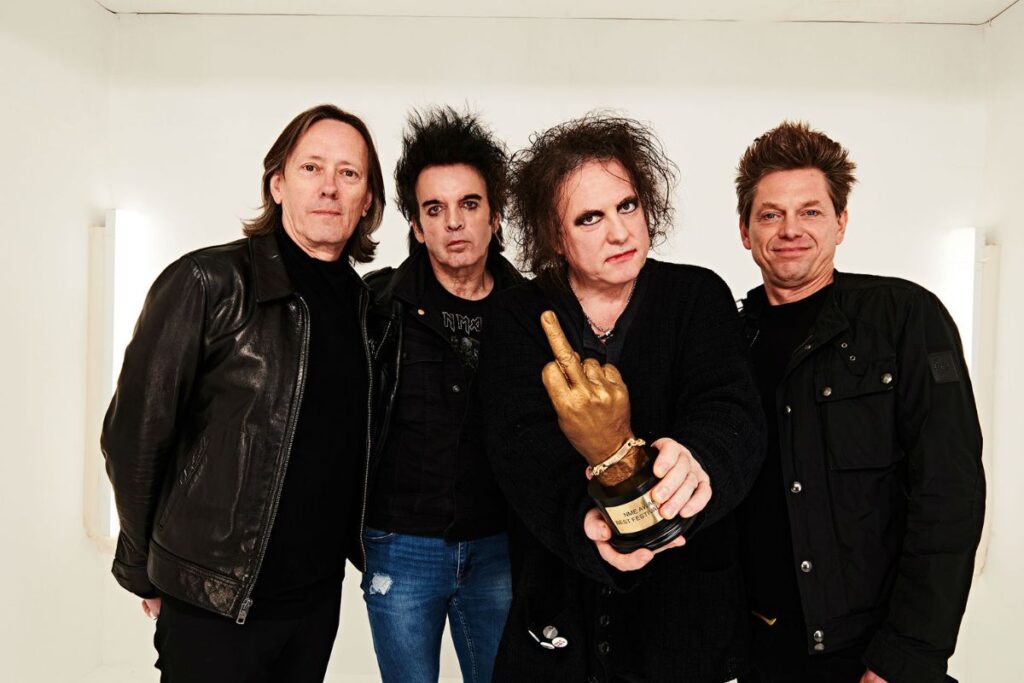
Robert Smith’s influence on goth culture spans over four decades powerfully. His post-punk goth aesthetic transformed into permanent cultural touchstone. How The Cure defined goth fashion remains studied in academic fashion programs. The relationship between goth music and fashion he pioneered continues inspiring designers globally. Why does 80s goth fashion still trend today answers itself through timeless emotional honesty.
Gothic musician fashion rarely achieves Smith’s enduring relevance. His DIY goth fashion philosophy ensures accessibility for future generations. Alternative fashion evolution repeatedly circles back to his revolutionary aesthetic. The enduring goth aesthetics he created transcend temporary trends completely. What defines traditional goth style inevitably references his visual vocabulary. Share your Robert Smith goth fashion journey. Comment with favorite looks below. Connect with fellow enthusiasts celebrating beautiful darkness forever.
FAQ’s: Robert Smith Goth Fashion Questions Answered
Q: Why is Robert Smith considered a goth fashion icon?
Smith pioneered accessible dark alternative fashion requiring zero professional styling. His signature Robert Smith makeup and teased goth hair democratized underground aesthetics. Unlike manufactured pop images, his appearance expressed genuine emotional vulnerability. The Cure goth fashion provided visual identity for millions of outsiders. His androgynous goth beauty challenged gender conventions decades before mainstream acceptance.
Q: How did The Cure influence goth fashion?
The Cure’s influence on goth culture transformed underground style into recognizable movement. Smith’s DIY goth fashion approach made replication economically accessible. Fans adopted oversized black sweaters, smudged eyeliner goth look, and messy black hair aesthetic globally. The band’s MTV exposure brought gothic rock fashion into mainstream consciousness. Their romantic goth fashion balanced darkness with emotional depth uniquely.
Q: What defines traditional goth style?
Traditional goth style emphasizes monochrome goth outfits, dramatic makeup, and romantic and melancholic silhouettes. Key elements include teased goth hair, pale skin and dark makeup, and layered gothic clothing. Distressed fabrics in goth fashion suggest authentic wear over pristine perfection. The aesthetic prioritizes emotional expression over fashion conformity. Vintage goth fashion often incorporates Victorian and Edwardian influences alongside punk elements.
Q: Why does 80s goth fashion still trend today?
80s goth trends still popular because emotional authenticity transcends generational boundaries. Timeless gothic fashion trends resurface through cyclical fashion trends patterns. Gen Z goth fashion influence proves younger audiences crave alternative expression constantly. Social media platforms amplify revival of traditional goth style dramatically. Robert Smith goth fashion remains relevant because genuine self-expression never expires.
Q: Is Robert Smith’s look still relevant in modern goth fashion?
Absolutely. Modern goth fashion inspired by the 80s dominates alternative scenes currently. Contemporary designers reference Robert Smith 80s aesthetics consistently. TikTok tutorials demonstrate signature Robert Smith makeup to millions monthly. His DIY goth fashion philosophy aligns perfectly with sustainable fashion movements. Alternative fashion resurgence repeatedly validates his timeless influence. Enduring goth aesthetics he created remain foundational to subculture identity.
If you’re interested in Jenna Ortega’s Goth, be sure to check out our How Jenna Ortega Redefined Goth Fashion to explore more unique and dark options!

My name is Amanda Lee, and I’m passionate about the gothic lifestyle. I created GothicMood to share my love for dark fashion, beauty, and culture. Here I recommend gothic-inspired products, style tips, and ideas to help others embrace and express their unique gothic identity.