Affiliate disclosure: This post contains affiliate links. If you buy through them, Gothic Mood earns a small commission at no extra cost to you.
You do not need a whole weekend for a proper scare. The best short ghost stories take less time than an episode of your favorite show, and they leave a colder feeling behind.
I gathered a list of 10 gothic classics from the 1850s to the 1930s that might interest you, dear reader. Some will make you laugh. Some will make you check the hallway. All of them work in one sitting!
Five of the ten first ran in Christmas issues of magazines, and M.R. James first read his aloud at a Christmas gathering. Victorians treated ghost stories as winter entertainment. This list leans on writers you may not have met yet.
Gothic Classics Picks For You
Read the last column and choose the line that sounds like tonight.
*Quick means about half an hour.
*Medium means under an hour.
*Longer takes a little more.
| Story | Mood | Length | Pick it if you want |
| The Canterville Ghost | Funny | Longer | A ghost story that makes you laugh first |
| The Monkey’s Paw | Cursed | Quick | A be-careful-what-you-wish-for chill |
| The Phantom Coach | Snowy | Medium | Isolation and a late twist |
| The Old Nurse’s Story | Sad | Medium | A haunted house with family secrets |
| The Signal-Man | Eerie | Quick | Clean, tight dread |
| Oh, Whistle, and I’ll Come to You, My Lad | Unnerving | Medium | A skeptic who loses the argument |
| The Judge’s House | Grim | Medium | Rats, a hanging judge and a Dracula author |
| Man-Size in Marble | Legendary | Quick | A local legend and a dare |
| The Upper Berth | Claustrophobic | Medium | A ship at night |
| Pomegranate Seed | Modern | Medium | Ghost drama inside a marriage |
3 Quick Reads Picks
These three pull you in within a page. Read one before bed and the rest can wait.
“I was gifted these three books during Christmas gift giving day! I have lots of feelings reading them. It is truly a quick read, but interesting ones… I recommend it to all readers that wants to read classics in a light mood.” – Ophelia
The Canterville Ghost by Oscar Wilde (1887)
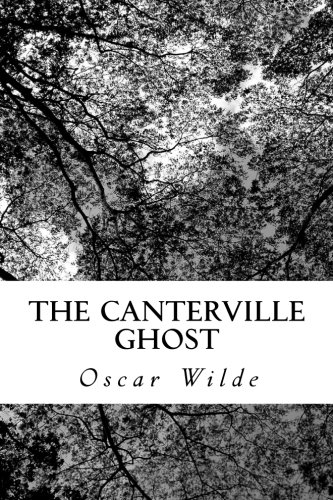
Synopsis: An American family buys an English manor and refuses to fear its ghost. That is the whole joke, and Wilde milks it.
The Otis family shrugs off the warnings. When the ghost rattles his chains, Mr. Otis offers him oil. The twins prank him. Sir Simon has terrified households for centuries. Now he loses his dignity to a pair of pranksters.
It first appeared in The Court and Society Review in 1887, and it was the first of Wilde’s stories to see print. Under the jokes, Sir Simon and the Otis daughter Virginia build a surprisingly tender friendship.
Pick it if you want to laugh first and feel something second. It is also have a movie adaption in 1996, featuring Patrick Stewart and Neve Campbell.
The Monkey’s Paw by W.W. Jacobs (1902)
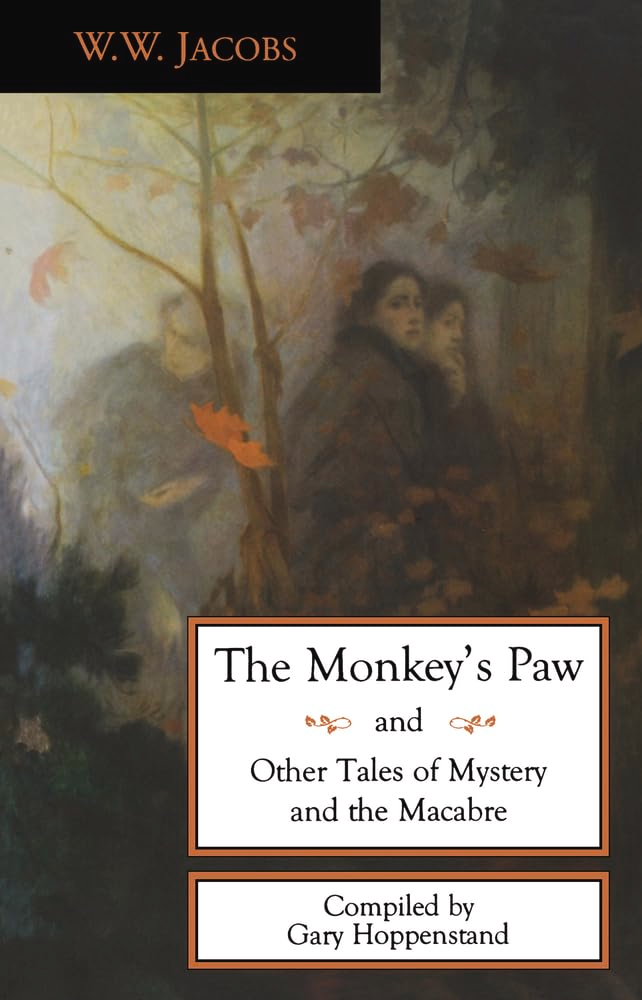
Synopsis: A visitor shows the White family a mummified monkey’s paw. He says a spell gives its owner three wishes, and he begs them not to use it. They use it.
Mr. White asks for 200 pounds to pay off the house. The family laughs it off. Then the day gets worse.
The story first appeared in Harper’s Monthly in September 1902, and Jacobs reprinted it later that year in The Lady of the Barge. It sits between a ghost story and a curse tale. The dread at the door is pure haunting.
Pick it if you like cautionary tales that finish fast.
The Phantom Coach by Amelia B. Edwards (1864)
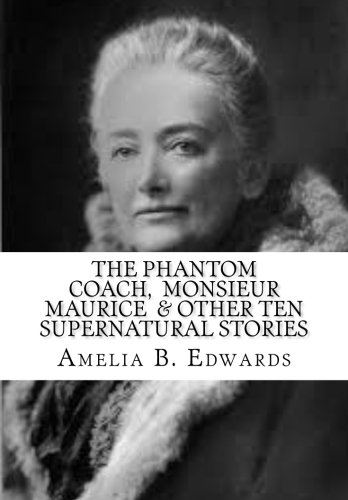
Synopsis: A barrister loses his way on the snowy moors after a day of grouse shooting. A coach rolls out of the storm, and he climbs in. Then he takes a closer look at the other passengers.
Edwards, who also made her name as an Egyptologist, first ran it in the 1864 Christmas number of Dickens’s magazine All the Year Round. It appeared without her name.
Pick it if you want snow, isolation and a twist you see coming one second too late.
Slow Dread Gothic Reads For Quiet Nights
These three take their time. Dim the lights and give them your full attention.
The Old Nurse’s Story by Elizabeth Gaskell (1852)
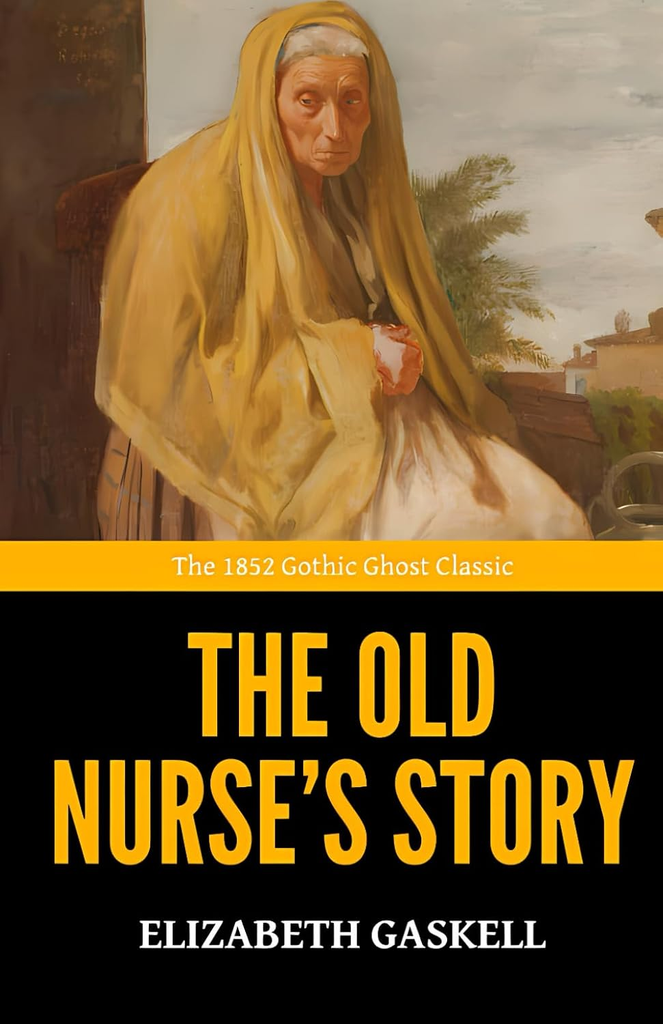
An old nurse tells the children she once raised about a winter at Furnivall Manor. It is a remote, stately house, and she and young Rosamond share it with elderly relatives. Strange sounds drift through the halls. A small ghost keeps trying to get in from the cold.
Dickens invited Gaskell to write for the 1852 Christmas number of his magazine Household Words. It was one of her earliest stories. The real horror lives in family pride and old secrets. The ghosts are just the bill coming due.
Pick it if you like a slow burn with a sad heart.
The Signal-Man by Charles Dickens (1866)
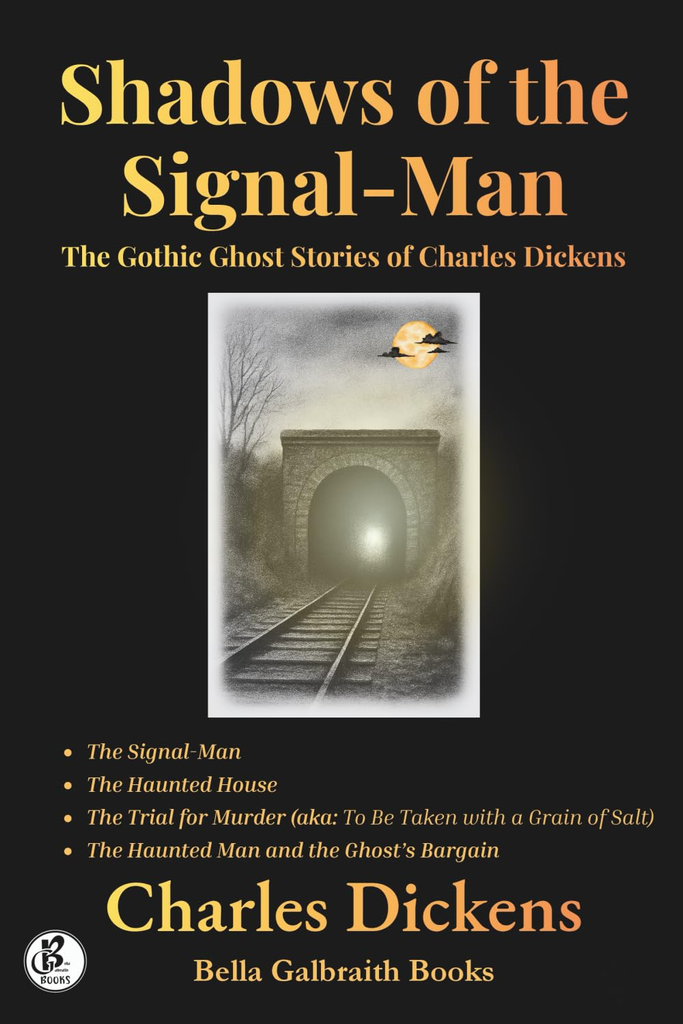
A railway signalman tells a visitor that a spectre haunts him. It appears near a tunnel mouth, and a tragedy follows every time. The visitor blames nerves.
Dickens ran it in Mugby Junction, the 1866 Christmas number of All the Year Round. He wrote it a year after he survived the Staplehurst rail crash, and critics often connect the two. The setting does the heavy lifting: a cutting, a tunnel, a red light and a bell that only one man hears.
Pick it if you want tight, clean dread in a short read.
Oh, Whistle, and I’ll Come to You, My Lad by M.R. James (1904)
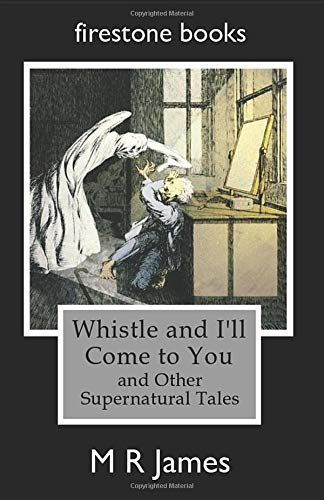
Professor Parkins, a confident skeptic, takes a whistle from the ruins of a Templar preceptory and blows it. His nights get strange fast.
James read his ghost stories aloud to friends at Christmas before he published them. This one appeared in his 1904 collection Ghost Stories of an Antiquary. The title borrows a line from Robert Burns.
James skips the gore. He uses small details and lets your imagination do the rest.
Pick it if you like watching a skeptic lose an argument with the dark.
Gothic Creeps
These three bring more menace. Read them with the lights low and a friend nearby.
“I’ll be honest with you: these ones take a little time. They’re older stories… Language moves slower than what you’re used to. Don’t expect to breeze through them in one sitting. But stick with it, because the creepy payoff is so worth it!” – Ophelia
The Judge’s House by Bram Stoker (1891)
Malcolm Malcolmson, a student, rents a deserted mansion so he can study in peace. The locals beg him not to. He ignores them. Then the rats start. One is enormous, and it watches him.
A judge notorious for harsh sentences once owned the house. Stoker ran the story in Holly Leaves, the Christmas edition of the Illustrated Sporting and Dramatic News, on December 5, 1891. If you love Dracula, this shows the same author working in miniature.
Pick it if you want a haunted house, a grim legend and a rat you will not forget.
Man-Size in Marble by E. Nesbit (1887)
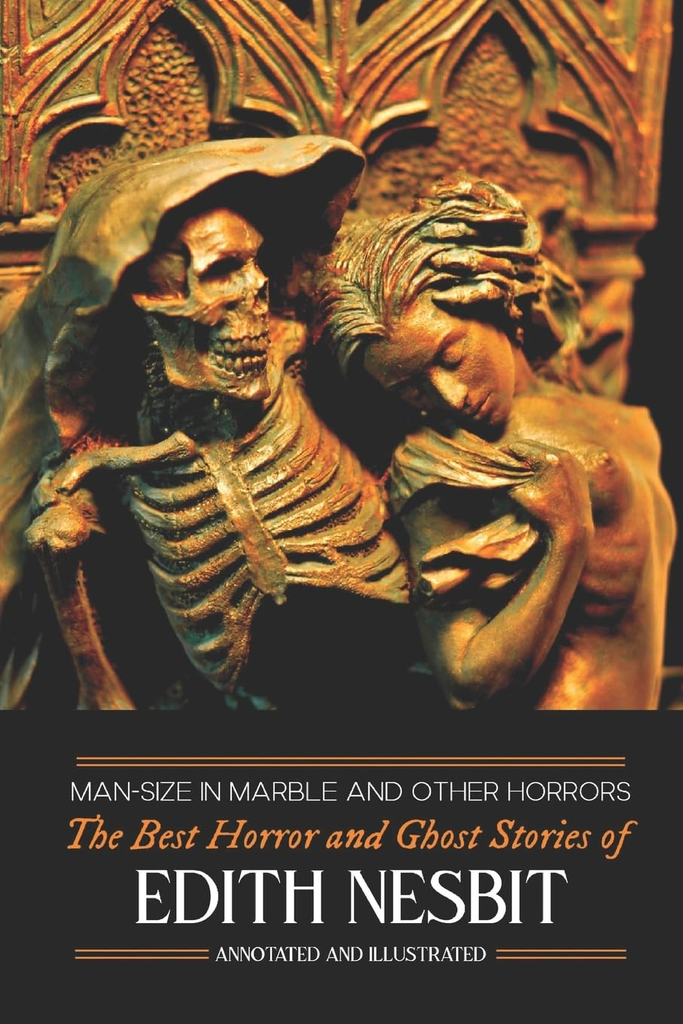
Newlyweds find a perfect cottage. Then their maid announces she must leave before All Saints’ Eve. The local legend says the marble knights in the church come to life that night and walk home.
The practical husband laughs it off. You can guess how that goes.
The story ran in Home Chimes in December 1887 and was Nesbit’s first published fiction. She later collected it in Grim Tales. A real tomb in St Eanswith’s Church in Brenzett inspired it. Critic Nick Freeman describes tales like this as short, startling and ideal for reading at one sitting or aloud.
Pick it if you want a legend, a dare and zero patience for the husband.
The Upper Berth by F. Marion Crawford (1880s)
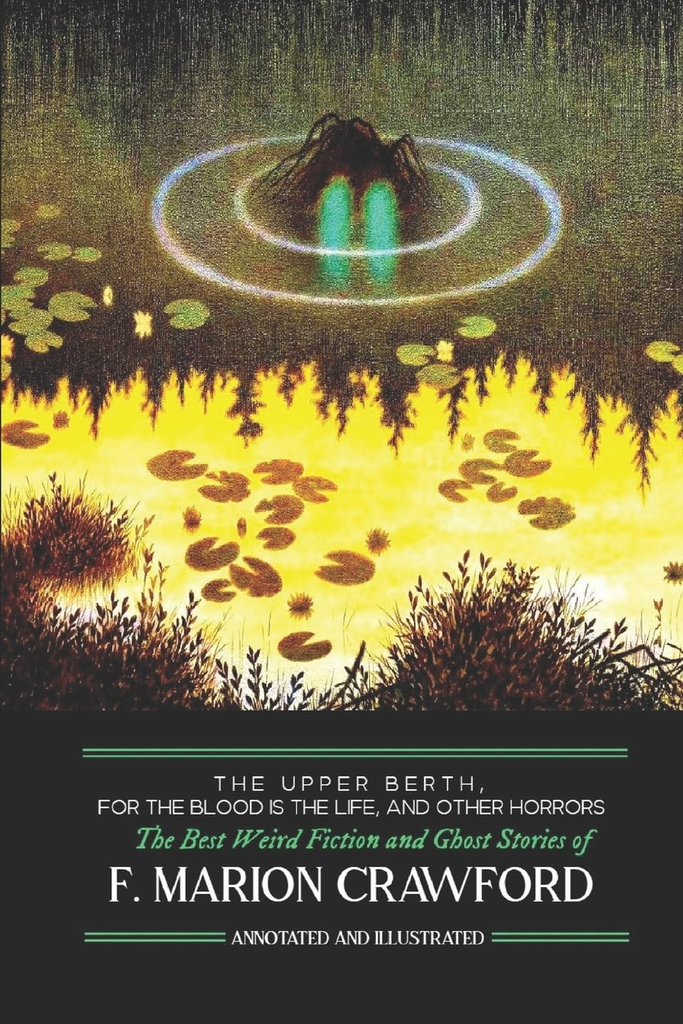
A passenger on the steamship Kamtschatka books Stateroom 105, and the steward looks surprised. He takes the lower berth. Something takes the upper one.
Crawford, an American novelist, first ran it in Unwin’s Christmas Annual in the mid-1880s. M.R. James himself said it stands high among ghost stories in general. A moving ship, a locked cabin and a long night make the setting feel airtight.
Pick it if you like claustrophobia and the sound of the sea.
One Story That Feels Modern
Pomegranate Seed by Edith Wharton (1931)
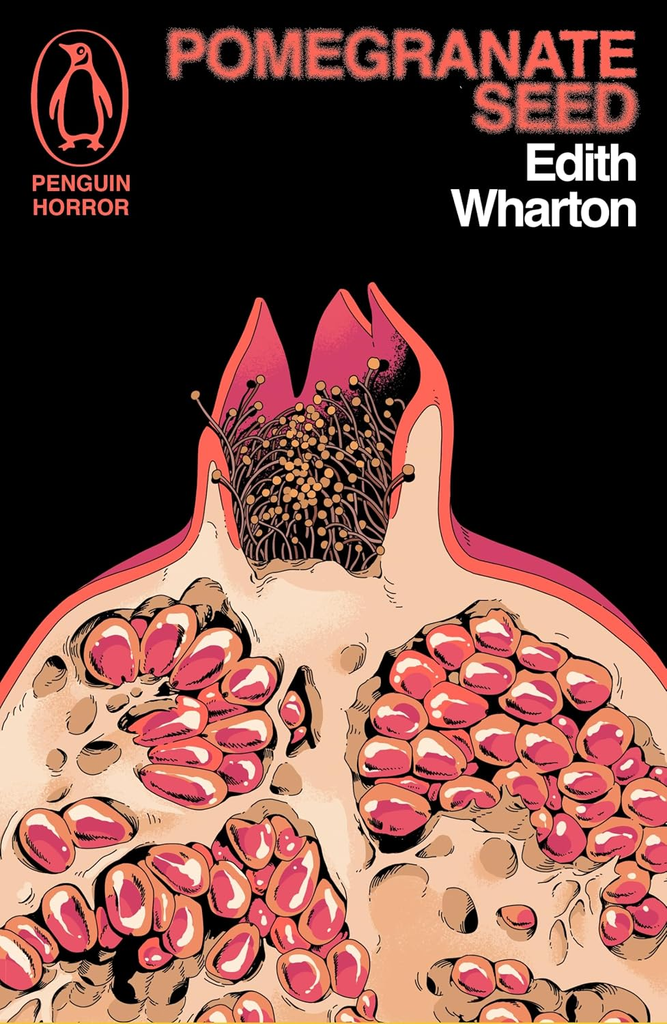
Charlotte Ashby married Kenneth, a widower, a year ago. Letters keep arriving for him in square gray envelopes. He grows pale each time. Charlotte suspects an old flame. The truth is worse.
Wharton set the story in New York, and it is her only urban ghost story. The title nods to the myth of Persephone, and critics still argue about who eats the seed. The story first appeared in 1931, and Wharton collected it in Ghosts in 1937.
Pick it if you want a ghost story about living in the shadow of a partner’s first love. It feels the most modern of the ten.
Host a Ghost Story Night!
Victorians treated ghost stories as a group activity. M.R. James read his aloud to friends on Christmas Eve. You can borrow the idea in four steps.
- Ask each guest to pick one story. Choose quick ones like The Monkey’s Paw, The Signal-Man or Man-Size in Marble.
- Turn off the overhead lights. Light the room with flameless candles.
- Let one person read each story aloud. Hand over the book when the story ends.
- Sit in silence for one minute after the last story.
The habit goes back further than James. In 1816, Lord Byron hosted a ghost story contest on the shores of Lake Geneva, and Frankenstein grew out of it.
Our post on Victorian mourning superstitions covers the mirrors, clocks and séances behind the era’s spooky streak.
Want a screen version afterward? Our list of gothic horror movies for Halloween and any occasions, includes 15 top horror films that will be enjoyed by anyone.
FAQ
Which short ghost story should I read first?
The Canterville Ghost if you want to laugh, and The Phantom Coach if you want a chill. Both give you a full story without a big time commitment.
Can I read these for free?
Most of them, yes. Project Gutenberg hosts many of the older titles. Wharton’s 1931 story is the exception, so look for it in a library copy or in her Ghosts collection.
Why do so many classic ghost stories first appear at Christmas?
Magazine editors filled their Christmas numbers with them. Dickens’s weeklies Household Words and All the Year Round ran several stories on this list.
Are these stories actually scary?
They range from funny to genuinely unnerving. Wilde makes you laugh. Stoker and Nesbit raise your pulse. James and Gaskell build slow dread that lingers after you close the book.
Your next step
Pick one story tonight. Start with The Monkey’s Paw if you have half an hour, or The Canterville Ghost if you need a laugh. Then tell us in the comments which one made the hair on your neck stand up, and send the list to the friend who says they do not believe in ghosts.